Discover Swansea: Culture, History, and Coastal Charm
Nestled on the southern coast of Wales, Swansea is a city where industrial heritage meets vibrant culture. With its sweeping bay, rich maritime history, and thriving arts scene, Swansea offers more than just postcard-perfect views. The city blends tradition with modernity, creating a unique identity that continues to evolve.
The Historical Foundations of Swansea
Swansea’s story begins long before its current reputation as a cultural hub. The area was established as a Viking trading post in the 10th century, long before the Normans built Swansea Castle in the 12th century. The castle, though now a ruin, stands as a silent witness to centuries of conflict, trade, and civic development.
The Industrial Revolution transformed Swansea into a global leader in copper smelting. By the 18th and 19th centuries, the city earned the nickname “Copperopolis” due to its dominance in metal production. This era left an indelible mark on Swansea’s landscape, with industrial architecture still visible in parts of the city today.
Swansea’s industrial past is not just a historical footnote—it shaped the city’s character. The docks, once bustling with copper-laden ships, now host leisure boats and cultural events. The legacy of innovation and resilience continues to influence Swansea’s economic and social fabric.
Cultural Landmarks and Artistic Influence
Swansea’s cultural scene is as diverse as its history. The city is home to the National Waterfront Museum, which offers a deep dive into Wales’ industrial and social history. The museum’s interactive exhibits and collections provide visitors with a tangible connection to the past.
For those interested in the arts, the Grand Theatre has been a cornerstone of Swansea’s cultural life since 1897. It hosts everything from West End productions to local performances, reflecting the city’s love for the performing arts. Meanwhile, the Glynn Vivian Art Gallery showcases an impressive collection of paintings, sculptures, and ceramics, highlighting both Welsh and international artists.
The Dylan Thomas Centre is another landmark that draws literary enthusiasts. Dedicated to the life and work of Swansea’s most famous son, the poet Dylan Thomas, this center celebrates his contributions to literature and popular culture. Swansea’s literary heritage extends beyond Thomas, with contemporary writers and poets continuing to emerge from the city.
Key Cultural Institutions in Swansea
- National Waterfront Museum: Explores Wales’ industrial and social history through interactive exhibits.
- Grand Theatre: A historic venue hosting West End shows, musicals, and local performances.
- Glynn Vivian Art Gallery: Features an eclectic mix of Welsh and international artworks.
- Dylan Thomas Centre: A tribute to the renowned poet, offering exhibitions and literary events.
Swansea’s Natural Beauty and Outdoor Appeal
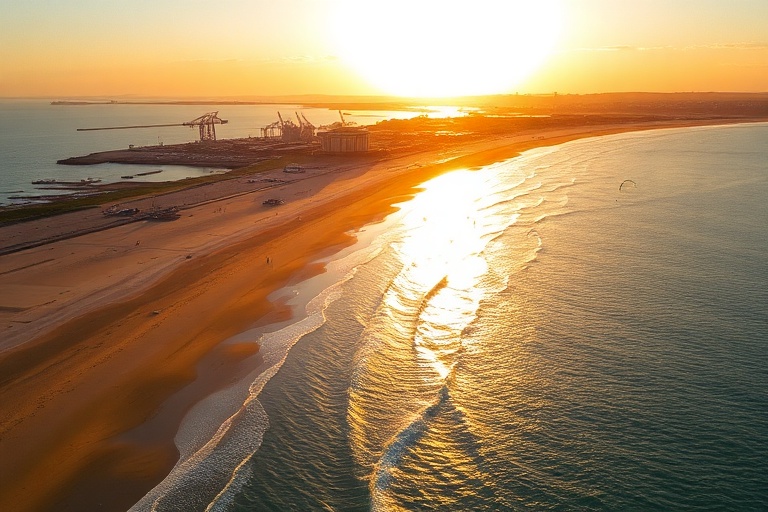
Beyond its urban attractions, Swansea is defined by its natural landscapes. The city’s coastline stretches for miles, offering sandy beaches like Swansea Bay and Bracelet Bay. These beaches are not just scenic spots—they are hubs for water sports, from surfing to paddleboarding. The Gower Peninsula, the UK’s first designated Area of Outstanding Natural Beauty, lies just a short drive from the city center. Its rugged cliffs, limestone caves, and lush woodlands attract hikers, climbers, and nature enthusiasts year-round.
Swansea’s commitment to outdoor recreation is evident in its well-maintained parks and trails. Singleton Park, for example, is a sprawling green space that includes a botanical garden, a lake, and a museum. The park’s serene atmosphere provides a stark contrast to the city’s bustling streets, offering residents and visitors a place to unwind.
The city’s relationship with the sea extends beyond leisure. Swansea’s port remains an active economic driver, facilitating trade and tourism. The regeneration of the SA1 Swansea Waterfront area has further cemented the city’s connection to its maritime roots, with modern apartments, offices, and leisure facilities blending seamlessly with historic docks.
The Future of Swansea: Challenges and Opportunities
Like many coastal cities, Swansea faces challenges in balancing growth with sustainability. The decline of traditional industries has necessitated a shift toward a knowledge-based economy. Initiatives in renewable energy, digital innovation, and higher education are positioning Swansea as a hub for future industries.
The Swansea University Bay Campus, located near the coast, is a prime example of this evolution. The campus, which opened in 2015, focuses on engineering, science, and technology, attracting students and researchers from around the world. Its presence has spurred economic growth and innovation, contributing to Swansea’s reputation as a city of opportunity.
However, challenges remain. Coastal erosion, housing affordability, and the need for infrastructure upgrades are pressing concerns. Yet, Swansea’s resilience and community spirit provide a strong foundation for addressing these issues. Local initiatives, such as the Swansea Bay City Deal, aim to revitalize the region by investing in infrastructure, skills, and technology.
Swansea’s future also hinges on its ability to preserve its cultural and historical identity while embracing change. The city’s diverse population, including a growing number of students and young professionals, brings fresh perspectives and energy. This blend of old and new is what makes Swansea a city of enduring appeal.
Swansea’s Economic and Social Priorities
- Renewable Energy: Developing wind, tidal, and solar projects to capitalize on the region’s natural resources.
- Higher Education: Expanding Swansea University’s research and innovation capabilities to drive economic growth.
- Tourism Enhancement: Promoting Swansea’s cultural and natural attractions to attract visitors and investment.
- Community Development: Addressing housing affordability and infrastructure needs to support a thriving population.
- Environmental Sustainability: Implementing green initiatives to protect Swansea’s coastal and urban ecosystems.
Conclusion: Why Swansea Matters
Swansea is more than a coastal city—it is a testament to resilience, creativity, and adaptability. Its history, from Viking settlements to industrial revolution, has shaped a city that values both tradition and progress. The cultural landmarks, natural beauty, and forward-thinking initiatives make Swansea a compelling destination for residents and visitors alike.
As Swansea continues to evolve, its ability to balance growth with preservation will determine its long-term success. The city’s story is far from over, and its next chapters promise to be as dynamic as its past. For those seeking a place where history, culture, and innovation intersect, Swansea stands as a beacon of possibility.