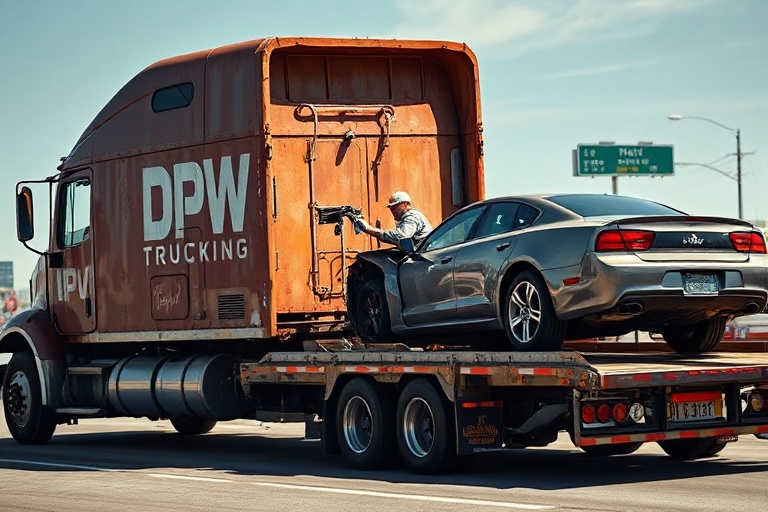
In a recent development that has sent ripples through the towing and logistics sectors, DPW Trucking has found itself at the center of a financial controversy. The company received a $46,000 towing bill for a single incident, a figure that has left industry observers questioning the fairness and transparency of towing service pricing. This case highlights broader issues within the towing industry, including lack of regulation, inconsistent pricing models, and the potential for exploitation in emergency situations.
The Incident Behind the Bill
According to reports, the incident occurred when DPW Trucking’s vehicle was involved in an accident requiring extensive towing and recovery services. The towing company, which responded to the scene, submitted a bill totaling $46,000 for the services rendered. While specific details about the nature of the services have not been fully disclosed, the sheer magnitude of the bill has raised eyebrows.
Industry insiders suggest that such high fees are often justified by towing companies as necessary to cover equipment costs, labor, and the specialized nature of the work. However, critics argue that these charges are disproportionate and lack standardized pricing structures. The absence of clear regulations in many regions allows towing companies to set prices based on perceived value rather than actual costs.
Key Factors Contributing to the Controversy
- Lack of Regulation: Many states and municipalities have minimal oversight of towing fees, leaving consumers and businesses vulnerable to excessive charges.
- Emergency Service Markups: Towing companies often capitalize on the urgency of situations, charging premium rates for after-hours or emergency services.
- Specialized Equipment Costs: Recovery operations, particularly those involving heavy-duty trucks or difficult terrain, can incur high costs that are passed on to clients.
- Lack of Transparency: Clients frequently receive little advance notice of pricing, making it difficult to contest fees until after the service is rendered.
Broader Implications for the Towing Industry
The DPW Trucking incident is not an isolated case. Across the country, businesses and individuals have reported exorbitant towing fees, often for services that seem overpriced relative to the work performed. This trend underscores the need for greater transparency and regulatory oversight in the towing industry.
One potential solution is the implementation of standardized pricing models, similar to those used in other service industries. For example, some states have adopted “tow-in” fees that cap prices for basic towing services, reducing the risk of price gouging. However, these regulations are not universally applied, leaving gaps that companies can exploit.
Another issue is the lack of competition in many towing markets. In some areas, a single towing company may dominate the local market, giving them significant pricing power. This lack of competition can lead to higher fees and reduced incentives for fair pricing.
How Businesses Can Protect Themselves
For companies that rely on towing services, such as trucking fleets, there are steps that can be taken to mitigate the risk of excessive fees. Establishing relationships with reputable towing providers before an emergency occurs can help ensure more reasonable pricing. Additionally, negotiating contracts that include capped or pre-negotiated rates can provide financial predictability.
Businesses should also document all interactions with towing companies, including service agreements and final invoices. In cases where fees seem unjustified, documentation can be crucial for disputing charges with insurance providers or regulatory bodies.
The Role of Insurance and Legal Recourse
Insurance coverage can play a significant role in mitigating the financial impact of excessive towing fees. Many commercial insurance policies include provisions for towing and recovery services, though the specifics vary widely. Businesses should review their policies carefully to understand what is covered and what constitutes an “excessive” charge under their terms.
Legal recourse is another option, though it can be challenging. Challenging a towing bill often requires evidence that the fees were unreasonable or that the towing company engaged in deceptive practices. Consulting with an attorney who specializes in commercial disputes or consumer protection can provide guidance on the best course of action.
In some cases, regulatory agencies may intervene. For example, state departments of transportation or public utility commissions often have the authority to investigate complaints about towing services. Filing a complaint with the appropriate agency can sometimes lead to a reduction in fees or other forms of relief.
A Call for Industry Reform
The DPW Trucking incident serves as a reminder of the systemic issues plaguing the towing industry. Without meaningful reform, businesses and consumers will continue to face unpredictable and often exorbitant fees. Advocacy groups and industry associations are beginning to push for changes, including standardized pricing, clearer fee structures, and increased transparency.
For now, the onus remains on businesses to protect themselves by being proactive. Building relationships with trusted towing providers, understanding insurance coverage, and knowing one’s legal rights are critical steps in navigating this complex landscape.
As the industry evolves, stakeholders must work together to create a fairer and more transparent system. Only then can the cycle of excessive fees and financial strain be broken.
Read more trending stories on Dave’s Locker for additional insights into industry challenges and solutions.
Stay updated on automotive news and analysis to keep your business informed.
© 2023 Dave’s Locker. All rights reserved.