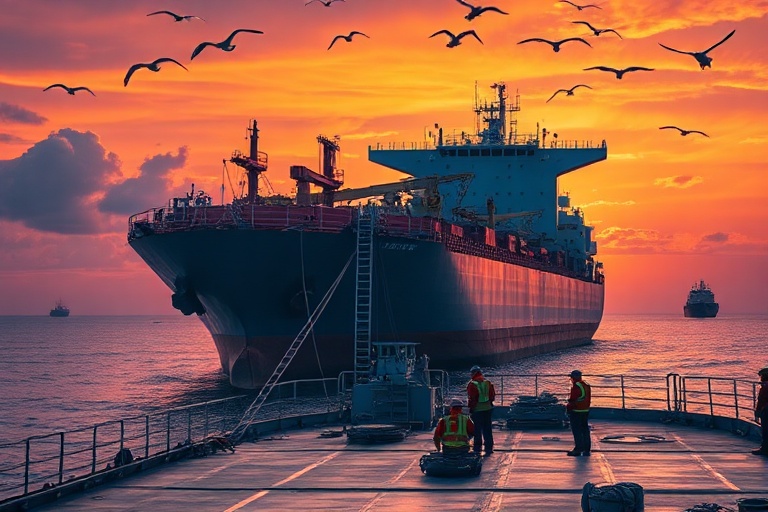
Understanding Tankers: An Overview
Tankers are a vital component of the global shipping industry, primarily used for transporting liquids such as crude oil, chemicals, and liquefied natural gas. These vessels vary in size and design, depending on their specific purpose. The significance of tankers extends beyond mere transportation; they play a crucial role in the world’s economy and energy supply chain.
Tankers can be categorized into several types, each serving distinct needs. The most common types include:
- Cruise Tankers: Designed for transporting crude oil.
- Product Tankers: Used for transporting refined products like gasoline and diesel.
- Chemical Tankers: Built to carry chemicals in bulk.
- LNG Carriers: Specifically designed for liquefied natural gas.
The Global Impact of Tankers
The global shipping industry relies heavily on tankers, which facilitate the movement of essential resources across countries and continents. According to the International Maritime Organization, around 90% of global trade is conducted through shipping, with a significant portion handled by tankers. This underscores the importance of these vessels in maintaining energy security and supporting economic stability.
In regions rich in oil reserves, such as the Middle East, tankers are essential for exporting crude oil to markets worldwide. This transportation is not without challenges, including geopolitical tensions that can disrupt shipping routes and affect supply chains. For instance, the Strait of Hormuz, a critical chokepoint for oil shipments, has been the center of numerous conflicts, highlighting the strategic importance of tankers in international relations.
Environmental Considerations
While tankers are crucial for the global economy, they also pose significant environmental risks. Oil spills, leaks, and accidents can have devastating effects on marine ecosystems. The infamous Exxon Valdez disaster in 1989 serves as a stark reminder of the potential consequences of tanker operations.
To mitigate these risks, various regulations have been implemented. The International Maritime Organization has established guidelines and standards aimed at minimizing the environmental impact of shipping activities. These include:
- Mandatory double hull designs to reduce spill risks.
- Regular inspections and maintenance of tankers.
- Strict penalties for violations of environmental regulations.
Moreover, the industry is increasingly exploring sustainable alternatives. Innovations such as cleaner fuels and more efficient engine technologies are being adopted to reduce emissions and enhance safety.
Cultural Perspectives on Tankers
Tankers are not only a technological marvel but also a cultural symbol in various societies. In some coastal communities, they represent economic opportunity and growth, while in others, they may symbolize environmental degradation and loss of natural beauty. Art and literature often reflect these divergent views, showcasing the complexity of society’s relationship with maritime trade.
In the film industry, tankers have appeared in various narratives, often portrayed as behemoths of commerce or harbingers of disaster. Documentaries about maritime life frequently highlight the stories of those who work on these vessels, revealing the human side of the shipping industry.
As the world continues to evolve, the role of tankers will undoubtedly adapt to changing economic, environmental, and cultural landscapes. The ongoing dialogue surrounding their impact will shape policies and innovations in the years to come.
Conclusion
Tankers are indispensable to the global economy, facilitating the transportation of vital resources. While they offer significant benefits, they also present environmental challenges that require careful management. Understanding the multifaceted role of tankers—from economic drivers to cultural symbols—provides insight into their importance in our interconnected world. As we look forward, the shipping industry must balance these aspects to ensure a sustainable future.
For more insights on global shipping and its implications, visit our Business section, or explore the intersection of technology and culture in the Culture category.