Fitbit Air Tracker Review: Lightweight Fitness at Your Fingertips
The wearable tech market continues to evolve with devices that prioritize both functionality and comfort. Fitbit, a brand synonymous with accessible fitness tracking, has expanded its lineup with the Fitbit Air Tracker. Positioned as a lightweight alternative to traditional fitness bands, this device offers core tracking features without the bulk. But does it strike the right balance between simplicity and performance?
The Design: Less Bulk, More Comfort
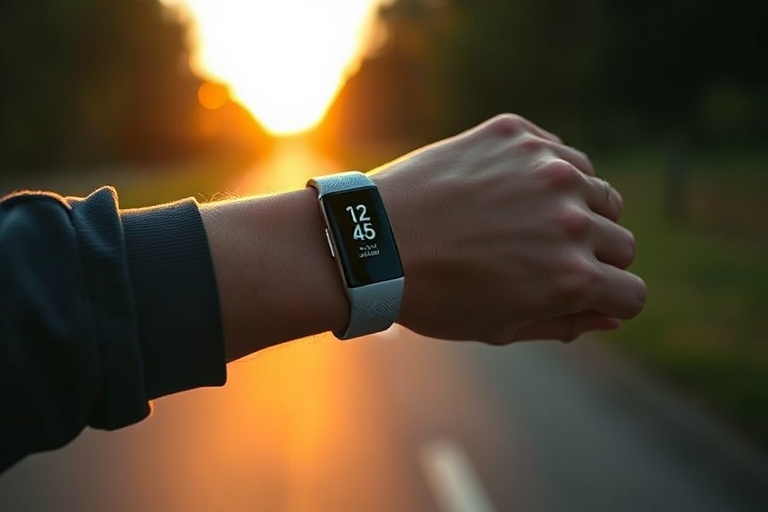
Fitbit has always excelled at creating devices that feel like an extension of the body rather than an accessory. The Air Tracker follows this philosophy with a minimalist design that weighs just 10 grams. Its slim profile and soft silicone strap make it comfortable for all-day wear, whether you’re sleeping, working, or exercising.
The device features a single button and a small OLED display that shows essential metrics like steps, heart rate, and battery life. While it lacks a touchscreen, the simplicity of the interface ensures quick access to the information you need without unnecessary distractions. The Air Tracker also comes in a range of colors, appealing to users who prioritize style as much as functionality.
Tracking Capabilities: What It Does—and What It Doesn’t
The Fitbit Air Tracker focuses on the fundamentals, a deliberate choice that sets it apart from more feature-rich wearables. Here’s what it offers:
- 24/7 Activity Tracking: Monitors steps, distance, calories burned, and active minutes.
- Heart Rate Monitoring: Provides continuous heart rate data to help gauge exercise intensity and recovery.
- Sleep Tracking: Tracks sleep stages and offers insights into sleep quality.
- Smart Notifications: Displays call, text, and app alerts from your smartphone.
- Long Battery Life: Up to 7 days on a single charge, reducing the need for frequent recharging.
However, the Air Tracker omits some advanced features found in pricier models, such as built-in GPS, SpO2 (blood oxygen) monitoring, and workout-specific metrics. For users who rely on these capabilities, the Air Tracker may feel limited. Instead, it caters to those who want a straightforward, no-frills device for basic health and fitness tracking.
Who Is the Fitbit Air Tracker For?
The Air Tracker isn’t designed for elite athletes or data-driven fitness enthusiasts. Instead, it targets casual users who want to monitor their daily activity without the complexity of a full-featured smartwatch. Parents, students, or professionals who want a lightweight device to stay on top of their health goals may find it particularly appealing.
The affordability of the Air Tracker also makes it an attractive entry point for those new to fitness tracking. At a lower price point compared to Fitbit’s Versa or Charge series, it offers a budget-friendly way to experience the brand’s ecosystem. However, users who eventually want more advanced features may need to upgrade to a higher-end model down the line.
The Broader Implications: Simplifying Wearable Tech
The Fitbit Air Tracker reflects a growing trend in the wearable tech industry: the push toward minimalism. As consumers become overwhelmed by the sheer number of features in modern devices, there’s a renewed interest in products that do one thing well. The Air Tracker’s success could signal a shift toward more accessible, user-friendly wearables that prioritize ease of use over technical specifications.
This approach also aligns with broader health and wellness trends. With rising awareness of mental health and burnout, many people are seeking ways to simplify their lives. A device like the Air Tracker, which quietly monitors health without demanding constant attention, fits neatly into this narrative. It doesn’t try to replace a doctor or a personal trainer; instead, it serves as a gentle reminder to stay active and mindful.
Moreover, the Air Tracker’s focus on affordability and accessibility could help democratize fitness tracking. Historically, wearable tech has been criticized for catering to a niche audience of early adopters. By offering a low-cost, no-frills option, Fitbit is making health monitoring more inclusive, particularly for younger users or those in lower-income brackets who may not have the budget for premium devices.
Final Verdict: A Worthy Contender in the Budget Wearable Space
The Fitbit Air Tracker is a solid choice for users who want a lightweight, no-fuss device to track their daily activity. Its comfortable design, long battery life, and essential tracking features make it a practical option for casual users. However, those seeking advanced metrics or a more robust fitness platform may find it lacking.
If you’re considering the Air Tracker, weigh its simplicity and affordability against its limited features. For many, it will be a stepping stone into the world of fitness tracking—a device that encourages healthier habits without overwhelming the user. For others, it might serve as a secondary tracker to complement a more advanced smartwatch or fitness band.
Ultimately, the Fitbit Air Tracker succeeds in its mission: to provide a streamlined, accessible way to monitor health and wellness. In an era where technology often complicates rather than simplifies, this device stands out as a refreshing alternative.
Key Takeaways
- The Fitbit Air Tracker is a lightweight, minimalist device designed for basic fitness tracking.
- It lacks advanced features like GPS and SpO2 monitoring, making it best suited for casual users.
- Its affordability and simplicity make it an accessible entry point into wearable tech.
- The device reflects a broader trend toward minimalist, user-friendly wearables.
- It may not replace high-end fitness trackers for serious athletes but serves as a practical secondary device.
For those interested in exploring more about fitness tracking or wearable tech, check out our Health and Technology category pages for the latest reviews and analysis.