Nestled in the heart of Edinburgh, Hibernian Football Club stands as one of Scotland’s most storied and beloved institutions. Founded in 1875 by Irish immigrants, the club has woven itself into the cultural fabric of the city, blending sporting excellence with a deep sense of community. Over the decades, Hibernian has navigated triumphs and tribulations, evolving from a small parish team into a Premier League mainstay with a global fanbase.
The Early Years: Founding and Growth
Hibernian FC was established by members of Edinburgh’s Irish Catholic community, who sought to create a football team that reflected their heritage and values. The club’s name, derived from the Latin term for Ireland, “Hibernia,” was a deliberate nod to its origins. In its early years, Hibernian played in local leagues and quickly gained a reputation for competitive play.
The club’s first major success came in 1887 when it won the Scottish Cup, defeating Dumbarton 2-1 in a replayed final. This victory marked the beginning of Hibernian’s rise in Scottish football, setting the stage for decades of achievement. By the early 20th century, the club had become a regular contender in both domestic and international competitions, laying the foundation for its future legacy.
The Leith Era and the Birth of Easter Road
Hibernian’s move to Easter Road in 1893 solidified its place in Edinburgh’s sporting landscape. The stadium, located in the working-class district of Leith, became synonymous with the club’s identity. The area’s vibrant culture and strong working-class ethos shaped Hibernian’s character, fostering a loyal fanbase that remains unmatched in Scottish football.
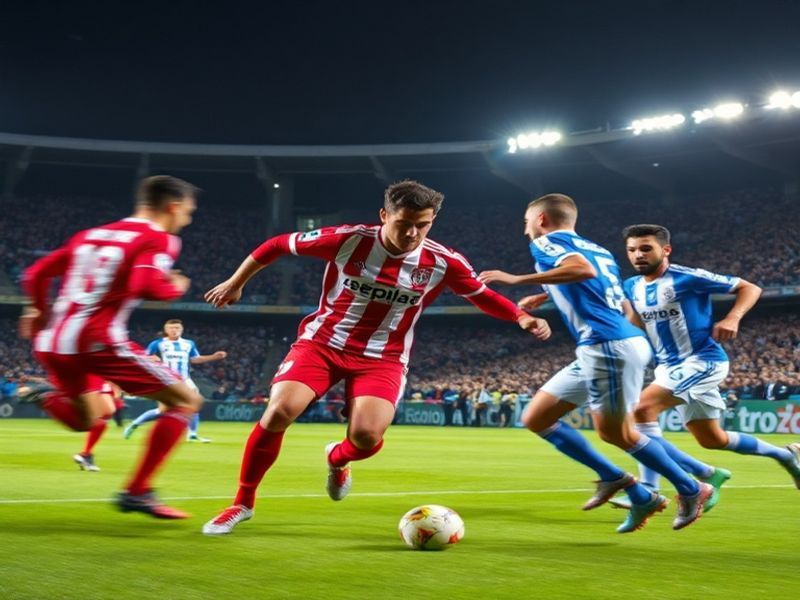
During this period, Hibernian developed a reputation for playing attractive, attacking football. The club’s style, often characterized by quick passing and flair, earned it the nickname “The Hibs,” a term still used affectionately by fans today. This philosophy not only defined Hibernian’s on-field identity but also endeared it to supporters who valued creativity over rigid tactics.
The Golden Era: 1940s and 1950s
Hibernian’s most celebrated era unfolded in the mid-20th century, when the club became a powerhouse in Scottish football. Led by legendary manager Willie McCartney and a squad packed with talent, Hibernian dominated the Scottish League in the late 1940s and early 1950s. The team’s attacking prowess was unmatched, with players like Gordon Smith, Bobby Johnstone, and Lawrie Reilly forming a formidable trio.
The crowning achievement of this era came in 1951, when Hibernian secured the Scottish League title. This victory was particularly significant given the club’s humble beginnings and its status as an underdog in Scottish football. The team’s success was a testament to McCartney’s leadership and the players’ skill, cementing Hibernian’s place in football history.
The Famous 1955–56 European Cup Run
One of the most iconic moments in Hibernian’s history occurred during the 1955–56 European Cup, the predecessor to the modern Champions League. Under the guidance of manager Walter Galbraith, Hibernian became the first British club to participate in the competition. The team’s journey was nothing short of spectacular, as it advanced to the semifinals before falling to the eventual champions, Stade de Reims.
This run captivated fans across Europe and showcased Hibernian’s ability to compete on the continental stage. The club’s attacking style, led by Reilly and Johnstone, left a lasting impression on European football and helped establish Hibernian as a club of global repute. The memories of this campaign remain a source of pride for Hibs supporters to this day.
Modern Challenges and Revival
While Hibernian’s early years were marked by success, the latter half of the 20th century and early 21st century presented significant challenges. Financial struggles, managerial instability, and relegation to lower divisions tested the club’s resilience. However, through the dedication of its fanbase and strategic investments, Hibernian began a steady revival in the 2010s.
Under the ownership of Tom Farquhar and later Ron Gordon, the club stabilized its finances and rebuilt its squad. The appointment of manager Eddie May in 2016 marked a turning point, as he guided the team back to the Scottish Premiership. This resurgence culminated in Hibernian winning the Scottish League Cup in 2021, a historic achievement that signaled the club’s return to prominence.
The Role of the Fanbase
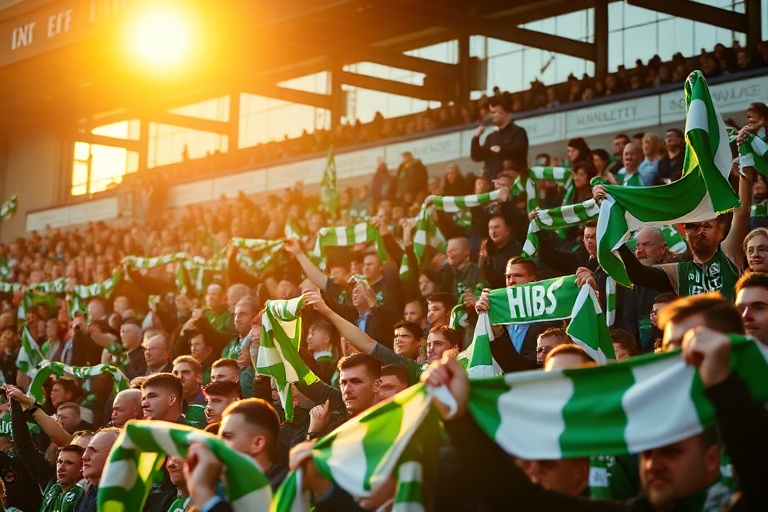
No discussion of Hibernian FC would be complete without acknowledging its passionate fanbase. The club’s supporters, known for their unwavering loyalty, have played a crucial role in its survival and success. The Green Brigade, a well-known ultras group, has become synonymous with Hibernian’s matchday atmosphere, creating an electric environment at Easter Road.
Hibernian’s fans are renowned for their creativity and commitment. Chants, banners, and tifos are staples of the matchday experience, reflecting the deep connection between the club and its community. This bond has helped Hibernian weather financial storms and remain a symbol of resilience in Scottish football.
Hibernian’s Cultural Impact
Beyond the pitch, Hibernian FC has had a profound cultural impact on Edinburgh and Scotland. The club’s Irish heritage has fostered a unique identity, blending Scottish and Irish traditions. This cultural fusion is evident in the club’s anthem, “Glory, Glory to Hibernian,” a rendition of the Irish folk song “The Fields of Athenry,” which resonates deeply with fans.
Hibernian’s commitment to community engagement has also strengthened its ties with the local population. The club’s charitable initiatives, youth academies, and outreach programs have made it a beacon of positivity in Edinburgh. This focus on social responsibility has endeared Hibernian to generations of fans and cemented its role as more than just a football club.
Notable Alumni and Contributions to Scottish Football
Hibernian has produced some of Scotland’s most iconic footballers, many of whom have left a lasting legacy. Gordon Smith, a prolific striker in the 1950s, remains one of the club’s greatest heroes. More recently, players like Steven Fletcher and Scott Brown have carried the Hibs torch, contributing to both domestic and international football.
The club has also played a pivotal role in developing Scottish football talent. Hibernian’s youth academy has produced players who have gone on to represent Scotland at the highest level. This commitment to nurturing young talent underscores the club’s importance in the broader footballing landscape.
The Future of Hibernian FC
As Hibernian FC looks ahead, the club faces new challenges and opportunities. Competing in the Scottish Premiership requires financial prudence and strategic planning, particularly in an era where football’s financial landscape is increasingly complex. However, with a strong fanbase, a clear vision, and a commitment to sustainable growth, Hibernian is well-positioned for the future.
The club’s recent investments in player recruitment and infrastructure signal a determination to reclaim its place among Scotland’s elite. Hibernian’s participation in European competitions, such as the Europa Conference League, provides opportunities to showcase its talent on a broader stage. These efforts, combined with the unwavering support of its fans, offer a promising outlook for the years to come.
Sustainability and Long-Term Vision
Hibernian’s leadership has emphasized the importance of sustainability, both financially and environmentally. The club’s efforts to reduce its carbon footprint and engage in eco-friendly initiatives reflect a broader commitment to responsible stewardship. These actions not only benefit the environment but also resonate with a fanbase that values progressive values.
Looking further ahead, Hibernian’s ambitions include not only domestic success but also a return to European competition. The club’s rich history in continental football serves as a reminder of its potential, and fans eagerly anticipate the day when Hibernian can once again compete for continental glory.
For those interested in exploring more about Scottish football clubs and their histories, Dave’s Locker Sports offers a wealth of articles and insights. Whether you’re a lifelong fan or a newcomer to the sport, there’s always more to discover about the beautiful game.
Conclusion
Hibernian FC is more than just a football club; it is a symbol of resilience, community, and cultural pride. From its humble beginnings to its modern-day revival, Hibernian has navigated the highs and lows of Scottish football with grace and determination. Its rich history, iconic moments, and dedicated fanbase make it a unique institution in the world of football.
As Hibernian continues to write its story, one thing is certain: the club’s legacy will endure. Whether through on-field success, community engagement, or cultural impact, Hibernian FC remains a vital part of Edinburgh’s identity and a testament to the power of football to unite and inspire.