How Google Laptops Are Redefining Global Tech Access
How Google Laptops Became a Silent Global Equalizer
In 2023, a quiet revolution unfolded across classrooms, small businesses, and rural communities worldwide. It wasn’t marked by protests or product launches, but by the steady hum of affordable, lightweight laptops entering everyday life. These weren’t just devices; they were tools reshaping how people learn, work, and connect.
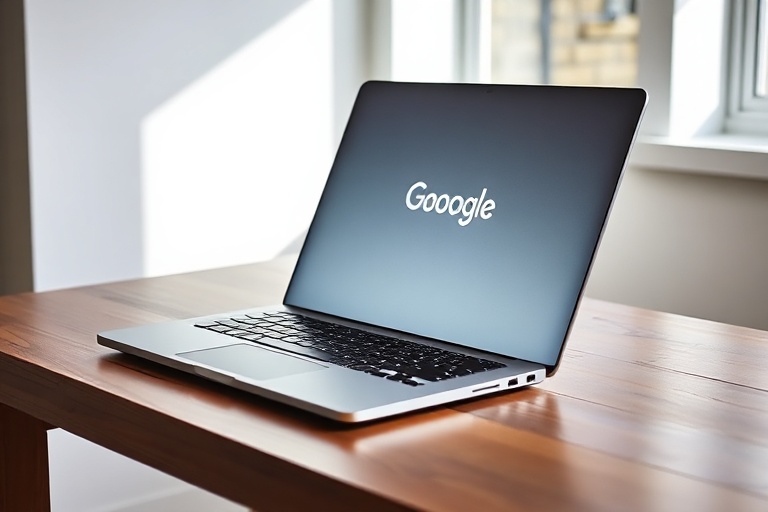
Google’s Chromebook line, often overshadowed by flashier tech from Silicon Valley rivals, quietly became the backbone of digital access in regions where high-speed internet and expensive hardware remain luxuries. From the crowded streets of Nairobi to the rice fields of Vietnam, these laptops demonstrated how technology could be both accessible and scalable. They proved that sometimes, the most transformative innovations aren’t the fastest or most expensive, but the ones that empower the most people.
The Rise of the Chromebook: More Than Just a Budget Device
Google’s approach to laptops began not as a challenge to Apple or Microsoft, but as an answer to a different question: How do we make computing affordable without sacrificing reliability? The answer was Chrome OS, a lightweight operating system designed to run on low-cost hardware. By stripping away the complexity of traditional operating systems, Google created a platform that could run on modest processors and minimal storage.
This strategy found fertile ground during the pandemic, when schools worldwide scrambled to equip students for remote learning. Districts in the United States, for instance, purchased millions of Chromebooks to bridge the digital divide. By 2022, Chromebooks accounted for over 50% of all K-12 device shipments in America, according to industry analysts. But their reach extended far beyond affluent nations.
In India, programs like the “Bharat Digital Saksharta Abhiyan” distributed thousands of Chromebooks to rural learners. In Brazil, nonprofits partnered with local governments to outfit public schools with these devices, turning them into hubs for digital literacy. The pattern was clear: where traditional laptops were out of reach, Chromebooks filled the gap—not as a compromise, but as a solution.
Global Impact: From Silicon Valley to the Global South
The global adoption of Google laptops reflects a broader shift in technology’s role in society. For decades, tech innovation was concentrated in wealthy nations, with developing countries serving as markets rather than creators. But today, devices like Chromebooks are enabling a new wave of digital inclusion, where access to technology is no longer a privilege tied to income or geography.
One notable example is the “One Laptop per Child” initiative, which, despite its challenges, highlighted the importance of affordable, durable devices in education. Google’s hardware partners, such as Acer, Lenovo, and HP, have since refined this model, producing Chromebooks that cost less than $200 yet offer robust performance for web-based tasks. These laptops are often the first computers many students ever use, introducing them to the internet, coding platforms, and collaborative tools like Google Classroom.
In Africa, where mobile internet dominates but traditional computing lags, Chromebooks have become bridges between smartphones and full-fledged PCs. Libraries and community centers in cities like Lagos and Cape Town now offer Chromebooks alongside Wi-Fi, giving users a taste of desktop computing without the steep learning curve. This hybrid approach reflects a growing understanding that digital inclusion isn’t just about access to devices—it’s about access to experiences.
Cultural Shifts: How Google Laptops Are Changing Work and Learning
The impact of Google laptops extends beyond education. In the workplace, they’ve redefined what it means to be “office-ready.” Freelancers in Manila, graphic designers in Mexico City, and customer service agents in Jakarta now rely on Chromebooks for their daily tasks. The cloud-based nature of Chrome OS allows these professionals to work from virtually anywhere, as long as they have an internet connection.
This shift has also influenced workplace culture. Remote work, once a luxury for corporate employees, is now a reality for millions of gig workers. Google laptops, with their long battery life and instant-on capabilities, make it easier to transition between tasks without the hassle of slow boot times or software updates. For many, these devices have become symbols of flexibility and autonomy.
In creative fields, too, Chromebooks are gaining traction. While they lack the raw power of high-end laptops, they excel in collaborative environments. Artists, writers, and musicians use Google’s suite of apps—Docs, Sheets, Slides, and Keep—to share work in real time. The simplicity of Chrome OS reduces distractions, allowing users to focus on creation rather than configuration.
Challenges and Criticisms: The Limits of Google’s Vision
Despite their widespread adoption, Google laptops are not without limitations. Chrome OS was designed for a specific use case: web browsing, document editing, and cloud-based applications. For users who rely on specialized software—such as video editing suites, CAD programs, or advanced gaming—the platform falls short. This has led to criticism that Google’s approach, while inclusive, is also restrictive.
Another challenge is the reliance on cloud services. While this model reduces hardware costs, it places users at the mercy of internet connectivity. In regions with unreliable power or slow networks, Chromebooks can feel like underpowered tablets rather than full-fledged computers. This digital divide within the digital divide has prompted some educators and activists to call for hybrid devices that can operate offline.
Privacy concerns have also emerged as Google laptops become more prevalent. Chrome OS is deeply integrated with Google’s ecosystem, meaning data from browsing, documents, and even voice commands (on models with Google Assistant) is collected and analyzed. For users in countries with strict data protection laws, this can be a dealbreaker. Meanwhile, in regions where surveillance is a reality, the cloud-based nature of these devices raises questions about digital sovereignty.
The Future of Google Laptops: What’s Next?
Looking ahead, Google’s laptop strategy appears poised for evolution. The company has already begun integrating Android apps into Chrome OS, blurring the lines between laptops and smartphones. This could unlock new use cases, from mobile gaming to local software development. Additionally, advancements in offline capabilities and AI-driven tools may address some of the platform’s current limitations.
There’s also the question of hardware innovation. Google has experimented with its own laptop designs, such as the Pixelbook series, which cater to premium markets. These devices offer high-resolution displays, long battery life, and premium build quality—positioning them as alternatives to Apple’s MacBook Air. Yet, for Google, the real opportunity lies in the middle ground: devices that are affordable, powerful, and versatile enough to serve multiple roles.
As global internet penetration continues to grow—particularly in Africa and Southeast Asia—the demand for low-cost, high-function laptops will only increase. Google’s Chromebooks, once seen as a niche product, are now at the forefront of a movement to democratize technology. Their success story is a reminder that innovation isn’t always about breaking barriers; sometimes, it’s about building bridges.
Why This Matters for the Rest of Us
The story of Google laptops is more than a tech trend; it’s a cultural shift. It shows how technology can be a force for equity when designed with inclusivity in mind. While Silicon Valley often celebrates moonshots and billion-dollar valuations, the quiet adoption of Chromebooks in classrooms and workplaces worldwide demonstrates that real change happens when technology serves people, not the other way around.
For educators, policymakers, and consumers, the lesson is clear: the most impactful innovations aren’t always the ones that make headlines. Sometimes, they’re the ones that quietly change lives—one laptop at a time.
To explore how technology is shaping other aspects of global culture, check out our Culture section for more insights.