From its roots as a single store in Bury to becoming a multi-billion-pound sports fashion empire, JD Sports has transformed the way the world shops for sneakers and activewear. The retailer’s aggressive expansion strategy, strategic partnerships, and keen eye for emerging trends have cemented its position as a dominant force in global retail.
The Rise of JD Sports: From Local Shop to Global Player
Founded in 1981 by John David Sports, the company began as a modest sports retail outlet in Bury, Greater Manchester. Initially focused on running shoes and football boots, JD Sports quickly capitalized on the growing popularity of casual sportswear in the UK. By the late 1980s, the brand had expanded across the country, benefiting from the rise of jogging culture and the increasing mainstream appeal of athletic footwear.
Two pivotal moments defined JD Sports’ trajectory. The first was its 1996 stock market flotation, which provided the capital needed for rapid expansion. The second was the 2005 acquisition of the First Sport chain, which doubled its store footprint almost overnight. This aggressive growth strategy allowed JD Sports to outpace competitors and establish itself as the go-to destination for sneakers in the UK.
Key Milestones in JD Sports’ Expansion
- 1981: First store opens in Bury, England.
- 1996: Company goes public on the London Stock Exchange.
- 2005: Acquires First Sport, expanding to over 200 stores.
- 2013: Enters the US market with the acquisition of the Finish Line brand.
- 2016: Launches JD Women, catering to the growing female sneaker market.
- 2023: Reports annual revenue exceeding £9 billion for the first time.
Business Model and Retail Strategy: How JD Sports Dominates
JD Sports operates on a hybrid retail model, combining owned stores with a robust e-commerce platform. Its stores are strategically located in high-footfall shopping centers and city centers, ensuring visibility and accessibility. The company’s e-commerce site, launched in the early 2000s, has become a critical revenue driver, particularly among younger consumers who prioritize convenience.
The retailer’s success hinges on its ability to secure exclusive partnerships with top athletic brands. JD Sports is the largest stockist of Nike in Europe and holds exclusive deals for limited-edition releases, such as collaborations with brands like Off-White and Palace. These partnerships not only drive foot traffic but also cultivate a loyal customer base eager to snag rare products.
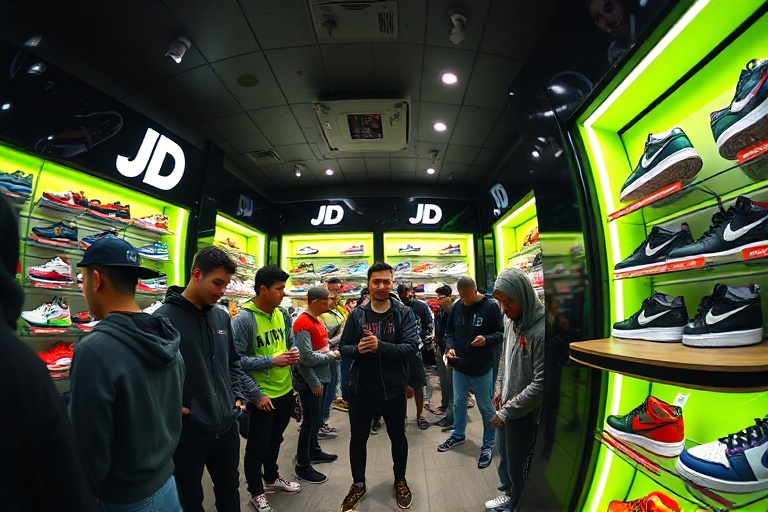
Another key element of JD Sports’ strategy is its focus on the “sneakerhead” community. The company hosts in-store launch events for highly anticipated drops, often drawing long queues and creating a festival-like atmosphere. This approach has turned sneaker shopping into a social experience, further embedding JD Sports into urban youth culture.
Challenges and Controversies: Navigating a Competitive Market
Despite its dominance, JD Sports has faced significant challenges in recent years. The global supply chain disruptions of 2020-2022 impacted inventory levels, leading to stock shortages for high-demand products. The company also grappled with rising inflation and supply chain costs, which squeezed profit margins. In response, JD Sports implemented dynamic pricing strategies and leaned into its private-label brands to mitigate these pressures.
The retailer has also encountered criticism over its labor practices. In 2021, an investigation revealed poor working conditions in some of its warehouses, including excessive overtime and inadequate safety measures. JD Sports responded by pledging to improve conditions and conduct regular audits, though scrutiny from labor rights groups continues.
Competition poses another hurdle. Brands like Nike and Adidas have expanded their direct-to-consumer sales, cutting out retailers like JD Sports. Meanwhile, online platforms such as GOAT and StockX have gained traction among sneaker enthusiasts. To stay ahead, JD Sports has invested in its own resale platform, JD Value, and expanded its range of premium athletic wear to include luxury collaborations.
The Future of JD Sports: Innovation and Global Ambitions
JD Sports shows no signs of slowing its expansion. The company has set its sights on further international growth, particularly in Europe and Asia, where sneaker culture is rapidly gaining momentum. JD Sports has already established a presence in countries like Spain, Italy, and China, though its progress in these markets has been gradual compared to its dominant UK footprint.
Technology will play a crucial role in JD Sports’ future strategy. The company is testing AI-driven inventory management to better predict demand and reduce overstock. It is also exploring augmented reality (AR) tools to enhance the online shopping experience, allowing customers to virtually try on shoes before purchasing.
Sustainability is another area of focus. JD Sports has committed to reducing its carbon footprint by 50% by 2030, including efforts to eliminate single-use plastics in packaging and increase the use of recycled materials in its products. These initiatives align with growing consumer demand for ethical and eco-friendly retail practices.
What’s Next for JD Sports?
- Expansion into new markets: JD Sports aims to open stores in Scandinavia, Eastern Europe, and Southeast Asia.
- Enhanced digital experiences: Plans to integrate virtual try-ons and personalized recommendations using AI.
- Sustainability initiatives: Targets include carbon neutrality in operations and 100% recycled packaging by 2025.
- Brand collaborations: Continued focus on exclusive partnerships with high-profile designers and athletes.
Conclusion: A Retail Powerhouse with Room to Grow
JD Sports has evolved from a local sports shop into a global retail titan by staying ahead of trends, fostering exclusivity, and adapting to changing consumer behaviors. While challenges like supply chain disruptions and labor scrutiny persist, the company’s strategic investments in technology, sustainability, and international markets position it well for continued success.
For sneaker enthusiasts and sports fashion lovers, JD Sports remains a must-visit destination. However, its ability to sustain growth will depend on its agility in navigating an increasingly competitive retail landscape. As the company continues to innovate, one thing is clear: JD Sports is more than just a retailer—it’s a cultural institution shaping the future of how we shop.
For more insights into the sneaker industry and retail trends, explore our Fashion and Analysis sections on Dave’s Locker.