Jet Fuel Shortages Disrupt Air Travel: Causes and Solutions
The aviation industry is facing a growing crisis as jet fuel shortages disrupt operations worldwide. Airlines are scrambling to secure supplies while passengers confront rising ticket prices and delayed flights. This isn’t just a temporary hiccup—it’s a structural challenge with ripple effects across global logistics, economics, and travel.
Several factors have converged to create this scarcity. Geopolitical tensions, refining capacity constraints, and surging demand post-pandemic have all played a role. The situation is particularly acute in regions heavily dependent on imported fuel, where supply chain vulnerabilities are exposed without warning.
The Root Causes Behind the Jet Fuel Crunch
Understanding the jet fuel shortage requires examining multiple layers of disruption. Production slowdowns at refineries, especially in Europe and North America, have reduced output just as demand rebounds. Refiners have shifted focus toward diesel and gasoline due to stronger margins, leaving jet fuel—a lower-margin product—in the lurch.
Geopolitical instability has further complicated matters. The war in Ukraine disrupted major fuel transit routes, while sanctions on Russian oil exports forced buyers to seek alternatives. Countries like India and China, once major buyers of Russian crude, now compete in global markets for limited supplies.
Environmental regulations have also contributed. Stricter emissions standards and carbon pricing have made some refineries reluctant to invest in jet fuel production without long-term viability assurances. Meanwhile, the aviation industry’s push toward sustainable aviation fuels (SAFs) remains in early stages, unable to scale quickly enough to offset traditional fuel shortages.
Key Factors Contributing to Jet Fuel Shortages
- Refinery Capacity Constraints: Many refineries have not fully recovered from pandemic-era slowdowns and prioritize higher-margin products over jet fuel.
- Geopolitical Disruptions: Conflicts and sanctions reduce stable supply chains, forcing buyers to navigate volatile markets.
- Environmental Policies: Carbon taxes and emissions rules discourage investment in traditional fuel production.
- Post-Pandemic Demand Surge: Passenger travel rebounded faster than expected, overwhelming supply chains unprepared for sudden demand spikes.
- Limited SAF Infrastructure: Sustainable aviation fuels are not yet produced at volumes sufficient to replace conventional jet fuel.
How Airlines Are Responding to the Crisis
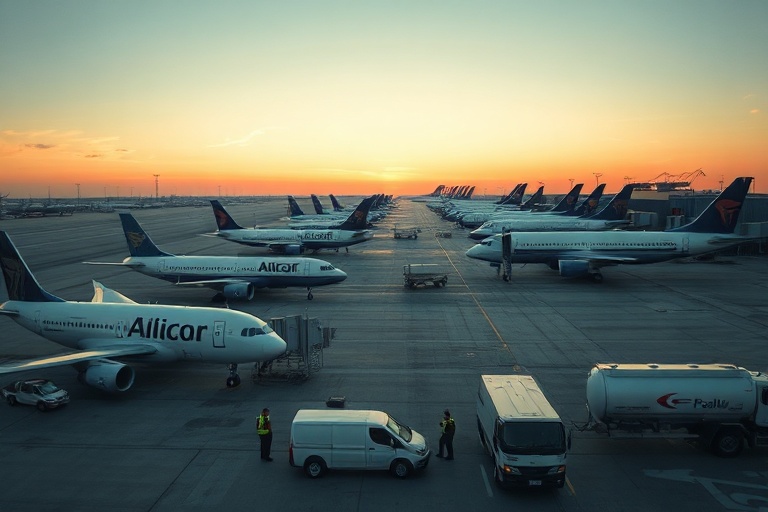
Airlines are taking drastic measures to mitigate the impact. Some carriers have reduced flight frequencies on less profitable routes, while others are grounding older, fuel-inefficient aircraft prematurely. Budget airlines, which rely on high aircraft utilization, are particularly vulnerable to fuel price volatility.
Fuel surcharges have become commonplace, with passengers paying up to 30% more in some cases. Airlines like Delta and United have warned of further price hikes if the shortage persists. Cargo carriers, which depend on jet fuel for operations, are also feeling the squeeze, raising shipping costs across industries.
In response, some airlines are exploring hedging strategies, locking in prices months in advance to avoid spot market volatility. Others are accelerating fleet modernization programs to improve fuel efficiency. However, these solutions are short-term fixes in a market where structural imbalances remain unaddressed.
The Broader Implications for Global Travel and Trade
The jet fuel shortage isn’t just an aviation problem—it’s an economic one. Tourism-dependent nations, such as Thailand and Greece, are bracing for reduced visitor numbers due to higher airfare costs. Business travel, already recovering from remote-work trends, faces further setbacks as companies scrutinize travel budgets.
Global supply chains are also at risk. Many high-value goods, including electronics and pharmaceuticals, rely on air cargo. Delays and increased costs could slow deliveries, affecting everything from smartphone production to vaccine distribution. Retailers dependent on just-in-time inventory models may face stock shortages during peak seasons.
Governments are under pressure to intervene. Some have released strategic fuel reserves, while others are considering subsidies to stabilize prices. The European Union is exploring mandatory fuel stockpiles for airlines, a measure reminiscent of oil reserve policies from past decades.
Long-Term Consequences of Prolonged Shortages
- Economic Slowdown: Reduced air travel could dampen GDP growth in tourism-heavy regions.
- Inflation Pressures: Higher transportation costs may contribute to broader inflationary trends.
- Industry Consolidation: Smaller airlines may struggle to survive, leading to mergers and reduced competition.
- Accelerated SAF Adoption: Shortages could push governments and airlines to invest more aggressively in alternative fuels.
- Shift in Travel Patterns: Passengers may opt for alternative transportation modes, such as high-speed rail, for shorter distances.
Looking Ahead: Can the Industry Adapt?
The path forward depends on coordinated action. Refineries must invest in jet fuel production capacity, but this requires stable demand forecasts and supportive policies. Governments could incentivize refineries through tax breaks or long-term contracts, ensuring fuel stability for airlines.
For airlines, the crisis underscores the need for diversification. Investing in SAFs, exploring hybrid-electric aircraft, and optimizing routes could reduce vulnerability to fuel shocks. However, these transitions require significant capital and time.
Consumers will ultimately bear the brunt of these changes. Higher ticket prices and reduced connectivity may become the new norm unless systemic solutions emerge. The aviation industry’s resilience will be tested as it navigates an era of uncertainty.
One thing is clear: the jet fuel shortage is not a fleeting issue. It is a harbinger of broader challenges in energy, climate policy, and global trade. How stakeholders respond today will shape the future of air travel for decades to come.
For more insights on how fuel shortages impact travel trends, visit our Travel and News categories.