Jose Ochoa: The Quiet Force Reshaping Global Sports Media
Jose Ochoa’s influence in sports media extends far beyond traditional broadcasting. As a producer, commentator, and cultural interpreter, he has spent decades bridging gaps between Latin American sports narratives and global audiences. His work with platforms like Dave’s Locker demonstrates how sports storytelling can evolve from regional pride to international resonance.
The Early Years: From Local Courts to International Voices
Born in Mexico City, Ochoa grew up immersed in the rhythm of fútbol and lucha libre. His early fascination with sports commentary began not in studios, but in neighborhood gatherings where neighbors debated matches with the same intensity as professionals. By his late teens, he was already a local radio voice, translating the raw emotion of games into vivid, accessible language.
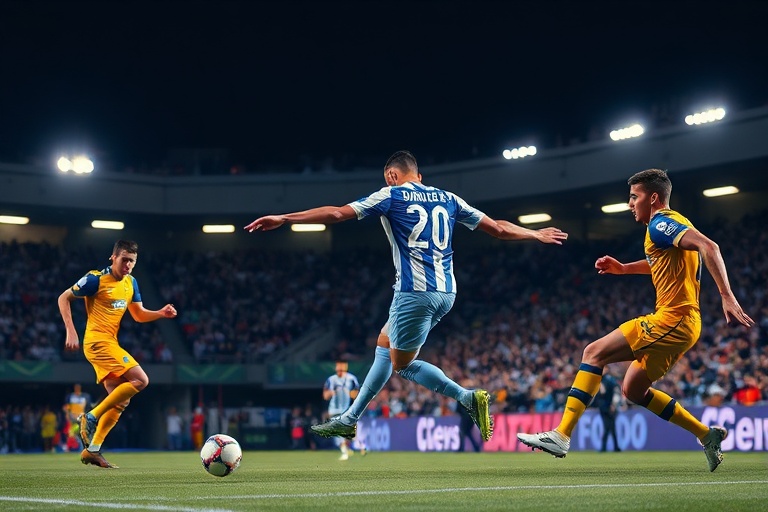
His big break came during the 2006 FIFA World Cup, when he was recruited to provide live Spanish-language commentary for regional broadcasts. Unlike many commentators who prioritized technical precision, Ochoa leaned into storytelling—capturing the cultural heartbeat behind every play. This approach earned him a reputation as a commentator who didn’t just describe the game, but made audiences feel it.
Cultural Translation in a Fragmented Media Landscape
Ochoa’s rise coincided with a global shift in sports media consumption. As streaming platforms fragmented audiences, the demand for authentic, culturally grounded voices grew. He became a key figure in this transformation, working with networks like ESPN, Univision, and digital-first platforms to adapt commentary styles for diverse audiences.
His signature style blends humor, nostalgia, and sharp analysis. Whether calling a Copa América match or analyzing Liga MX transfers, Ochoa avoids sterile recitation of stats. Instead, he weaves in references to music, history, and local customs—making even casual fans feel like insiders.
This approach has made him particularly effective in connecting younger, digitally native audiences to traditional sports. His social media presence, where he breaks down matches with memes and quick clips, has amassed over 1.2 million followers across platforms.
The Role of Sports Commentary in Global Identity
Sports are more than entertainment; they are living archives of cultural identity. Ochoa understands this deeply. He has spoken at length about how commentary shapes collective memory—how a single phrase or inflection can immortalize a moment in a fan’s mind.
Consider his call during Mexico’s 2018 World Cup victory over Germany: “¡El Tri sigue vivo!”—a declaration that resonated across diasporas, from Los Angeles to Madrid. Such lines become anthems, passed down like folk sayings. Ochoa’s work reminds us that sports commentary is not just a service—it’s a cultural act.
His documentary series, Voces del Balón, explored how commentators from Argentina, Brazil, and Colombia shaped their nations’ relationships with soccer. The project revealed a surprising truth: the most influential voices aren’t always the loudest. Often, they’re the ones who listen first.
Challenges and Evolution in the Digital Age
Despite his success, Ochoa has faced challenges common to media professionals in the digital era. The rise of AI-generated commentary and automated highlight reels threatens to commodify the human element of sports storytelling. Yet Ochoa embraces technology—not as a replacement, but as a tool to enhance authenticity.
He now hosts a weekly podcast, El Otro Lado del Juego, where he interviews athletes, coaches, and fans from across the Americas. The format allows unfiltered conversations that traditional broadcasts rarely feature. In one memorable episode, he sat down with a retired Mexican goalkeeper who revealed how superstitions like wearing red underwear during games shaped his career—a story that never made the box scores.
Ochoa also advocates for greater diversity in sports media. He points out that while Latin America produces world-class talent, its voices are often underrepresented in global commentary booths. “We don’t just need more seats at the table,” he said in a 2022 interview. “We need to redesign the table itself.”
A Lasting Legacy Beyond the Booth
Jose Ochoa’s impact extends beyond live broadcasts. He has mentored dozens of young commentators, many from underserved communities, offering them not just technical training but a philosophy of storytelling. His mentorship program, launched in 2020, has trained over 200 aspiring voices across 15 countries.
He also collaborates with educational initiatives that use sports commentary to teach language and cultural literacy. In one project, he worked with schools in Texas to have students analyze soccer broadcasts as a way to improve English comprehension and cultural understanding.
Looking ahead, Ochoa is developing a digital platform focused on “slow sports media”—content that prioritizes depth over virality. The project reflects his belief that in an era of instant highlights, there’s still room for thoughtful, immersive storytelling.
Why His Work Matters Now
In a time when global tensions often overshadow cultural exchange, figures like Ochoa remind us of the unifying power of sports. His career illustrates how media can transcend language barriers, not by erasing differences, but by honoring them.
Whether you’re a lifelong fan or a curious newcomer, Jose Ochoa’s body of work offers more than just insight into games. It offers a masterclass in how to listen—to the roar of the crowd, the silence between words, and the stories waiting to be told.