Julio César Chávez: Mexico’s Boxing Legend and Global Icon
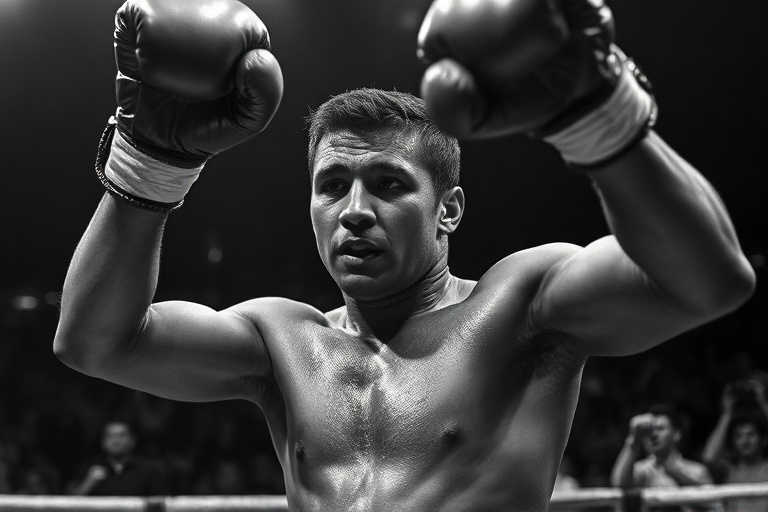
In the annals of boxing history, few names resonate as powerfully as Julio César Chávez. Born on July 12, 1962, in Ciudad Obregón, Sonora, Mexico, Chávez rose from humble beginnings to become one of the sport’s most celebrated figures. His career spanned over two decades, during which he captured multiple world titles across three weight classes and left an indelible mark on the global stage.
Chávez’s journey was not just one of athletic prowess but also of cultural significance. He became a symbol of Mexican pride and determination, inspiring generations of fighters and fans alike. His style—marked by relentless pressure, precision, and an unyielding will to win—earned him a reputation as one of the greatest technicians in boxing history.
The Rise of a Champion
Chávez’s professional debut came in 1980 at the age of 17, and by 1984, he had already claimed his first world title. His ascent was meteoric, fueled by a combination of raw talent, disciplined training, and an unshakable belief in his abilities. Unlike many fighters who peak early and fade quickly, Chávez maintained elite status for nearly 15 years, a testament to his longevity and adaptability.
His early years in the ring were defined by a series of dominant performances against formidable opponents. Chávez’s ability to adapt his style—whether cutting off the ring against taller fighters or outboxing pressure fighters—made him a nightmare for any challenger. By the late 1980s, he had established himself as a global icon, drawing massive crowds in Mexico and the United States.
A Global Icon in the Ring and Beyond
Chávez’s influence extended far beyond his native Mexico. He became a cultural bridge between Latin America and the broader boxing world, drawing international attention to the sport. His fights were not just athletic events but cultural spectacles, often broadcast to millions across Latin America, the U.S., and beyond. This global appeal helped elevate the profile of Mexican boxers, paving the way for future stars like Canelo Álvarez and Juan Manuel Márquez.
His rivalry with fellow Mexican legend Salvador Sánchez in the 1980s remains one of the most talked-about in boxing history. Though Sánchez tragically passed away in a car accident in 1985, his influence on Chávez was undeniable. Chávez often spoke of Sánchez as a mentor figure, and his death only fueled Chávez’s determination to honor his legacy in the ring.
The Chávez Legacy: More Than Just Wins
Chávez retired in 2005 with a record of 107 wins, 6 losses, and 2 draws, cementing his place as one of the greatest boxers of all time. His 13 world titles across three weight classes—including stints in the lightweight, light welterweight, and welterweight divisions—speak to his versatility and dominance. But his legacy is not solely defined by numbers.
Chávez’s impact on boxing transcended statistics. He was a fighter who embodied the values of hard work, resilience, and humility. His ability to connect with fans on a personal level, whether through his charismatic interviews or his willingness to give back to his community, further solidified his status as a cultural icon. In Mexico, he was more than a boxer; he was a national hero.
The Chávez Effect: Inspiring Future Generations
Chávez’s influence can be seen in the careers of countless fighters who followed in his footsteps. His relentless pressure style and technical precision became blueprints for aspiring boxers. Fighters like Erik Morales, Marco Antonio Barrera, and Canelo Álvarez have all cited Chávez as a major inspiration.
Beyond the ring, Chávez’s philanthropic efforts have left a lasting impact. He has been involved in numerous charitable initiatives, particularly those aimed at supporting underprivileged youth in Mexico. His foundation has provided scholarships, sports equipment, and mentorship programs, helping to shape the next generation of leaders.
A Career Defined by Iconic Fights
Chávez’s career is studded with unforgettable moments. His 1993 victory over Greg Haugen in a fight billed as the “Battle of Mexico vs. the World” drew over 130,000 fans to Estadio Azteca in Mexico City, setting a record for the largest boxing crowd in history. The fight was a masterclass in Chávez’s ability to dominate physically and mentally, showcasing his trademark combination of power and precision.
Another defining moment came in 1994, when Chávez faced Meldrick Taylor in what is widely regarded as one of the greatest fights in boxing history. The bout ended in a controversial stoppage in the final seconds of the 12th round, with Chávez retaining his title. The decision remains debated to this day, but it underscored Chávez’s reputation as a fighter who would do whatever it took to win.
Chávez’s later years in the ring were marked by a series of high-profile fights, including clashes with Oscar De La Hoya and Floyd Mayweather Jr. While these fights were not without controversy—particularly his 2000 loss to Mayweather—they further cemented his legacy as a fighter who always brought his best to the table.
The Cultural Impact of Chávez
Chávez’s influence extended beyond the sport itself. He became a symbol of Mexican resilience and pride, particularly during a time when Mexican fighters were often overlooked in the global boxing landscape. His fights were events that brought together families, communities, and nations, uniting people in celebration of his achievements.
In Mexico, Chávez’s name is synonymous with greatness. His fights were broadcast on national television, and his victories were cause for nationwide celebration. He transcended the sport, becoming a cultural figure whose impact is still felt today. Even in retirement, he remains a sought-after figure for interviews, exhibitions, and commentary, a testament to his enduring relevance.
Conclusion: A Legend for the Ages
Julio César Chávez’s career is a testament to the power of determination, skill, and heart. He was more than a boxer; he was an icon who inspired millions and left an indelible mark on the sport. His legacy is one of dominance, resilience, and cultural significance, a combination that few athletes in any sport can match.
As boxing continues to evolve, Chávez’s influence remains a guiding force for fighters and fans alike. His story is a reminder that greatness is not just about talent but also about the values of hard work, humility, and perseverance. For those who witnessed his career, Julio César Chávez will forever be remembered as one of the greatest to ever step into the ring.
For fans looking to explore more about the history of boxing and its greatest legends, Sports on Dave’s Locker offers a wealth of content and insights.