LA County Fair 2026: Tradition Meets Innovation in Southern California
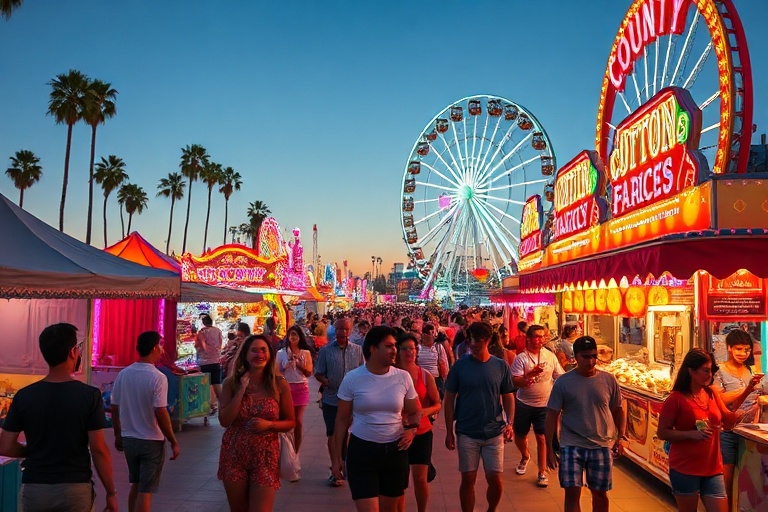
The LA County Fair has long been a cornerstone of Southern California’s cultural calendar, blending agricultural heritage with modern entertainment. As the event looks ahead to 2026, it’s poised to evolve while staying true to its roots, offering a platform that reflects both local identity and global trends. From farm-to-table culinary experiences to cutting-edge technology exhibits, the fair continues to adapt to the changing tides of consumer interest and community values.
This year’s edition is particularly significant as it coincides with a moment when regional fairs worldwide are reimagining their roles. In an era where digital experiences often overshadow physical gatherings, the LA County Fair remains a vital space for face-to-face connection. Its ability to balance nostalgia with innovation provides a model for similar events globally, proving that fairs can be more than just seasonal attractions—they can be incubators for cultural exchange and economic revitalization.
A Tradition Reimagined: The Fair’s Evolving Identity
The LA County Fair traces its origins to 1922, when it was established as an agricultural exposition to celebrate the region’s farming roots. Over the decades, it expanded to include carnival rides, live music, and food competitions, becoming a microcosm of Southern California’s diverse communities. By 2026, the fair’s organizers are placing a renewed emphasis on sustainability and inclusivity, reflecting broader societal shifts.
One of the most notable changes in the 2026 lineup is the introduction of a dedicated “Green Fair” section. This area will highlight eco-friendly innovations, from solar-powered rides to zero-waste food stalls. Organizers have partnered with local universities and environmental groups to create interactive exhibits that educate visitors on climate action. This aligns with California’s aggressive sustainability goals and sets a precedent for fairs across the U.S.
The fair’s agricultural roots remain central, but they’re being presented in fresh ways. The traditional livestock competitions now include a “Future Farmers” program, where young participants learn about regenerative farming techniques. This generational focus ensures that the fair’s original mission—educating the public about agriculture—remains relevant in an increasingly urbanized world.
Global Influences Meet Local Flavors
Los Angeles has always been a cultural melting pot, and the LA County Fair reflects this diversity in its programming. For 2026, the event will feature a “World Bazaar” section, showcasing international cuisines, crafts, and performances. Organizers have collaborated with diaspora communities to curate experiences that go beyond stereotypes, offering authentic representations of global cultures.
Visitors can expect to see:
- A Moroccan tea ceremony and cooking demonstrations, presented by local North African chefs.
- A Filipino cultural village with traditional dance performances and handcrafted jewelry workshops.
- An Indigenous Peoples’ Pavilion, featuring Native American artisans and storytelling sessions.
- A “Global Fusion” food truck park, where chefs reinterpret classic dishes with local ingredients.
This global lens isn’t just about entertainment—it’s a reflection of LA’s role as a gateway for international talent and trends. The fair’s ability to integrate these influences while maintaining a distinctly local identity makes it a unique event on the global fair circuit. Similar international showcases, like Germany’s Cannstatter Volksfest or Japan’s Awa Odori Festival, have drawn inspiration from LA’s approach, blending tradition with contemporary flair.
Culinary Innovation: From Farm to Fair
Food has always been a highlight of the LA County Fair, and 2026’s offerings promise to push boundaries. The fairgrounds will host a “Farm-to-Fair” marketplace, where small-scale California farmers and artisanal producers sell directly to consumers. This initiative supports local agriculture while giving visitors access to fresh, high-quality ingredients.
The culinary competitions have also evolved. The annual pie contest now includes a category for plant-based desserts, reflecting the growing demand for vegan options. Meanwhile, the “Street Food Showdown” invites vendors to experiment with fusion dishes, such as Korean-Mexican tacos or Indian-inspired burgers. These innovations mirror trends seen in global food capitals like Singapore and London, where hybrid cuisines are celebrated.
For those interested in the intersection of food and technology, the fair will feature a “Smart Farming” exhibit. Here, visitors can learn about hydroponics, drone pollination, and AI-driven crop monitoring—tools that are revolutionizing agriculture. This exhibit ties into a larger conversation about how technology can address food security, a topic of increasing importance worldwide.
Entertainment and Economic Impact
Beyond its cultural and educational offerings, the LA County Fair is a major economic driver for the region. In 2026, organizers anticipate over 1.2 million attendees, generating millions in revenue for local businesses. The fair’s concert series, which has featured acts ranging from country music stars to Latin pop sensations, remains a draw for both locals and tourists.
This year’s lineup includes a tribute to 1980s and 1990s hits, reflecting a nostalgia trend that’s sweeping global music scenes. However, the fair isn’t ignoring emerging talent. A new “Emerging Artists” stage will spotlight up-and-coming musicians from LA’s diverse neighborhoods, ensuring the event stays fresh and inclusive.
The fair also plays a crucial role in supporting the sports and recreation industries. The annual rodeo competitions draw competitors from across the country, while the fair’s archery and shooting ranges cater to enthusiasts of all skill levels. These events highlight the fair’s role as a hub for both professional and amateur athletes, reinforcing its status as a community pillar.
The Future of Fairs: Lessons from LA
As regional fairs worldwide face challenges from urbanization and digital distractions, the LA County Fair’s 2026 edition offers a blueprint for survival and growth. By embracing sustainability, global diversity, and culinary innovation, the event demonstrates how traditional gatherings can remain relevant in the 21st century.
Internationally, fairs like Italy’s Fiera del Cioccolato in Turin and South Africa’s Rand Show in Johannesburg have taken note of LA’s approach. These events are incorporating more interactive experiences, such as cooking classes and artisan workshops, to engage younger audiences. The LA County Fair’s success in balancing tradition with modernity suggests that the future of fairs lies in their ability to adapt without losing their core identity.
For Southern California, the fair is more than just an annual event—it’s a celebration of the region’s spirit. It’s a place where families gather, where cultures intersect, and where the past meets the future. As the LA County Fair approaches its 2026 edition, it stands as a testament to the enduring power of community-driven experiences in an increasingly fragmented world.
Whether you’re a longtime attendee or a first-time visitor, the fair offers something for everyone. From the thrill of the rides to the quiet moments of learning in the educational pavilions, it’s a reminder of why these gatherings have thrived for centuries—and why they’ll continue to do so for generations to come.