Lourdes: A Site of Pilgrimage, Healing, and Cultural Exchange
Nestled at the foot of the Pyrenees mountains in southwestern France, the town of Lourdes has become one of the most visited religious sites in the world. Known for its healing waters and Marian apparitions, Lourdes attracts millions of visitors annually, blending faith, history, and global culture. The sanctuary’s enduring appeal lies in its dual role as both a sacred pilgrimage destination and a crossroads for diverse communities seeking spiritual solace.
The origins of Lourdes as a place of significance trace back to 1858, when a young girl named Bernadette Soubirous reported visions of the Virgin Mary in a grotto near the town. These apparitions, later authenticated by the Catholic Church, transformed Lourdes into a focal point for Catholic devotion. Today, the Sanctuary of Our Lady of Lourdes encompasses 22 places of worship, including the iconic Basilica of the Rosary and the Upper Basilica, both perched above the grotto where the visions occurred.
The Spiritual and Healing Dimensions of Lourdes
Millions of pilgrims visit Lourdes each year, particularly during the annual travel season from April to October. Many come seeking physical healing, drawn by the belief that the waters of the Grotto’s spring possess miraculous properties. The Lourdes Medical Bureau, established in 1905, rigorously documents cases of healing, with 70 instances officially recognized as miracles by the Catholic Church. While the scientific community remains skeptical of supernatural explanations, the phenomenon of Lourdes continues to inspire awe and devotion.
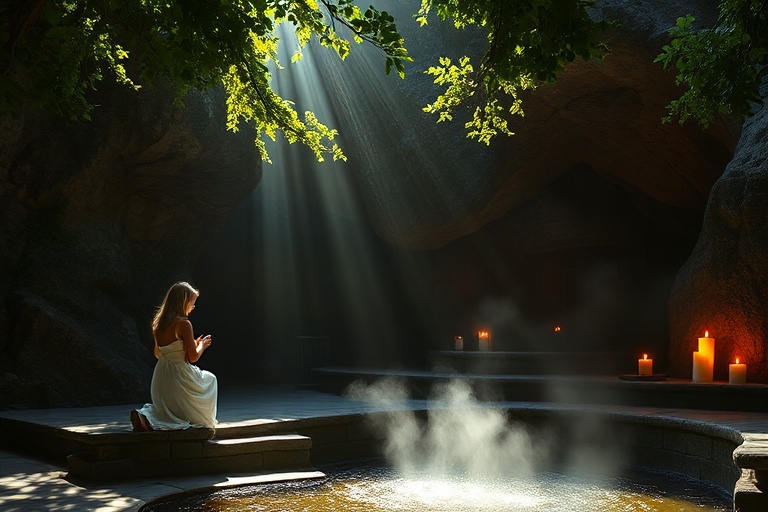
The ritual of bathing in the waters is central to the Lourdes experience. Pilgrims line up for hours, clutching white candles, to enter the baths where they immerse themselves in the icy waters. The process is as much about personal reflection as it is about seeking divine intervention. For many, the act of pilgrimage itself—traveling vast distances to participate in communal prayer and worship—is a transformative experience that transcends cultural and linguistic barriers.
Lourdes as a Global Crossroads
Beyond its religious significance, Lourdes functions as a vibrant cultural hub. Pilgrims arrive from every corner of the globe, creating a mosaic of languages, traditions, and rituals. The International Mass, held daily in the Basilica of the Rosary, is a testament to this diversity. Attendees from Poland, Italy, Spain, the Philippines, and beyond gather to celebrate Mass in their native tongues, their voices harmonizing in a chorus of faith.
The town’s infrastructure has evolved to accommodate this influx of visitors. Hospitals, hostels, and medical facilities cater specifically to pilgrims, while local markets brim with religious souvenirs, from rosary beads to bottles of Lourdes water. The annual entertainment scene in Lourdes also reflects its global character, with concerts, processions, and theatrical performances drawing both pilgrims and tourists.
A Site of Controversy and Criticism
Despite its widespread popularity, Lourdes has not escaped scrutiny. Skeptics question the legitimacy of the miracles attributed to the grotto’s waters, arguing that anecdotal evidence lacks scientific rigor. Psychologists and sociologists often analyze the phenomenon through the lens of collective belief and placebo effects, suggesting that the Lourdes experience is as much about psychological healing as it is about physical restoration.
Critics also highlight the commercialization of Lourdes, pointing to the proliferation of shops selling religious trinkets and the potential for exploitation of vulnerable pilgrims. The Catholic Church, however, maintains that the commercial aspects are secondary to the spiritual mission of Lourdes. The balance between devotion and commerce remains a delicate one, reflecting broader tensions in modern religious tourism.
Lourdes in the 21st Century: Enduring Legacy and Modern Challenges
In recent decades, Lourdes has faced new challenges. Declining church attendance in Western Europe has raised questions about the future of pilgrimage sites like Lourdes. Yet, the town continues to draw younger generations, particularly through organizations that blend faith with social justice initiatives. Volunteer groups from across Europe travel to Lourdes to assist pilgrims, fostering a sense of community that extends beyond religious boundaries.
The digital age has also reshaped the Lourdes experience. Websites and social media platforms now offer virtual tours of the sanctuary, allowing those unable to travel to participate in the rituals remotely. While these innovations expand access, they also risk diluting the deeply personal and communal aspects of pilgrimage. The challenge for Lourdes in the 21st century is to preserve its spiritual core while embracing modernity.
Why Lourdes Matters Today
Lourdes remains a powerful symbol of humanity’s search for meaning in an increasingly secular world. Its story is one of faith tested by time, of healing sought through both the divine and the communal, and of a place where cultures converge under the banner of shared belief. Whether viewed through the lens of religion, science, or sociology, Lourdes offers a window into the enduring human need for hope and connection.
For those who visit, Lourdes is more than a destination—it is an experience that lingers long after the pilgrimage ends. The town’s ability to adapt while staying true to its roots ensures that it will continue to captivate and inspire for generations to come.