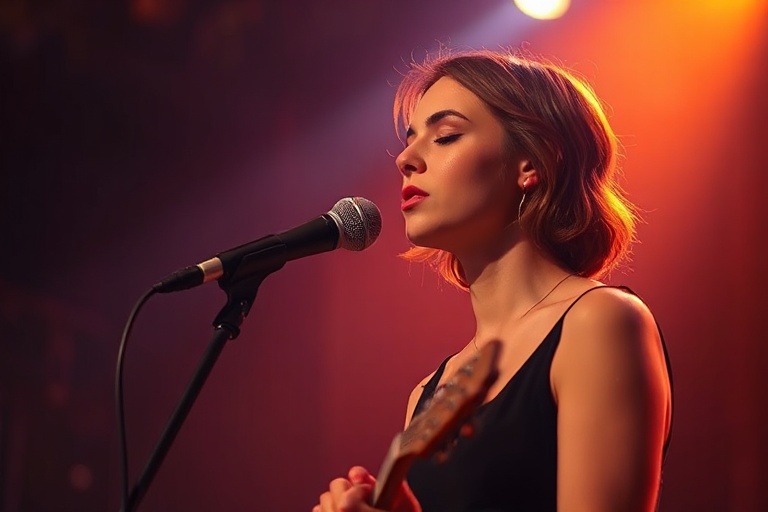
The Mia Show phenomenon began as a quiet corner of the internet before exploding into a cultural touchpoint across platforms like TikTok, Instagram Reels, and YouTube Shorts. It’s not just another viral trend—it’s a performance format that blends minimalism with emotional intensity, creating a space where vulnerability and creativity collide. What started as a handful of creators sharing short, intimate performances has evolved into a global movement, reshaping how audiences engage with live art and digital storytelling.
The format is deceptively simple: performers, often solo artists or small ensembles, present a piece in under three minutes, stripped of elaborate staging or production. Instead, the focus is on raw expression—whether through music, spoken word, dance, or hybrid performances. The term “Mia Show” itself is believed to derive from the Spanish word “mía,” meaning “mine,” signaling ownership of the moment, the voice, and the performance. It’s a reclaiming of narrative power in an era of curated perfection.
The Origins of the Mia Show
While the Mia Show gained widespread visibility in 2023 and 2024, its roots trace back to underground live music scenes and DIY performance spaces in cities like Mexico City, Berlin, and Los Angeles. Early adopters used the format to bypass traditional gatekeepers, sharing unfiltered performances directly with audiences. Social media algorithms, hungry for short-form content, amplified these posts, turning niche creators into overnight sensations.
One of the earliest viral examples came from a Mexican singer-songwriter who posted a raw, acoustic rendition of her original song in a dimly lit room. The video—no effects, no overdubs—struck a chord with viewers craving authenticity. Within days, similar clips appeared under the #MiaShow hashtag, creating a visual and emotional language all its own.
Key Characteristics of a Mia Show
- Time-bound: Strictly under three minutes to maintain intensity and engagement.
- Minimal production: No elaborate sets, costumes, or effects—just the performer and their art.
- Emotional core: Focus on vulnerability, storytelling, or social commentary.
- Platform-native: Designed for vertical video, optimized for mobile viewing.
- Creator-owned: No corporate branding or interference—just the artist’s voice.
The Cultural Impact of Mia Shows
The rise of the Mia Show reflects broader shifts in how we consume art and entertainment. In an era dominated by algorithmically enhanced content and AI-generated media, audiences are increasingly drawn to the imperfect, the human, and the unfiltered. Mia Shows offer a counterpoint to the glossy, hyper-produced content that floods social feeds. They remind viewers that creativity doesn’t require a big budget—just courage and conviction.
This format has also democratized performance. Musicians, poets, and dancers who might never have booked a traditional venue can now reach global audiences. The barrier to entry is low, but the emotional impact is high. For marginalized voices—especially women, LGBTQ+ creators, and artists from Global South countries—the Mia Show has become a tool for visibility and resistance.
In some regions, Mia Shows have even been adopted as a form of protest or social commentary. Performers use the format to address issues like gender inequality, political corruption, or climate change, delivering powerful messages in a digestible, shareable format. The brevity doesn’t dilute the impact; it intensifies it.
Why the Mia Show Resonates Now
Several factors explain the rapid rise of Mia Shows. First, the pandemic accelerated the demand for intimate, accessible art. As live events shut down, creators turned to digital platforms to connect with audiences. The Mia Show emerged as a natural evolution of that trend—a way to recreate the feeling of a live performance in a virtual space.
Second, attention spans have shortened. In a world of endless scrolling, three minutes is both a challenge and an invitation. It’s long enough to tell a story, but short enough to hold attention. The format rewards focus and punishes filler, creating a kind of artistic discipline that appeals to both creators and viewers.
Finally, the Mia Show aligns with the values of Gen Z and younger millennials, who prioritize authenticity, sustainability, and ethical consumption. There’s a rejection of the performative, polished aesthetic that defined earlier viral trends. Instead, there’s a hunger for something real—something that feels like it was made by and for real people.
The Future of Mia Shows
As the Mia Show continues to evolve, several trends are emerging. Some creators are experimenting with hybrid formats, blending live performances with digital effects to create something new. Others are using the format to launch full-length projects, using the initial video as a teaser to drive traffic to larger works.
There’s also potential for institutional adoption. Some galleries and cultural centers have begun hosting “Mia Show Nights,” live events where performers take the stage for short, curated sets. These events blend the intimacy of the digital format with the energy of a live audience, creating a hybrid experience that feels both modern and timeless.
Yet challenges remain. The rapid pace of the format can lead to burnout for creators, and the pressure to go viral may push some toward sensationalism rather than substance. There’s also the risk of the format becoming diluted as more creators adopt it without adding their own unique voice.
Still, the core appeal of the Mia Show—its emphasis on authenticity, brevity, and emotional honesty—suggests it’s more than a passing trend. It’s a reflection of our collective desire for connection in a fragmented world.
Tips for Aspiring Mia Show Creators
- Focus on a single, powerful idea—don’t try to cram too much into three minutes.
- Invest in audio quality. Even with minimal production, clear sound is non-negotiable.
- Embrace imperfection. The cracks in the performance are often what make it memorable.
- Use natural light and simple backgrounds to keep the focus on you and your art.
- Engage with your audience. Respond to comments, ask for feedback, and build a community around your work.
Conclusion: A Movement Built on Less
The Mia Show isn’t just a trend—it’s a quiet revolution in how we create, share, and consume art. In a digital landscape often defined by excess, it champions less: less production, less polish, less interference. What it offers instead is more: more emotion, more connection, more ownership.
As creators continue to push the boundaries of the format, the Mia Show will likely inspire new ways of thinking about performance, storytelling, and digital culture. It’s a reminder that sometimes, the most powerful art isn’t the one with the biggest budget or the most elaborate staging—it’s the one that comes straight from the heart.
For those looking to explore the Mia Show, the best place to start is by watching, creating, and sharing. The format thrives on participation, and every new creator adds to the richness of the movement. Whether you’re a musician, a poet, a dancer, or just someone with a story to tell, the Mia Show offers a stage—and an audience—waiting for you.
See how performers are redefining live art in the digital age. Explore the Music and Entertainment sections on Dave’s Locker for more on evolving performance trends and digital culture.