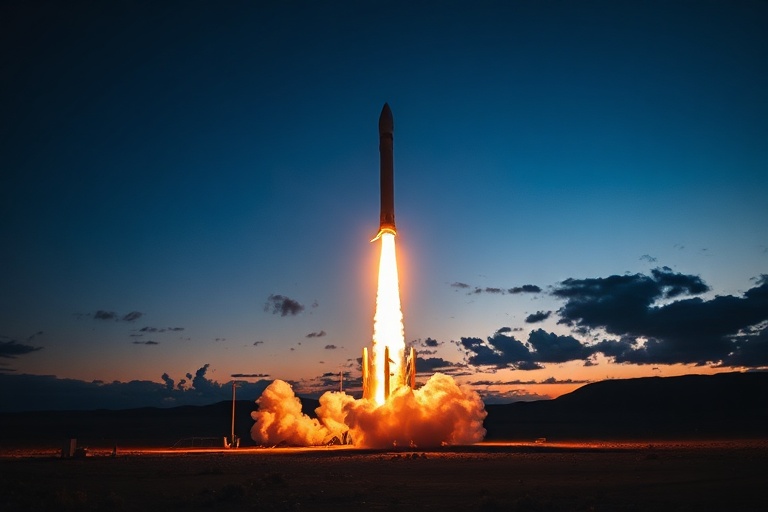
Missiles Explained: History, Technology, and Global Impact
Missiles have long been a cornerstone of modern military strategy, blending advanced engineering with geopolitical significance. From their origins in World War II to today’s hypersonic threats, these weapons represent both technological achievement and sobering deterrence. Their evolution reflects broader shifts in warfare, diplomacy, and international relations.
The term “missile” encompasses a wide range of projectile systems, each designed for specific roles. Ballistic missiles, cruise missiles, and anti-ship missiles serve distinct purposes, yet all share a common reliance on precision guidance and propulsion. Understanding these systems requires examining their technical foundations alongside their strategic implications.
The Evolution of Missile Technology
The development of missiles can be traced back to early 20th-century experiments with rocket propulsion. German scientists during World War II pioneered the first operational ballistic missile, the V-2, which laid the groundwork for post-war advancements. By the 1950s and 1960s, the Cold War accelerated missile development, with both the U.S. and Soviet Union deploying intercontinental ballistic missiles (ICBMs) capable of delivering nuclear warheads across continents.
Technological progress has since expanded missile capabilities. Modern systems feature inertial guidance, GPS, and even artificial intelligence for target acquisition. Hypersonic missiles, which travel at speeds exceeding Mach 5, represent the latest frontier, reducing reaction times and complicating defensive measures. These advancements underscore the relentless pace of innovation in military technology.
Key Milestones in Missile Development
- 1944: Germany deploys the V-2 rocket, the first long-range ballistic missile.
- 1957: The Soviet Union launches the R-7 Semyorka, the first ICBM.
- 1960s: The U.S. develops the Minuteman ICBM and submarine-launched ballistic missiles (SLBMs).
- 1980s: Introduction of cruise missiles like the Tomahawk, offering precision strikes at lower altitudes.
- 2010s: Hypersonic missile tests by Russia (Avangard), China (DF-17), and the U.S. (Hypersonic Air-breathing Weapon Concept).
Missiles in Modern Warfare
Today, missiles play a pivotal role in both conventional and asymmetric conflicts. Their versatility allows for rapid deployment against a variety of targets, from armored vehicles to command centers. The 1991 Gulf War demonstrated the effectiveness of precision-guided missiles, such as the U.S. Tomahawk, in neutralizing Iraqi defenses with minimal collateral damage.
In recent years, missiles have become central to regional conflicts. The war in Ukraine has seen widespread use of anti-tank missiles like the Javelin and anti-aircraft systems like the S-300. Meanwhile, tensions in the South China Sea have highlighted the strategic importance of anti-ship missiles, such as China’s DF-21D, which can target aircraft carriers from hundreds of miles away.
These examples illustrate how missiles have shifted from being tools of deterrence to active participants in combat. Their precision and lethality make them indispensable in modern military arsenals, yet their proliferation raises concerns about escalation and unintended consequences.
The Geopolitical Implications of Missile Proliferation
The spread of missile technology has transformed global security dynamics. Nations once reliant on traditional military power now invest heavily in missile development to counter perceived threats. North Korea’s missile tests, for instance, have drawn international condemnation while reinforcing its bargaining position in negotiations.
Missile proliferation also complicates arms control efforts. Treaties like the Intermediate-Range Nuclear Forces (INF) Agreement have collapsed, leaving a void in regulating missile deployments. The absence of such frameworks increases the risk of miscalculation and arms races, particularly in volatile regions like the Middle East and East Asia.
Moreover, non-state actors have shown interest in acquiring missile technology. While large-scale systems remain out of reach for most groups, smaller, improvised rockets have been used in conflicts from Syria to Yemen. This trend underscores the need for robust counter-proliferation measures and international cooperation.
Balancing Security and Stability
As missile technology advances, policymakers face a delicate balance between maintaining deterrence and avoiding destabilizing arms races. Diplomacy remains critical in preventing the unchecked spread of these weapons. Initiatives like the Missile Technology Control Regime (MTCR) aim to limit the transfer of sensitive missile-related technology, though their effectiveness varies.
Technological innovation also offers potential solutions. Missile defense systems, such as the U.S. Terminal High Altitude Area Defense (THAAD), seek to intercept incoming threats, though their deployment often sparks diplomatic tensions. Meanwhile, research into directed-energy weapons and hypersonic defenses may redefine the future of missile warfare.
Ultimately, the challenge lies in ensuring that missile technology serves as a deterrent rather than a catalyst for conflict. The lessons of history suggest that unchecked proliferation can lead to catastrophic outcomes, while responsible stewardship may pave the way for greater stability.
Conclusion
Missiles represent a fusion of human ingenuity and military necessity, evolving alongside the geopolitical landscape. Their development has reshaped warfare, diplomacy, and global security, presenting both opportunities and challenges. As technology continues to advance, the international community must navigate the complexities of deterrence, arms control, and conflict prevention.
For those interested in the broader implications of military technology, exploring related fields such as Technology and Analysis on Dave’s Locker can provide deeper insights. Understanding missiles is not merely an academic exercise; it is a vital component of comprehending the modern world.