Montgomery: Where History Meets Modern Innovation and Culture
Nestled along the Alabama River, Montgomery stands as a testament to resilience, cultural evolution, and Southern hospitality. From its pivotal role in the Civil Rights Movement to its growing reputation as a hub for aerospace innovation, this city offers layers of history and modernity that continue to shape its identity. Montgomery’s story is one of transformation, where the echoes of the past resonate through its architecture, museums, and daily life.
The city’s name itself carries historical weight. Named after General Richard Montgomery, an American Revolutionary War hero, the settlement began as a trading post in the 18th century. By the 19th century, Montgomery had become a key player in the antebellum South, serving as the first capital of the Confederacy in 1861. This dual legacy—both as a symbol of Southern tradition and a site of profound social change—remains a defining characteristic of the city today.
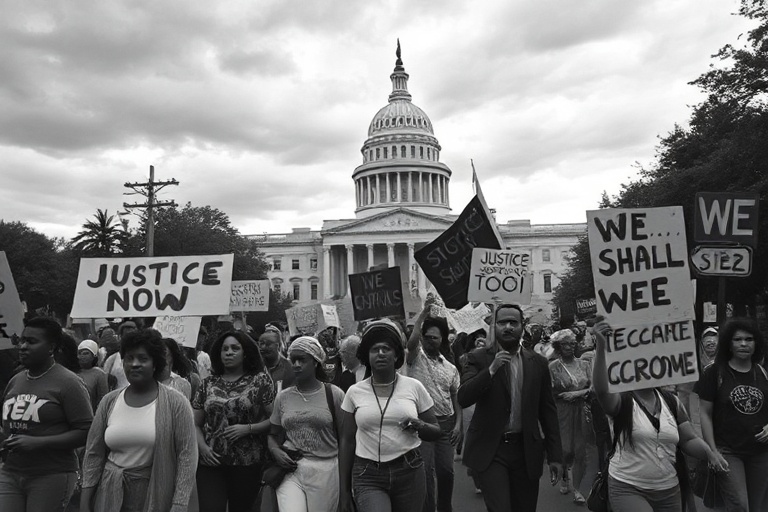
The Civil Rights Legacy: Where History Was Written
Montgomery is indelibly linked to the Civil Rights Movement. The city’s streets witnessed some of the most consequential events of the 20th century, from the Montgomery Bus Boycott of 1955 to the marches from Selma to Montgomery in 1965. These pivotal moments were not just local events but turning points that reshaped the nation’s approach to racial equality.
The Rosa Parks Museum, located on the campus of Troy University, serves as a poignant reminder of this era. Visitors can explore exhibits that detail the 381-day boycott that followed Parks’ arrest, a protest that ultimately led to the Supreme Court’s ruling against bus segregation. Nearby, the National Memorial for Peace and Justice (also known as the Lynching Memorial) stands as a solemn tribute to the victims of racial terror lynchings, offering a stark and necessary reflection on America’s darker chapters.
These sites are not merely historical markers; they are active spaces for education and dialogue. Montgomery’s commitment to preserving this legacy ensures that new generations understand the struggles and triumphs that define the city’s—and the country’s—past.
Aerospace and Innovation: The Next Frontier
While Montgomery’s history is deeply rooted in its past, the city is also looking toward the future. Home to Maxwell Air Force Base and a burgeoning aerospace industry, Montgomery has positioned itself as a key player in aviation and defense. The Maxwell-Gunter Air Force Base, in particular, is a major economic driver, supporting thousands of jobs and fostering technological advancements.
The city’s aerospace sector is not limited to military applications. Montgomery is also home to the Alabama Aviation Hall of Fame, which celebrates the contributions of aviators from the state. Additionally, the Montgomery Regional Airport has become a hub for cargo and commercial flights, further solidifying the city’s role in the global aviation network.
Innovation extends beyond aerospace. Montgomery’s tech scene is growing, with co-working spaces and startups beginning to take root. The city’s universities, including Alabama State University and Auburn University at Montgomery, are producing graduates who are contributing to this evolving landscape. This blend of tradition and innovation creates a unique dynamic, where the old and new coexist in a way that few cities can match.
Cultural Riches: Arts, Music, and Culinary Traditions
Montgomery’s cultural scene is as diverse as its history. The city has long been a melting pot of African American, Native American, and European influences, all of which are reflected in its arts, music, and cuisine. The Alabama Shakespeare Festival, one of the largest Shakespeare festivals in the world, attracts theater enthusiasts from across the country. Meanwhile, the Montgomery Museum of Fine Arts showcases works by Southern artists, offering a glimpse into the region’s creative spirit.
Music is another cornerstone of Montgomery’s cultural identity. The city has produced legendary musicians, including Nat King Cole and Hank Williams, whose legacies are celebrated in venues like the Capri Theatre, a historic movie palace turned performance space. The annual Alabama Jazz & Blues Festival draws crowds eager to experience the soulful sounds that have long defined the city’s musical heritage.
No exploration of Montgomery’s culture would be complete without mentioning its culinary traditions. Southern comfort food is a staple, with dishes like fried catfish, collard greens, and pecan pie drawing locals and visitors alike. The city’s food scene also reflects its diversity, with influences from across the globe. From soul food joints to upscale restaurants, Montgomery offers a taste of tradition and innovation in every bite.
Green Spaces and Urban Revival
Montgomery’s commitment to preserving its natural beauty is evident in its numerous parks and green spaces. The 320-acre Montgomery Zoo & Mann Wildlife Learning Museum provides a family-friendly escape, while the 50-acre Blount Cultural Park is home to the Alabama Shakespeare Festival and the Montgomery Museum of Fine Arts. These spaces offer residents and tourists a chance to reconnect with nature amid the city’s urban landscape.
The city’s downtown area has also seen a revitalization in recent years. Historic buildings have been repurposed into lofts, offices, and retail spaces, creating a vibrant mix of old and new. The Alabama Department of Archives and History, located in downtown Montgomery, is a prime example of this revival. Housed in a striking Art Deco building, the archives preserve and present the state’s history in a way that is both accessible and engaging.
Urban renewal projects have also focused on improving infrastructure and public spaces. The Riverwalk, a scenic trail along the Alabama River, has become a popular destination for walking, biking, and enjoying the city’s skyline. These efforts reflect Montgomery’s dedication to enhancing quality of life while honoring its heritage.
Looking Ahead: Montgomery’s Place in the World
Montgomery’s story is far from over. The city continues to evolve, balancing its rich history with the demands of the 21st century. Its strategic location, diverse economy, and commitment to education and culture position it as a city on the rise. Whether through its role in aerospace innovation, its contributions to the arts, or its ongoing dialogue about history and progress, Montgomery remains a city of significance.
For those who visit or call Montgomery home, the city offers more than just a glimpse into the past—it provides a living, breathing experience. A place where history is not confined to textbooks but is felt in the streets, tasted in the food, and heard in the music. Montgomery invites exploration, reflection, and discovery, making it a destination worth experiencing.
As the city moves forward, it does so with a clear sense of purpose. Montgomery is not just a relic of the past; it is a dynamic, forward-thinking community that continues to shape its own narrative. In a world where many cities struggle to reconcile their histories with their futures, Montgomery stands out as a model of how to embrace both with pride and progress.