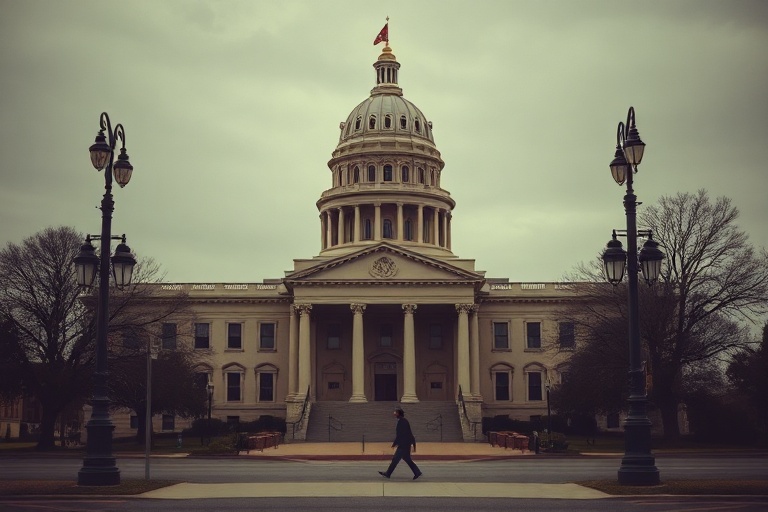
montgomery
Montgomery: A City of Contrasts and Cultural Riches
Montgomery, Alabama, often overshadowed by larger Southern cities, stands as a testament to resilience and historical depth. With roots stretching back to the early 19th century, this city has evolved from a pivotal slave-trading hub into a symbol of civil rights progress. Today, Montgomery blends its complex past with a vibrant present, offering visitors and residents a unique lens into American history and culture.
The city’s name honors General Richard Montgomery, a Revolutionary War hero, but its legacy is far more layered. From the Civil Rights Movement to the literary genius of Zelda Fitzgerald, Montgomery’s influence extends beyond its borders. Its blend of antebellum architecture, modern art, and soulful music creates a cultural tapestry that invites exploration.
The Civil Rights Legacy That Shaped a Nation
Montgomery is indelibly tied to the Civil Rights Movement, a fact that draws historians, activists, and curious travelers alike. The city was the epicenter of pivotal events, including the Montgomery Bus Boycott of 1955–56, sparked by Rosa Parks’ refusal to surrender her bus seat to a white passenger. This protest, led by a young Martin Luther King Jr., became a defining moment in the fight for racial equality.
The cultural landmarks of this era are preserved with reverence. The Rosa Parks Museum, located on the campus of Troy University, uses interactive exhibits to immerse visitors in the boycott’s narrative. Nearby, the Dexter Avenue King Memorial Baptist Church, where King once preached, remains a site of pilgrimage. These spaces are not just relics; they are living classrooms that challenge visitors to reflect on progress and its ongoing costs.
Montgomery’s commitment to preserving this history is evident in its annual Montgomery Bus Boycott Reenactment, a community-driven event that brings history to life. The city also hosts the National Center for the Study of Civil Rights and African-American Culture, a research hub that fosters dialogue on racial justice. These initiatives ensure that Montgomery’s role in history is neither forgotten nor romanticized.
A Hub of Literary and Musical Innovation
Beyond its civil rights significance, Montgomery has nurtured some of America’s most celebrated artists. The city is the birthplace of Zelda Sayre Fitzgerald, the flamboyant and tragic muse of F. Scott Fitzgerald. Her life, marked by creativity and turmoil, is celebrated at the Zelda Fitzgerald Museum, the only museum dedicated to her legacy. The museum explores her influence on 1920s literature and her complicated relationship with her husband’s fame.
Montgomery’s musical contributions are equally profound. The city is part of the Chitlin’ Circuit, a network of performance venues that provided Black musicians with safe spaces during segregation. Legends like Nat King Cole and Ray Charles graced Montgomery’s stages, leaving an indelible mark on blues, jazz, and soul music. Today, the Alabama Jazz Hall of Fame honors these pioneers, while venues like the Davis Theatre for the Performing Arts continue to host live performances.
For those interested in the intersection of music and history, Montgomery offers a music scene that is both nostalgic and forward-thinking. The city’s annual Alabama Shakespeare Festival also highlights Montgomery’s cultural diversity, blending classical theater with contemporary works. This festival attracts artists and audiences from across the globe, reinforcing Montgomery’s role as a cultural crossroads.
The Culinary Soul of the South
No exploration of Montgomery would be complete without indulging in its culinary traditions. Southern cuisine here is more than comfort food; it’s a reflection of the city’s layered history and cultural exchange. Montgomery’s food scene is a mosaic of African, Native American, and European influences, each dish telling a story.
Start with a classic breakfast at Chris’ Hot Dogs, a Montgomery institution since 1917. Their chili dogs, topped with mustard, onions, and a secret blend of spices, are a rite of passage for locals and visitors alike. For a taste of soul food, Saw’s Soul Kitchen delivers fried chicken, collard greens, and cornbread that harks back to grandmothers’ kitchens. The restaurant’s casual atmosphere belies its Michelin Bib Gourmand recognition, a testament to its authenticity.
Montgomery’s culinary diversity extends to its international influences. The Riverside Restaurant, perched along the Alabama River, offers a fusion of Southern and Cajun flavors, with dishes like gumbo and shrimp po’boys gracing its menu. Meanwhile, food trucks like El Camino bring modern twists to Mexican street food, reflecting the city’s growing immigrant communities.
For those seeking a deeper dive, Montgomery’s Alabama Farmers Market showcases local produce, artisanal cheeses, and homemade preserves. The market is a microcosm of the city’s agricultural roots and its embrace of farm-to-table dining. Whether you’re a foodie or a casual diner, Montgomery’s culinary landscape promises a journey through taste and tradition.
Montgomery’s Place in the Global Conversation
Montgomery’s significance extends beyond Alabama’s borders, resonating in global discussions about race, art, and resilience. The city’s museums and cultural institutions have hosted international scholars, artists, and activists, fostering cross-cultural exchanges. For instance, the Montgomery Museum of Fine Arts features a collection that spans centuries and continents, from European landscapes to contemporary African American art.
Montgomery’s story also intersects with global movements for justice. The city has been a stop on international delegations studying civil rights and reconciliation. In 2020, the opening of the Legacy Museum and the National Memorial for Peace and Justice (often called the Lynching Memorial) drew visitors from over 40 countries. These sites confront the nation’s history of racial terror and position Montgomery as a place of reckoning rather than avoidance.
The city’s universities, including Alabama State University and Auburn University at Montgomery, also contribute to its global perspective. These institutions attract students from around the world, fostering a blend of local and international ideas. Montgomery’s education sector is a bridge between the American South and the wider world, shaping the next generation of leaders and thinkers.
A City Reimagining Itself
Montgomery today is a city in transition, balancing preservation with innovation. Its downtown is undergoing a renaissance, with new restaurants, breweries, and co-working spaces breathing life into historic buildings. The Alabama Power Building, once a corporate monolith, now houses a mix of tech startups and creative agencies, signaling a shift toward a more diversified economy.
Yet, Montgomery’s growth is not without challenges. Like many Southern cities, it grapples with issues of economic disparity and educational access. However, grassroots organizations and local leaders are working to address these gaps. Initiatives like the Montgomery Education Foundation aim to improve public schools, while nonprofits like Montgomery Area Habitat for Humanity tackle housing insecurity.
The city’s future is being written by its residents, who are reclaiming Montgomery’s narrative with pride. From the Montgomery Pride Festival, which celebrates LGBTQ+ visibility, to the Alabama Dance Theatre, which fosters local talent, Montgomery is embracing a more inclusive vision of itself. This evolution reflects a broader trend in the American South, where cities are redefining their identities beyond historical stereotypes.
For travelers, Montgomery offers an experience that is both enlightening and enriching. It’s a place where history is not confined to textbooks but is alive in the streets, the food, and the people. Montgomery invites visitors to listen, learn, and leave with a deeper understanding of America’s complexities.
Why Montgomery Matters
Montgomery’s story is a reminder that history is not a static monument but a living, breathing entity. The city challenges visitors to confront uncomfortable truths while celebrating the resilience of those who fought—and continue to fight—for justice. It’s a destination for those who seek more than just a vacation; it’s a pilgrimage for the curious and the compassionate.
In a time when many cities are homogenizing, Montgomery retains its distinct character. Its blend of history, art, and soul food creates a sensory experience that lingers long after departure. Whether you’re drawn by the echoes of the Civil Rights Movement, the allure of Southern cuisine, or the rhythm of live jazz, Montgomery delivers an unforgettable journey.
As the city continues to evolve, one thing remains clear: Montgomery’s voice is worth hearing. It’s a story of struggle, triumph, and reinvention—a testament to the power of place and the people who call it home.