The MV Hondius Incident: Tracking a Rare Maritime Hantavirus Outbreak
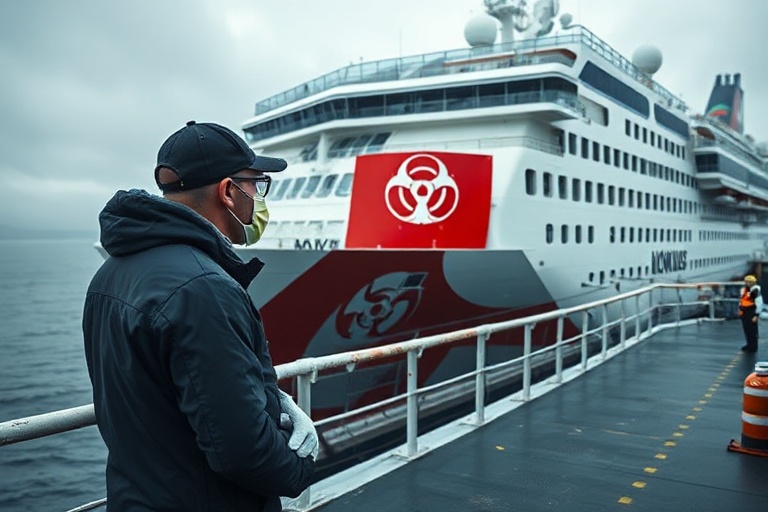
The MV Hondius, a luxury expedition cruise ship operating in polar regions, became the center of an international health alert in early 2024. Reports confirmed a cluster of hantavirus cases among passengers and crew, prompting swift action from global health authorities. This incident highlights the growing intersection between tourism, environmental change, and emerging infectious diseases.
The outbreak occurred during a voyage to the Antarctic Peninsula, a region experiencing rapid ecological transformation due to climate change. While hantavirus is typically associated with rodent-borne transmission in terrestrial environments, its appearance on a vessel underscores the adaptability of zoonotic pathogens in novel settings. Investigations suggest contaminated ship supplies or infected rodents stowing away on board may have played a role.
Understanding Hantavirus: Transmission and Symptoms
Hantaviruses are a family of viruses primarily spread through contact with infected rodents or their excreta. Humans typically contract the virus through inhalation of aerosolized particles from rodent urine, feces, or saliva. While most hantaviruses are not contagious between people, Andes virus—a strain detected in some cases—can spread through close contact or respiratory droplets.
Symptoms of hantavirus infection vary but often begin with flu-like signs: fever, muscle aches, and fatigue. In severe cases, the virus can progress to hantavirus pulmonary syndrome (HPS), which causes life-threatening respiratory failure. Early diagnosis is critical, as the disease can deteriorate rapidly. According to the U.S. Centers for Disease Control and Prevention, the overall mortality rate for HPS exceeds 30% without prompt medical intervention.
The MV Hondius outbreak involved multiple confirmed and suspected cases, with passengers and crew reporting symptoms after the voyage. Health authorities traced the origin to a contaminated storage area on the ship, where rodent activity had been previously noted. This incident serves as a stark reminder that even remote environments are not immune to biological risks.
A Global Cruise Industry Under Scrutiny
The tourism industry, particularly expedition cruises to fragile ecosystems, faces intensified scrutiny in the wake of this outbreak. Luxury vessels like the MV Hondius cater to adventurous travelers seeking pristine destinations, yet such journeys often traverse regions where human-wildlife interactions are poorly regulated. The Antarctic Treaty System, which governs activity on the continent, has protocols for environmental protection—but biosecurity measures remain inconsistent.
In response to the MV Hondius incident, the International Association of Antarctica Tour Operators (IAATO) issued updated guidelines for member vessels. Recommendations include enhanced rodent inspections, mandatory pre-embarkation health screenings, and improved waste management protocols. These measures aim to mitigate the risk of zoonotic spillover events in isolated environments.
Industry experts warn that climate change is further complicating these challenges. As polar ice recedes, new shipping routes open, and rodent populations shift, the likelihood of pathogen introductions rises. A 2023 study published in Nature Climate Change noted that warming temperatures in the Arctic and Antarctic could expand the habitats of rodent species carrying hantavirus and other pathogens.
Public Health Response: Lessons from the MV Hondius Outbreak
Global health agencies, including the World Health Organization (WHO) and the European Centre for Disease Prevention and Control (ECDC), coordinated a rapid response to the MV Hondius incident. Contact tracing, quarantine protocols, and vessel sanitation became immediate priorities. The episode also sparked discussions about the need for standardized reporting systems for infectious disease outbreaks on maritime vessels.
One key lesson emerged: the importance of real-time data sharing. Historically, maritime outbreaks have been underreported due to the transient nature of ship-based populations. The MV Hondius case demonstrated how digital health surveillance tools—such as the WHO’s Disease Outbreak News platform—can facilitate transparency and coordination.
Public health officials also emphasized the role of travelers in disease prevention. Passengers embarking on expedition cruises should prioritize awareness of potential health risks, including rodent exposure. Simple precautions—such as inspecting cabin spaces, avoiding contact with wildlife, and practicing hand hygiene—can significantly reduce risk.
Cultural and Economic Implications: Tourism in the Age of Emerging Pathogens
The MV Hondius outbreak has broader cultural and economic implications for the expedition cruise industry. Antarctica, in particular, has seen a surge in tourism, with over 100,000 visitors annually. While these voyages contribute to local economies and conservation efforts, they also raise ethical questions about exploitation and risk distribution.
Local operators in Ushuaia, Argentina—the primary departure point for Antarctic cruises—reported a temporary dip in bookings following the outbreak. However, demand rebounded within weeks as reassurances about enhanced safety measures were communicated. This pattern reflects a larger trend: travelers often prioritize adventure over caution, even in the face of documented risks.
Culturally, the incident has fueled debates about the ethics of mass tourism in fragile ecosystems. Critics argue that expedition cruises, despite their educational value, may inadvertently accelerate ecological degradation and pathogen transmission. Advocates counter that responsible tourism can foster conservation awareness and fund critical research.
Looking Ahead: Strengthening Biosecurity in a Changing World
The MV Hondius hantavirus outbreak serves as a cautionary tale for the travel industry and global health community. As human activity encroaches on previously isolated ecosystems, the risk of novel pathogen spillovers increases. Addressing this challenge requires a multifaceted approach:
- Enhanced Surveillance: Implementing real-time monitoring systems for rodent activity and zoonotic diseases on ships and in remote regions.
- Regulatory Alignment: Harmonizing biosecurity standards across international maritime and tourism organizations to ensure consistent protocols.
- Public Education: Raising awareness among travelers about health risks and preventive measures, particularly in high-risk environments.
- Climate Adaptation: Integrating climate projections into biosecurity planning to anticipate shifting wildlife patterns and disease dynamics.
For the cruise industry, the MV Hondius incident underscores the need for proactive risk management. Companies must invest in advanced sanitation technologies, crew training, and emergency response plans to safeguard passengers and crew. Failure to do so could result in reputational damage, legal liabilities, and, most critically, preventable loss of life.
The outbreak also highlights the interconnectedness of global health systems. A pathogen detected in Antarctica today could become a global concern tomorrow. This reality demands collaboration between scientists, policymakers, and industry stakeholders to build resilient systems capable of detecting and responding to emerging threats.
A Final Thought: Balancing Adventure and Responsibility
Expedition cruises like those operated by the MV Hondius offer unparalleled opportunities to witness the natural world’s wonders. Yet, with these experiences come responsibilities—both for operators and travelers. The hantavirus outbreak is a reminder that adventure should never come at the expense of safety or ecological integrity.
As the world grapples with climate change and biodiversity loss, the lessons from the MV Hondius incident are clear. Innovation, vigilance, and cooperation are essential to ensuring that exploration does not inadvertently endanger the very environments we seek to protect.