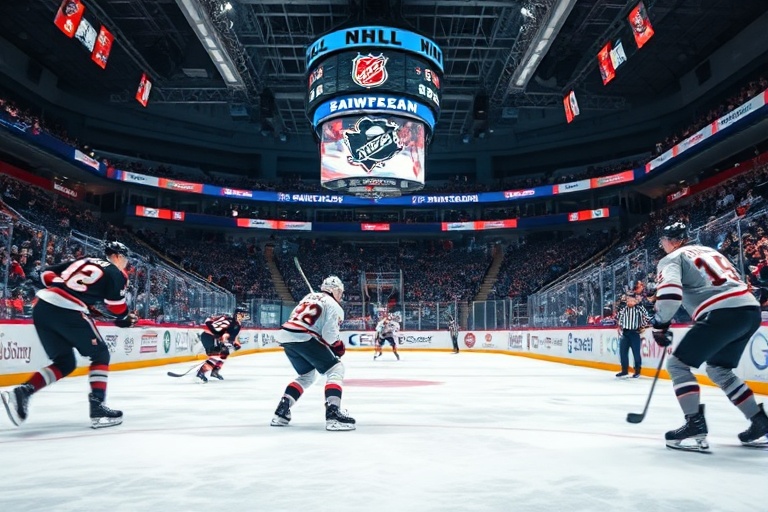
The National Hockey League has long stood as a pillar of professional sports in North America, blending raw athleticism with strategic depth. Founded in 1917, the league has grown from a modest six-team operation into a global spectacle featuring 32 franchises, each contributing to the game’s rich tapestry. With its blend of tradition and innovation, the NHL continues to captivate millions of fans annually, both in-person and through digital platforms.
The league’s appeal lies not only in its on-ice action but also in its cultural resonance. From the frozen ponds of Canada to the arenas of the United States, hockey fosters community and passion unlike few other sports. Whether it’s the intensity of a playoff series or the camaraderie of a local youth league, the NHL’s influence extends far beyond the rink.
The Structure and Growth of the Modern NHL
The NHL’s organizational framework has evolved significantly since its inception. Today, the league is divided into two conferences—the Eastern and Western—each containing two divisions. This structure ensures a balanced schedule and competitive parity, though realignment over the years has sparked both praise and controversy.
One of the most notable changes in recent decades has been the league’s expansion. The NHL has strategically added franchises in non-traditional markets, such as Las Vegas, Seattle, and Arizona, aiming to grow the sport’s footprint. While some expansions have flourished, others have faced challenges, highlighting the complexities of cultivating new hockey markets.
The NHL’s revenue model has also transformed, driven by lucrative television deals and sponsorship growth. Networks like ESPN and TNT have invested heavily in broadcasting rights, bringing games to a wider audience. Additionally, the league’s partnership with digital platforms has made highlights and live streams more accessible than ever, further expanding its reach.
The Impact of Expansion Teams
Expansion teams have played a pivotal role in the NHL’s evolution. The Vegas Golden Knights, for instance, made an immediate splash upon their 2017 debut, reaching the Stanley Cup Final in their inaugural season. Their success demonstrated the potential for new markets to embrace hockey, even in regions where the sport was previously less dominant.
In contrast, teams like the Arizona Coyotes have faced financial and attendance struggles, raising questions about long-term viability in certain markets. These disparities underscore the importance of strong ownership, community support, and strategic planning in sustaining NHL franchises.
The Game on Ice: What Makes NHL Hockey Unique
NHL hockey is defined by its speed, physicality, and unpredictability. Players glide across the ice at breathtaking velocities, executing plays with precision while navigating the league’s strict rules on body contact. The game’s three-period structure adds a layer of endurance, testing both stamina and mental fortitude.
The sport’s tactical depth is another hallmark. Coaches employ complex systems, from aggressive forechecking to disciplined defensive structures, each designed to exploit opponents’ weaknesses. The power play and penalty kill are prime examples, where split-second decisions can shift momentum in an instant.
Moreover, the NHL’s officiating has adapted to modern expectations. The league has emphasized consistency in rule enforcement, particularly regarding goaltender interference and offside calls. These adjustments aim to preserve the game’s integrity while adapting to its evolving pace.
The Role of Goaltending
Goaltenders occupy a unique position in hockey, often serving as the last line of defense and the first spark of a counterattack. Modern netminders combine reflexes with positional awareness, using advanced techniques to stifle scoring chances. The rise of analytics has further refined their role, with teams prioritizing goaltending in both free agency and the draft.
Legendary goaltenders like Dominik Hašek and Patrick Roy redefined the position, blending athleticism with unorthodox styles. Today, players such as Andrei Vasilevskiy and Igor Shesterkin continue that legacy, proving that goaltending remains as critical as ever in determining championship outcomes.
The Business Behind the Puck: Economics and Innovation
The NHL operates as both a sports league and a business enterprise. Revenue streams include ticket sales, merchandise, and broadcasting rights, with the league distributing earnings among its 32 teams. However, disparities in market size and revenue-sharing policies have led to ongoing debates about competitive balance.
Innovation has also shaped the NHL’s commercial landscape. The league has embraced technology, from real-time player tracking to immersive fan experiences. The NHL Edge system, for example, provides data-driven insights that enhance broadcasts and engage audiences. Meanwhile, social media platforms have become vital tools for teams to connect with fans, offering behind-the-scenes content and interactive features.
Challenges and Opportunities
The NHL faces several challenges, including concussion protocols and player safety. The league has taken steps to mitigate risks, such as stricter enforcement of boarding and charging penalties. However, debates persist about the long-term effects of head injuries and the need for further reforms.
On the flip side, the NHL has opportunities to expand globally. Games in Europe and Asia have gained traction, and initiatives like the NHL Global Series aim to grow the sport internationally. Additionally, the league’s partnership with the International Ice Hockey Federation (IIHF) strengthens ties with other hockey nations.
The Fan Experience: From Arenas to Digital Worlds
For fans, the NHL offers a multifaceted experience. Attending a game in person immerses spectators in the roar of the crowd, the scent of popcorn, and the spectacle of a breakaway goal. Arenas like Madison Square Garden and the Bell Centre are iconic venues, each with its own history and atmosphere.
However, not all fans can attend games regularly. The NHL has responded by enhancing its digital presence. The NHL Network, YouTube highlights, and mobile apps provide round-the-clock access to games and content. Fantasy hockey has also surged in popularity, allowing fans to engage deeply with the sport beyond the rink.
Community and Grassroots Initiatives
The NHL’s commitment to community extends beyond the game. Programs like the NHL Foundation and Hockey Fights Cancer support charitable causes, while youth initiatives promote inclusivity and accessibility. The league’s partnership with the NHL Alumni Association ensures former players remain engaged in the sport’s growth.
Grassroots efforts, such as street hockey programs and girls’ hockey leagues, are vital to cultivating the next generation of players. These initiatives not only develop talent but also foster a lifelong love for the game.
Looking Ahead: The Future of the NHL
The NHL stands at a crossroads, balancing tradition with innovation. The league’s future hinges on several key factors, including expansion, technology, and fan engagement. With potential new markets on the horizon and advancements in broadcasting, the NHL is poised to reach even greater heights.
Yet, challenges remain. Ensuring player safety, maintaining competitive balance, and growing the sport globally require ongoing commitment. The NHL’s ability to adapt will determine its relevance in an ever-changing sports landscape.
As the league celebrates its centennial and beyond, one thing is clear: NHL hockey will continue to captivate audiences with its blend of speed, skill, and passion. Whether you’re a die-hard fan or a casual observer, the excitement of the game is undeniable.
For those looking to dive deeper into the world of hockey, explore our News and Analysis sections for the latest updates and thoughtful commentary.
One thing is certain: the NHL’s journey is far from over. As new stars emerge and traditions evolve, the league will continue to write its story, one puck drop at a time.