Oil Tankers: The Global Lifelines of Energy and Their Hidden Costs
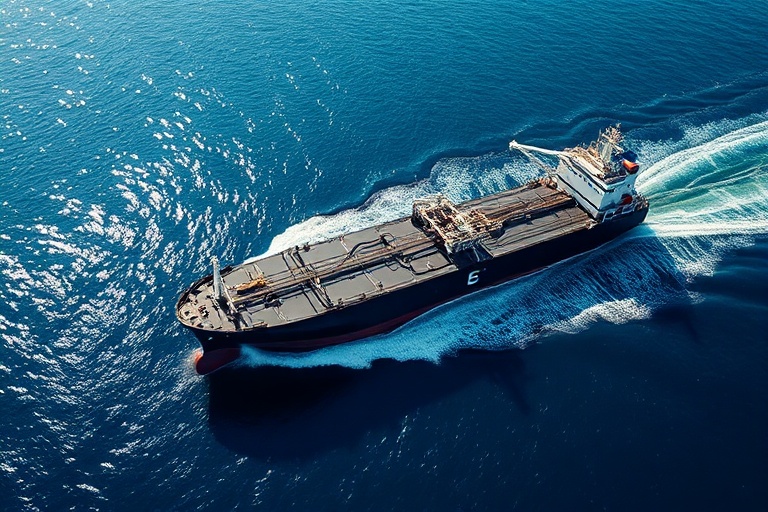
Oil tankers move silently across the world’s oceans, carrying the lifeblood of modern civilization. These colossal vessels transport millions of barrels of crude oil and refined products every day, ensuring that gas stations remain stocked, factories keep running, and homes stay warm. Yet despite their critical role, oil tankers rarely capture public attention—until something goes wrong.
The industry operates in the shadows of global logistics, connecting oil-rich nations with energy-dependent economies. From the Persian Gulf to the ports of Rotterdam, tankers form an invisible network that sustains industries ranging from automotive manufacturing to aviation. Understanding their function, challenges, and environmental impact reveals a complex system that balances economic necessity with ecological responsibility.
The Anatomy of a Floating Pipeline
Oil tankers are not merely large ships; they are precision-engineered vessels designed to transport hazardous liquids across some of the world’s most treacherous waters. Their structure reflects a blend of engineering prowess and regulatory oversight. The largest tankers, known as ultra-large crude carriers (ULCCs), can stretch over 400 meters—longer than four football fields—and carry more than 2 million barrels of oil.
The modern tanker fleet consists of several specialized types:
- VLCCs (Very Large Crude Carriers): Typically carry 200,000 to 320,000 deadweight tons (DWT) of crude oil.
- ULCCs (Ultra Large Crude Carriers): The giants of the fleet, exceeding 320,000 DWT.
- Suezmax Tankers: Sized to transit the Suez Canal, carrying up to 200,000 DWT.
- Aframax Tankers: Named after the Average Freight Rate Assessment, these vessels handle 80,000 to 120,000 DWT.
- Product Tankers: Smaller vessels designed to transport refined products like gasoline and diesel.
The interior of a tanker is divided into multiple cargo holds, each separated by watertight bulkheads. These compartments minimize free surface effect—a phenomenon where liquid sloshing can destabilize the ship. Modern tankers also incorporate double hulls, a design mandated after disasters like the Exxon Valdez spill in 1989. This innovation reduces the risk of oil leakage during groundings or collisions.
The Geopolitics of Oil Transportation
The movement of oil tankers is governed as much by geography as by economics. The world’s most critical chokepoints—narrow waterways where traffic is dense and risks are high—shape global energy security. The Strait of Hormuz, for instance, sees roughly 20% of the world’s oil pass through its waters daily. A single disruption here could send shockwaves through energy markets.
Several key routes dominate the tanker trade:
- Middle East to Asia: The dominant route, with China and India importing millions of barrels annually.
- Transatlantic Routes: Connecting the U.S. Gulf Coast with European refineries.
- Russian Exports: Tankers carry Siberian crude to China and Europe, despite geopolitical tensions.
- West African Shipments: Nigerian and Angolan oil flows primarily to the U.S. and China.
These routes are not just logistical pathways; they are geopolitical pressure points. Sanctions, piracy, and regional conflicts can reroute entire fleets overnight. For example, when Russia invaded Ukraine in 2022, Western nations imposed sanctions on Russian oil, forcing tankers to shift routes and driving up global shipping rates. The incident highlighted the fragility of the tanker network and its vulnerability to political decisions.
Environmental Costs and the Push for Sustainability
The environmental toll of oil tankers extends far beyond high-profile spills. While modern vessels are safer than their predecessors, the industry remains a significant contributor to marine pollution. Ballast water discharge, operational spills, and the carbon emissions from these massive ships all contribute to ecological degradation.
Shipping accounts for nearly 3% of global greenhouse gas emissions—a figure that could rise as other industries decarbonize. In response, the International Maritime Organization (IMO) has set ambitious targets, including a 50% reduction in greenhouse gas emissions by 2050 compared to 2008 levels. The industry is exploring several solutions:
- Alternative Fuels: Liquefied natural gas (LNG) and hydrogen are being tested as cleaner options.
- Wind-Assisted Propulsion: Rotor sails and kite systems reduce fuel consumption.
- Slow Steaming: Operating at reduced speeds cuts emissions but extends voyage times.
- Carbon Capture: Experimental systems aim to capture CO2 emissions onboard.
Yet technological innovation alone cannot solve the problem. The global demand for oil remains robust, particularly in developing economies where industrialization and urbanization drive energy consumption. Balancing economic growth with environmental stewardship will require coordinated action from governments, corporations, and consumers alike.
The Human Element: Crews in a High-Stakes Industry
Behind every tanker voyage is a crew of sailors who operate in one of the most regulated yet hazardous professions at sea. Tanker crews face unique challenges, from the physical demands of handling heavy cargo to the psychological strain of long voyages in isolation. A typical crew might include captains, engineers, deckhands, and specialized roles like cargo surveyors who ensure safe loading and unloading.
Working conditions have improved over the years, but challenges persist. Many tanker crews are employed by international shipping companies, often navigating labor laws and wage disparities across different jurisdictions. Fatigue remains a critical issue, as crew members work extended shifts in high-pressure environments. The COVID-19 pandemic exacerbated these challenges, leaving thousands of sailors stranded at sea due to travel restrictions and port closures.
Despite these hardships, the tanker industry continues to attract workers motivated by adventure, competitive wages, and the chance to contribute to the global economy. Training programs and technological advancements, such as automated cargo systems, are gradually improving safety and efficiency. However, the human element remains indispensable in an industry where precision and vigilance can mean the difference between a routine voyage and a catastrophic spill.
The Future of Oil Tankers: Between Necessity and Transition
The long-term future of oil tankers is uncertain. As the world shifts toward renewable energy sources, the demand for crude oil may decline. However, this transition will not happen overnight. The International Energy Agency (IEA) projects that oil will still account for 29% of global energy demand by 2030, down from 32% today. This gradual decline suggests that oil tankers will remain relevant for decades, albeit in a reduced capacity.
Some industry experts argue that tankers could play a role in the energy transition by transporting alternative fuels like biofuels or hydrogen. Others envision a future where tankers are repurposed for carbon capture or offshore storage. Whatever the path, the tanker industry must adapt or risk becoming obsolete.
For now, these silent giants continue their relentless journeys across the world’s oceans. They are a testament to human ingenuity and the interconnected nature of the global economy. Yet they also serve as a reminder of the environmental and ethical dilemmas that accompany our dependence on fossil fuels. The story of oil tankers is not just about engineering and logistics—it is a narrative about power, progress, and the choices we make as a society.
The next time you fill up your car or turn on a light, take a moment to consider the invisible network that made it possible. Behind every drop of oil lies a story of human effort, technological achievement, and the enduring challenge of balancing necessity with responsibility.