Olly Murs Challenge: How a Viral Trend Became a Global Movement
The Olly Murs Challenge didn’t begin as a calculated marketing ploy or a carefully orchestrated social media campaign. Like many viral phenomena, it emerged organically from the creativity of everyday users, then snowballed into a cultural moment that transcended music and entertainment. What started as a playful dance trend soon became a unifying force across platforms, proving the unpredictable power of user-generated content in the digital age.
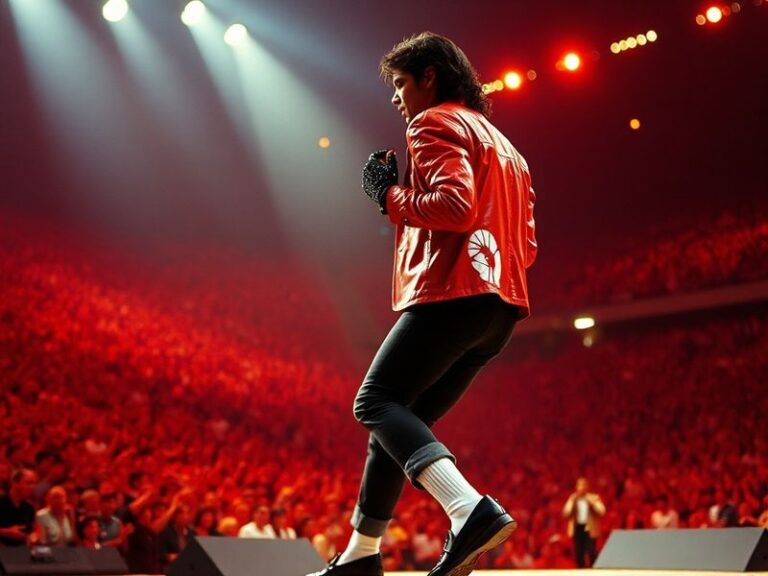
The challenge itself is simple in concept: participants mimic Olly Murs’ signature dance moves—often set to his hit songs like “Dance On” or “Heart Skips a Beat”—and post their attempts online. But its simplicity belies the broader significance of how such trends shape identity, community, and even the music industry’s relationship with its audience.
The Origins: From TikTok to Mainstream
Like so many viral challenges before it, the Olly Murs Challenge found its footing on TikTok, where short-form video content thrives on participation and remixability. The platform’s algorithm favors trends that encourage imitation and adaptation, and the Olly Murs Challenge fit perfectly: it was visually engaging, easy to replicate, and deeply tied to a recognizable artist with a strong fanbase.
Olly Murs himself responded quickly. He shared his own rendition on social media, not just endorsing the trend but actively participating. This kind of artist engagement often accelerates a challenge’s trajectory, turning niche virality into mainstream visibility. Within days, the challenge had spread to Instagram Reels and YouTube Shorts, with users of all ages and backgrounds adding their own spins—from comedic takes to professional choreography.
What makes this particular challenge stand out is its inclusivity. Unlike some viral trends that skew toward younger demographics or specific communities, the Olly Murs Challenge attracted participants across generations. Parents danced with children, grandparents joined in, and even celebrities put their own twist on the moves. This intergenerational appeal is rare and speaks to the universal nature of dance as a form of expression.
Why This Challenge Matters Beyond the Moves
At its core, the Olly Murs Challenge is more than just a fleeting internet trend—it reflects deeper shifts in how music and celebrity culture operate in the digital era. For artists, it represents a democratization of fame. Olly Murs didn’t need a record label or a PR team to launch the challenge; he simply needed to create something relatable and let his fans run with it. This mirrors the rise of “participatory culture,” a concept popularized by media theorist Henry Jenkins, where audiences don’t just consume content—they shape it.
For brands and artists, the challenge also highlights the importance of authenticity. Olly Murs’ willingness to engage directly with the trend—without over-commercializing it—built trust and goodwill. Compare this to forced corporate challenges that often feel hollow; the Olly Murs Challenge succeeded because it felt genuine, even spontaneous.
There’s also a social dimension. Dance challenges have long been tools for building community, from the Harlem Shake to the Ice Bucket Challenge. They provide a shared language and a sense of belonging. In an era marked by division, the Olly Murs Challenge offered a lighthearted way for people to connect, even if only for a few minutes.
Key Takeaways: What the Olly Murs Challenge Reveals About Modern Media
The success of the Olly Murs Challenge isn’t random—it’s a case study in how digital trends evolve. Here are some key insights:
- Authenticity drives engagement: The challenge worked because Olly Murs participated as a fan, not just as a celebrity.
- Simplicity fuels spread: The easier a trend is to replicate, the faster it grows.
- Community over competition: Unlike challenges that pit users against each other, this one encouraged collaboration.
- Cross-platform adaptability: It wasn’t confined to one app, which helped it reach wider audiences.
- Longevity through remixing: Users kept the trend alive by adding new elements, from costumes to soundtracks.
The Broader Impact: Lessons for Artists and Marketers
For artists, the Olly Murs Challenge offers a blueprint for organic growth in a crowded digital landscape. It shows that success doesn’t always require a massive budget or a viral marketing team. Sometimes, it’s about creating something shareable and then getting out of the way.
For marketers, the challenge underscores the need to embrace unpredictability. Traditional campaigns rely on control, but the most viral trends thrive on spontaneity. Brands that try to manufacture authenticity often fail, while those that allow fans to co-create often succeed.
There’s also a cautionary tale here. Not every challenge will resonate, and not every artist can replicate this success. The key is understanding your audience and tapping into what already excites them. Olly Murs’ challenge worked because it aligned with his brand—fun, energetic, and inclusive—but also because it gave fans a way to engage with his music beyond just listening.
Looking Ahead: The Future of Fan-Driven Trends
As social media platforms continue to evolve, so too will the nature of viral challenges. Augmented reality filters, AI-generated content, and interactive live streams are likely to play bigger roles in how these trends emerge and spread. Yet, the core principle remains the same: people crave connection and creativity.
The Olly Murs Challenge may fade from the spotlight eventually, but its legacy will endure in the way it demonstrated the power of fan-driven culture. It proved that in a digital world saturated with content, the most meaningful interactions often come from the simplest acts—like dancing together in a kitchen or sharing a laugh online.
For artists and creators, the message is clear: sometimes, the best way to grow is to let your audience take the lead.
As for Olly Murs? He didn’t just ride the wave—he proved that the real magic happens when the artist and the audience move in sync.