Olympiacos vs Panathinaikos: The Greek Derby That Defines Football Rivalries
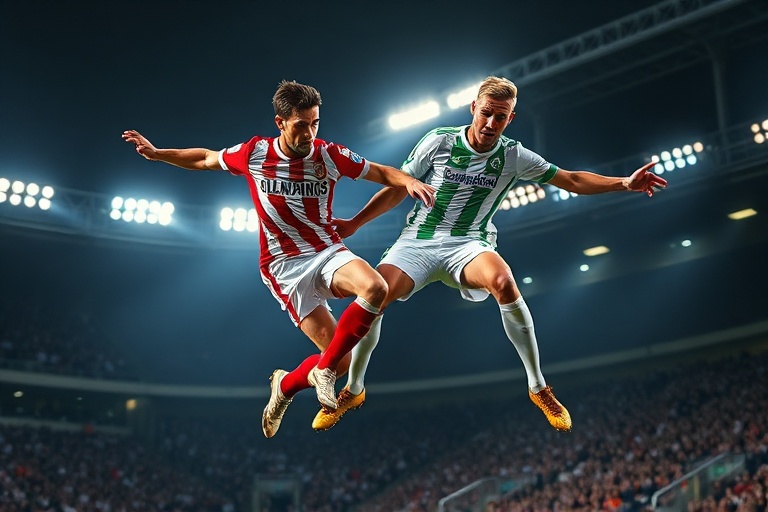
The clash between Olympiacos and Panathinaikos is more than just a football match; it is a cultural spectacle that divides a nation. Known as the “Derby of the Eternal Enemies,” this fixture transcends sport, embedding itself in the social and historical fabric of Greece. With roots stretching back to the early 20th century, the rivalry has produced some of the most intense, dramatic, and memorable moments in Greek football history.
The two clubs, based in Athens and Piraeus respectively, represent not only their cities but also opposing ideologies and class divides. Olympiacos, founded in 1925 in the working-class port of Piraeus, embodies the resilience and fighting spirit of the proletariat. Panathinaikos, established in 1908 in central Athens, is often associated with the city’s intellectual and upper-class elite. This social dichotomy fuels the passion and intensity that define their encounters on the pitch.
The Historical Roots of the Rivalry
The origins of the Olympiacos vs Panathinaikos rivalry can be traced to the early 1930s, shortly after Olympiacos was founded. The first official match between the two clubs took place in 1930, and from the outset, it was clear that this was no ordinary fixture. The encounter was marked by fierce competition, with Olympiacos securing a 2-1 victory, a result that set the tone for decades of intense battles.
During the 1950s and 1960s, the rivalry intensified as both clubs dominated Greek football. Olympiacos, with its working-class identity, became the most successful club in Greece, while Panathinaikos, with its emphasis on technical and tactical football, emerged as its closest challenger. The derbies during this era were often physical and emotionally charged, reflecting the broader social tensions of the time.
The rivalry peaked in the 1990s and early 2000s, a period that saw some of the most iconic moments in Greek football. Matches during this time were not just about points; they were about pride, honor, and bragging rights. The derbies became must-watch events, drawing massive television audiences and filling stadiums to capacity.
Key Moments in the Rivalry
Several matches stand out as defining moments in the Olympiacos vs Panathinaikos rivalry. One such game took place in 1998, when Olympiacos defeated Panathinaikos 4-0 at the Olympic Stadium. The result was a humiliation for Panathinaikos, and it sparked a wave of criticism against the club’s management and players. For Olympiacos fans, it was a moment of triumph that reinforced their dominance in Greek football.
Another memorable encounter occurred in 2003, when Panathinaikos won 3-1 in a dramatic comeback at the Karaiskakis Stadium. The match was marked by controversy, including a red card and a penalty that divided opinions. For Panathinaikos fans, it was a sweet victory that momentarily halted Olympiacos’ dominance. For Olympiacos supporters, it was a bitter pill to swallow, highlighting the unpredictability of the rivalry.
The 2010s saw the rivalry take on a new dimension as financial troubles and managerial changes affected both clubs. Despite these challenges, the derbies remained fiercely competitive, with both teams often battling for the top spot in the league. The matches continued to draw huge crowds, proving that the passion and intensity of the rivalry were undiminished.
The Cultural and Social Impact
The Olympiacos vs Panathinaikos rivalry is deeply intertwined with Greek society. It reflects the broader divisions within the country, including class, geography, and even politics. Olympiacos, with its working-class roots, is often seen as the people’s club, while Panathinaikos, with its association with Athens’ elite, is viewed as the establishment’s team. This dichotomy resonates with fans on a personal level, making the derbies more than just football matches.
The rivalry also plays a significant role in Greek media and popular culture. Matches are broadcast nationwide, and the build-up to each fixture is filled with analysis, predictions, and debates. Fans express their loyalty through chants, banners, and social media, creating a sense of community and shared identity. The derbies are not just sporting events; they are cultural phenomena that bring people together, even as they divide them.
The Fan Culture and Atmosphere
The atmosphere at Olympiacos vs Panathinaikos matches is electric, with both sets of fans creating an unforgettable experience. Olympiacos supporters, known for their passion and loyalty, fill the Karaiskakis Stadium with chants and drumbeats, creating a wall of sound that intimidates visiting teams. The “Gate 7” stand, in particular, is famous for its organized displays and vocal support.
Panathinaikos fans, on the other hand, are known for their creativity and flair. The “Gate 13” stand at the Olympic Stadium is renowned for its choreographed tifos and witty banners, which often mock the opposition. The atmosphere at these matches is a blend of tension and excitement, with fans fully invested in the outcome.
The derbies are also known for their security challenges. Due to the intense emotions involved, clashes between fans are not uncommon, requiring a significant police presence to maintain order. Despite these challenges, the passion and commitment of the fans remain undiminished, making the Olympiacos vs Panathinaikos rivalry one of the most intense in world football.
The Modern Era: Challenges and Changes
The past decade has brought significant changes to Greek football, and the Olympiacos vs Panathinaikos rivalry has not been immune to these shifts. Financial difficulties at both clubs have led to managerial changes and squad overhauls, forcing fans to adapt to new realities. Despite these challenges, the derbies remain fiercely competitive, with both teams often battling for the top spot in the league.
One of the most notable changes in recent years has been the rise of other Greek clubs, such as PAOK and AEK Athens, who have challenged the dominance of Olympiacos and Panathinaikos. This shift has added a new layer of complexity to the rivalry, with fans now having to balance their loyalty to their club with the broader goal of keeping Greek football competitive at the European level.
Despite these changes, the Olympiacos vs Panathinaikos rivalry remains as intense as ever. The derbies continue to draw huge crowds and massive television audiences, proving that the passion and intensity of the rivalry are undiminished. For fans, the matches are a chance to reaffirm their identity and show their support for their club.
What the Future Holds
The future of the Olympiacos vs Panathinaikos rivalry is uncertain, but one thing is clear: it will continue to be a defining feature of Greek football. Both clubs are working to rebuild and strengthen their squads, with the goal of reclaiming their place at the top of the Greek league and making an impact in European competitions.
For fans, the derbies will remain a source of pride and passion. Whether it’s a league match, a cup final, or a European encounter, the Olympiacos vs Panathinaikos rivalry will always be special. It is more than just a football match; it is a cultural and social event that brings people together, even as it divides them.
As Greek football continues to evolve, the rivalry between Olympiacos and Panathinaikos will remain a constant reminder of the power of sport to unite and inspire. For fans, the derbies are a chance to celebrate their club’s history and look forward to a bright future.
For those looking to dive deeper into the world of Greek football, Dave’s Locker News offers comprehensive coverage of the latest developments in the sport. Whether it’s transfer news, match analyses, or historical retrospectives, the site provides a wealth of information for fans and enthusiasts alike.