Olympiacos vs Panathinaikos: The Greek Derby That Shapes a Nation
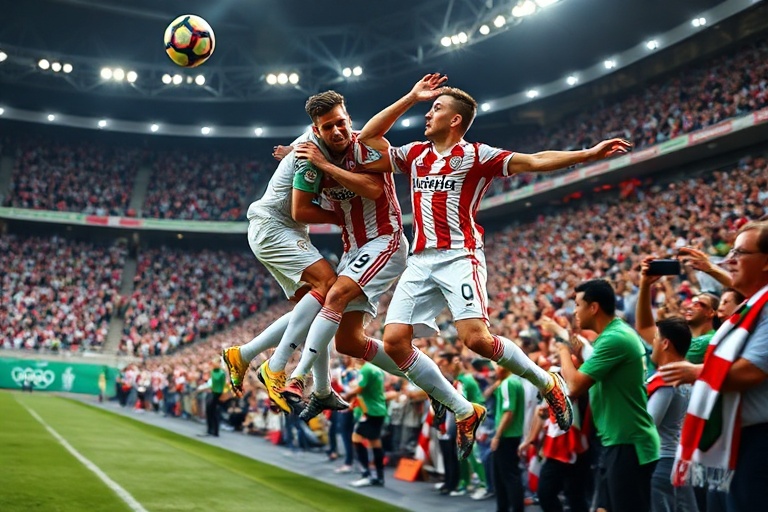
The clash between Olympiacos and Panathinaikos isn’t just another football match. It’s a collision of ideologies, histories, and identities that has shaped Greek football for over a century. When these two giants meet, the country stops. The air hums with tension, the stadiums roar, and for 90 minutes—or longer if penalties intervene—the fate of bragging rights hangs in the balance.
The rivalry extends beyond the pitch. Olympiacos, based in Piraeus, represents the working-class spirit of the port city and its industrial backbone. Panathinaikos, rooted in Athens, embodies the cosmopolitan elite, the intellectual and political establishment. This isn’t merely a sporting contest; it’s a cultural referendum played out in yellow-and-red versus green-and-white jerseys.
The Origins of a Historic Rivalry
The roots of this feud stretch back to the early 20th century. Olympiacos was founded in 1925 by a group of athletes and workers who sought to create a club for the people. Panathinaikos, established in 1908, had already staked its claim as the club of the upper class, with strong ties to the royal family and Athens’ intellectual circles.
The first official match between the two took place in 1930, and from the start, it was more than just football. It was a statement. Olympiacos, with its fast, physical style, mirrored the grit of the proletariat. Panathinaikos, with its technical elegance, reflected the refinement of the capital’s bourgeoisie. The contrast wasn’t subtle. It was ideological.
By the 1950s and 60s, the rivalry had evolved into a national spectacle. Olympiacos dominated domestically, while Panathinaikos fought back with European campaigns that brought prestige to Greek football. The two clubs became symbols of their respective worlds—one of sweat and struggle, the other of polish and aspiration.
A Timeline of Key Moments
The history of Olympiacos vs Panathinaikos is written in dramatic moments, controversial decisions, and unforgettable performances. Below are some of the most pivotal chapters in this enduring saga:
- 1967: The “Blood Match” – During a Cup final, Olympiacos players were subjected to violent play by Panathinaikos defenders. The referee allowed the aggression to continue, sparking outrage in Piraeus and reinforcing the narrative of class oppression.
- 1999: The 2–1 Comeback – Panathinaikos, down 0–1, scored twice in the final 10 minutes to win at Olympiacos’ Karaiskakis Stadium. Fans of the Reds still wince at the memory; for the Greens, it was a moment of redemption.
- 2010: The 6–0 Demolition – Olympiacos produced one of the most dominant performances in derby history. A 6–0 thrashing at home sent shockwaves through Greek football and silenced critics who claimed Panathinaikos were the better team.
- 2023: The VAR Controversy – A last-minute goal by Panathinaikos was controversially disallowed for offside via VAR, sparking furious protests from the Greens. Olympiacos fans celebrated as if they’d won the league.
Beyond the Pitch: Culture, Politics, and Identity
This rivalry transcends tactics and trophies. It’s a lens through which to view modern Greece itself. Olympiacos’ fanbase is famously loyal and vociferous, with the club’s supporters often facing heavy policing and surveillance. The “Gate 7” tragedy in 1981, when 21 Panathinaikos fans died in a crush, deepened the divide, as Olympiacos was unfairly blamed by some, further entrenching the us-vs-them mentality.
Politically, the clubs have been aligned with different factions. Olympiacos has often been associated with left-wing movements, reflecting its working-class roots. Panathinaikos, with its historical links to the monarchy and later center-right politics, has drawn support from more affluent and conservative circles. These associations aren’t absolute, but they color the perception of each club.
The media amplifies the divide. Sports journalists and pundits often frame the derby as a morality play—one side representing struggle, the other privilege. Such narratives simplify complex realities but they endure because they resonate with fans’ lived experiences.
The Derby’s Broader Impact on Greek Football
For decades, Olympiacos vs Panathinaikos wasn’t just the biggest match in Greece—it was the only match that mattered. While other clubs like AEK Athens and PAOK have risen in prominence, none have matched the cultural weight of this fixture. The derby sets the tone for the entire season. A strong result for one side can shift momentum across the league.
It also shapes player careers. Many footballers are judged not by their domestic or international achievements, but by how they perform in the derby. A poor showing here can haunt a player for years; a standout performance can elevate them to folk hero status.
Financially, the derby is a goldmine. TV rights, sponsorships, and merchandise sales surge during derby weeks. Clubs invest heavily in recruitment specifically to strengthen their hand in this high-stakes encounter. The pressure to perform is immense, and the rewards—both tangible and intangible—are unmatched.
The Rivalry’s Future: Can It Survive Modern Football?
The landscape of Greek football is changing. Financial instability has weakened both Olympiacos and Panathinaikos in European competitions. Younger fans, raised on globalized football culture, sometimes view the derby as parochial or even toxic. Social media has amplified rivalries, but it has also diluted their purity by exposing them to broader, less invested audiences.
Yet, the derby endures. In an era of globalized leagues and corporate football, the Olympiacos vs Panathinaikos clash remains stubbornly local. It is raw, unfiltered, and unapologetic. It doesn’t need to be marketed as a spectacle—it simply is.
As long as there is Piraeus and there is Athens, as long as there are people who define themselves by where they come from, this rivalry will live on. It may evolve, soften at the edges, or face new challenges, but it will not disappear. Because in Greece, football isn’t just a game. It’s a language. And the Olympiacos vs Panathinaikos derby is its most powerful dialect.
Why This Rivalry Matters, Even Beyond Greece
For football purists, this rivalry offers a rare glimpse into the soul of the sport. In an era dominated by money and media, Olympiacos vs Panathinaikos reminds us that football can still be tribal, emotional, and deeply personal. It’s a counterpoint to the sterile, commercialized football of the Premier League or the Champions League.
It also serves as a case study in how identity and sport intersect. Few rivalries in world football are as tied to class and geography as this one. It challenges the idea that football is merely entertainment. Here, it’s a mirror held up to society.
That’s why, even as Greek football struggles with financial and structural challenges, the Olympiacos vs Panathinaikos derby persists. It’s not just a match. It’s a tradition. It’s a protest. It’s a celebration. It’s Greece, distilled on a football pitch.
And as long as that pitch exists, so will the rivalry.
For more on the cultural and historical context of European football rivalries, visit our Culture and Sports sections.