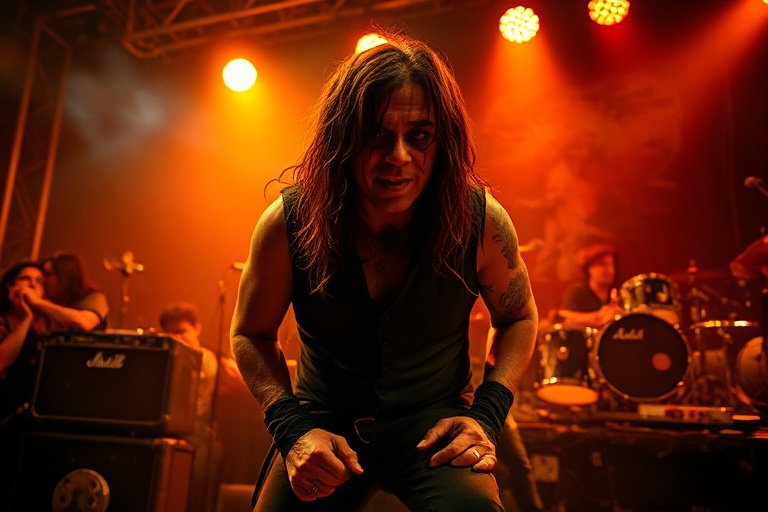
Ozzy Diaz has quietly carved out a reputation as one of the most compelling figures in contemporary professional wrestling. His journey from independent circuits to mainstream promotions reflects both his relentless work ethic and his ability to connect with audiences on a deeper level than many performers in the sport today. Diaz’s story isn’t just about athleticism; it’s about resilience, innovation, and redefining what it means to be a performer in an era dominated by spectacle.
The Rise of a Wrestling Prodigy
Born and raised in Miami, Florida, Ozzy Diaz’s connection to wrestling began early. Unlike many stars who were introduced to the sport through television, Diaz grew up in wrestling gyms, absorbing the craft from local legends and traveling performers who passed through Florida circuits. His early training under respected trainers gave him a technical foundation that set him apart from peers who relied solely on charisma or brute strength.
Diaz made his professional debut in 2010 with Florida Underground Wrestling (FUW), one of the most respected independent promotions in the country. His in-ring style—a blend of high-flying maneuvers and hard-hitting strikes—quickly caught the attention of scouts. By 2014, he had competed in multiple wrestling territories across the U.S., including Chikara, Evolve, and Pro Wrestling Guerrilla (PWG), where he faced some of the best technical wrestlers in the world.
His big break came in 2016 when he signed with Ring of Honor (ROH), one of the top promotions on the independent scene. While he never reached the main event status of some of his peers, Diaz became known for delivering consistently high-quality matches. His feud with Jay Lethal in 2017 highlighted his ability to carry a storyline with intensity and emotional depth—qualities that often go underappreciated in wrestling’s current landscape.
Signature Style and In-Ring Presence
What makes Ozzy Diaz stand out is his versatility. He’s not pigeonholed into a single role. Whether he’s playing the underdog, the heel with a hidden agenda, or the fan favorite willing to take big risks, Diaz adapts seamlessly. His signature move, the “Diaz Driver”—a sitout powerbomb with a twist—has become a finisher that fans recognize instantly, symbolizing both his power and precision.
Diaz’s mic skills have also evolved significantly. Early in his career, he was known more for his athleticism than his promos. But over time, he developed a sharp, cutting promos style that blends humor with biting insults, making him a compelling character whether he’s playing a hero or a villain. This duality has made him a favorite among wrestling purists who value both action and storytelling.
Breaking Barriers Beyond the Ring
Beyond his performances, Ozzy Diaz has become a voice for change in wrestling. He’s been vocal about mental health awareness, a topic often stigmatized in sports entertainment. In interviews and social media posts, Diaz has spoken openly about the pressures of the wrestling lifestyle—long tours, financial instability, and the emotional toll of injury—issues rarely discussed in the locker room.
In 2021, Diaz launched “Diaz Wrestling Academy,” a training facility in Miami aimed at developing the next generation of wrestlers from diverse backgrounds. The academy isn’t just about teaching holds and bumps; it emphasizes business acumen, branding, and self-promotion—skills essential for survival in modern wrestling. Diaz often says, “You can be the best wrestler in the world, but if no one knows your name, it doesn’t matter.” This philosophy reflects his understanding of the sport’s evolving demands.
Challenges and Comebacks
Like many wrestlers, Diaz has faced setbacks. A severe knee injury in 2019 sidelined him for nearly a year. During that time, he considered leaving the business entirely. But instead of walking away, he used the downtime to study sports medicine, nutrition, and even podcasting. When he returned in 2020, he was not just physically stronger but mentally sharper. His comeback match at GCW (Game Changer Wrestling) against Bandido was hailed as one of the best of the year—a testament to his dedication.
Diaz’s ability to reinvent himself has kept him relevant in an industry where careers often fade quickly after injury or age. While he’s now in his early 40s, he shows no signs of slowing down. He continues to work with promotions like independent circuits and occasional appearances in major promotions, proving that passion and adaptability matter more than youth.
The Legacy and Future of Ozzy Diaz
Diaz may never headline WrestleMania or win a world title, but his influence is undeniable. He represents a generation of wrestlers who value authenticity over hype. In an era where wrestling is increasingly about viral moments and social media stunts, Diaz remains grounded in the fundamentals: hard work, respect for the craft, and a connection with the audience.
Looking ahead, Diaz has expressed interest in transitioning into commentary, training, or even behind-the-scenes roles like booker or producer. His deep understanding of the business—from performing to promoting—makes him a valuable asset in any capacity. Fans who have followed his career for over a decade know that when Ozzy Diaz finally steps away from the ring, he’ll do so on his own terms.
For now, he continues to inspire both in and out of the ring. Whether it’s through his academy, his advocacy, or his performances, Ozzy Diaz is proving that success in wrestling isn’t just about being the biggest star—it’s about being the most dedicated one.
Why Ozzy Diaz Matters
In a sport often criticized for its lack of diversity and innovation, Ozzy Diaz stands as a symbol of perseverance and authenticity. He’s a reminder that wrestling isn’t just about flashy entrances and scripted drama—it’s about real people with real stories. His journey from Miami gyms to national exposure is a blueprint for aspiring wrestlers who don’t fit the traditional mold but refuse to be ignored.
As the wrestling landscape continues to evolve, figures like Ozzy Diaz ensure that the heart of the sport remains alive. He’s not chasing fame; he’s building a legacy. And in an industry that often prioritizes the next big thing, that’s exactly what makes him timeless.