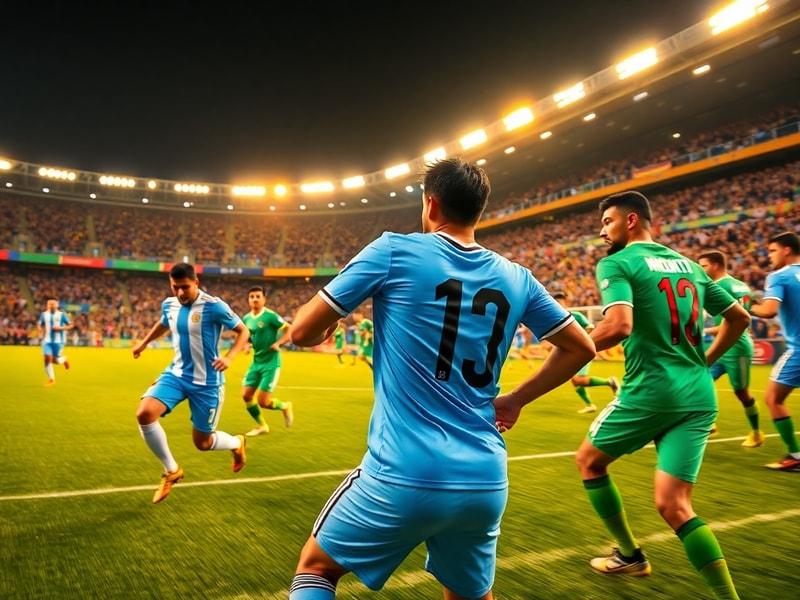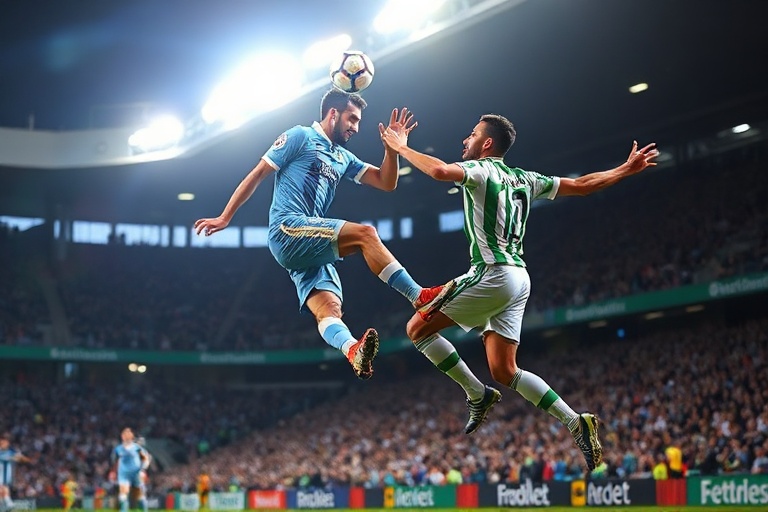
Real Sociedad vs Real Betis: A Clash of Basque Pride and Andalusian Flair
The match between Real Sociedad and Real Betis is more than just a fixture in La Liga—it’s a collision of identities, histories, and footballing philosophies. When these two clubs meet, the pitch becomes a stage for cultural narratives that stretch far beyond the 90 minutes. For the fans, it’s a chance to assert regional pride, while for neutral observers, it’s an opportunity to witness two distinct styles of Spanish football in direct confrontation.
The Historical Rivalry: A Tale of Two Regions
Though not as storied as the El Clásico between Barcelona and Real Madrid, the rivalry between Real Sociedad and Real Betis carries deep cultural weight. Real Sociedad, based in San Sebastián in the Basque Country, represents a region with a strong sense of identity, language, and tradition. The club’s roots trace back to 1909, and its supporters are known for their unwavering loyalty and vocal nationalism. The team’s crest even includes the Ikurriña, the Basque flag, symbolizing its place in the region’s cultural fabric.
Real Betis, on the other hand, hails from Seville in Andalusia, a region synonymous with passion, flamenco, and a fiery footballing spirit. Founded in 1907, Betis is often seen as the people’s club, with a fanbase that lives and breathes the game. The club’s motto, “Viva el Betis manque pierda” (“Long live Betis even when they lose”), encapsulates the unconditional love its supporters have for the team. When these two clubs face off, it’s not just about points—it’s about regional pride.
Footballing Philosophies: From Tiki-Taka to the Beautiful Game
The contrast between Real Sociedad and Real Betis extends beyond geography. Their footballing approaches often reflect their cultural backgrounds. Real Sociedad has long been associated with technical, possession-based football, a reflection of the Basque region’s emphasis on skill and strategy. Under managers like David Moyes and Imanol Alguacil, the team has perfected a system that prioritizes ball retention, quick transitions, and positional play. This style has earned them a reputation as one of La Liga’s most aesthetically pleasing teams.
Real Betis, meanwhile, embodies the raw, emotional, and often unpredictable nature of Andalusian football. Known for their attacking flair and high-energy pressing, Betis thrives on creating chaos in the final third. The club’s history is filled with moments of brilliance, from the golden era of the 1930s to the more recent successes under managers like Quique Setién and Manuel Pellegrini. Betis fans expect spectacle, and when their team delivers, it’s a celebration of everything that makes football beautiful.
When these two styles collide, the result is often a match that’s as entertaining as it is unpredictable. Real Sociedad’s structured approach meets Betis’s chaotic creativity, creating a dynamic that keeps fans on the edge of their seats.
Key Moments in the Rivalry
The history between Real Sociedad and Real Betis is marked by dramatic encounters that have shaped their rivalry. One of the most memorable matches took place in the 2019-20 La Liga season, when Betis secured a 2-1 victory at the Estadio de la Cerámica. The win was particularly sweet for Betis, as it came against a Sociedad side that was pushing for a top-four finish. The match was a showcase of Betis’s attacking prowess, with goals from Nabil Fekir and Sergio Canales sealing the victory.
Another standout fixture occurred in the 2020-21 season, when Sociedad claimed a 2-0 win at the Benito Villamarín. The match was a tactical masterclass from Imanol Alguacil, who set his team up to stifle Betis’s midfield creativity. Goals from Alexander Isak and Mikel Oyarzabal secured the points, but it was the controlled performance that stood out. For Sociedad fans, it was a reminder of their team’s ability to grind out results against even the toughest opponents.
These matches, among others, have added layers to the rivalry. For Sociedad, victories are about proving their consistency and technical superiority. For Betis, wins are a chance to assert their identity as a club that plays with heart and passion.
Global Perspectives: How the World Views the Rivalry
While the rivalry between Real Sociedad and Real Betis may not have the global recognition of other European clashes, it holds significance in the broader context of Spanish football. For international fans, matches like these offer a glimpse into the diversity of La Liga. While clubs like Real Madrid and Barcelona dominate headlines, teams like Sociedad and Betis showcase the league’s depth and cultural richness.
In an era where football is increasingly globalized, the rivalry between these two clubs serves as a reminder of the sport’s local roots. It’s a celebration of regional identities, where football is not just a game but a reflection of history, culture, and community. For fans outside Spain, these matches are an opportunity to appreciate the nuances of Spanish football beyond the usual giants.
The rivalry also highlights the importance of clubs that represent their cities and regions. In a world where football is often dominated by financial power and global brands, Sociedad and Betis stand as symbols of local pride. Their matches are a testament to the idea that football is more than just a business—it’s a cultural institution.
What’s at Stake in the Next Encounter
As the two clubs prepare to face off again, the stakes are higher than ever. For Real Sociedad, the focus is on securing a top-four finish and maintaining their status as one of La Liga’s most consistent teams. The club’s recent investments in young talent, such as Martin Zubimendi and Takefusa Kubo, have positioned them as a team with both ambition and potential. A strong performance against Betis could be a statement of intent for the season ahead.
For Real Betis, the next match is a chance to prove that they are more than just a team that plays attractive football—they are a side capable of competing with the best. With players like Borja Iglesias and William Carvalho leading the charge, Betis has the talent to challenge for European spots. A win against Sociedad would not only boost their league position but also reinforce their reputation as a club that punches above its weight.
The psychological aspect of the rivalry cannot be overlooked. Both teams will enter the match with a clear understanding of what’s at stake. For Sociedad, it’s about proving their tactical discipline and consistency. For Betis, it’s about showcasing their attacking firepower and resilience. The clash of these two mentalities often leads to intense, high-stakes football that keeps fans engaged until the final whistle.
A Match That Transcends the Pitch
When Real Sociedad and Real Betis step onto the pitch, they bring more than just their players and tactics—they bring the soul of their regions. The rivalry between these two clubs is a microcosm of the broader cultural and historical narratives that define Spanish football. It’s a reminder that football is not just a sport but a reflection of identity, passion, and community.
For fans, these matches are a chance to celebrate their heritage and assert their pride. For neutral observers, they offer a glimpse into the rich tapestry of La Liga. And for the clubs themselves, they are an opportunity to write another chapter in a rivalry that is as much about culture as it is about football.
As the next encounter between Real Sociedad and Real Betis approaches, one thing is certain: the world of football will be watching. Not just for the result, but for the story it tells about the beautiful game.
Where to Experience the Rivalry
For fans looking to dive deeper into the world of La Liga and its cultural significance, Sports on Dave’s Locker offers a wealth of content on the league’s history, key matches, and the stories behind the clubs. Whether you’re a die-hard fan or a casual observer, there’s always more to discover about the teams that shape Spanish football.
If you’re interested in exploring the broader themes of football as a cultural phenomenon, our Culture section features articles that examine the intersection of sport, society, and identity. From the role of football in local communities to its global impact, these pieces offer fresh perspectives on the game we love.