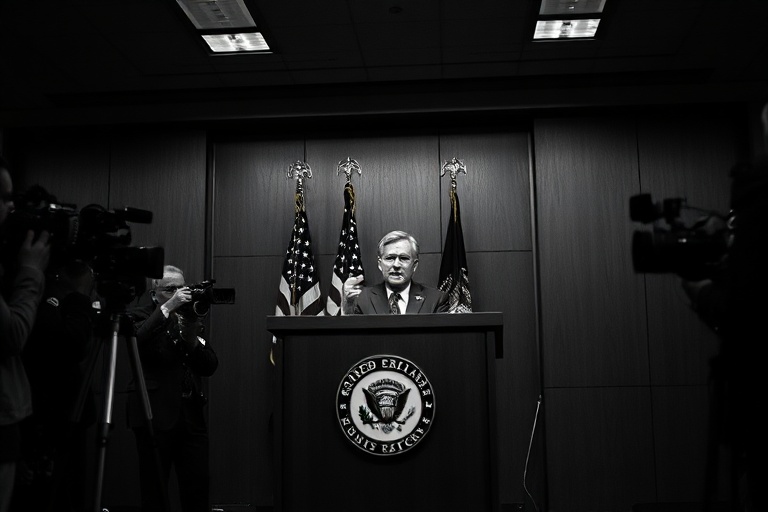
Robert Karem: The Quiet Architect of Modern Global Security
Robert Karem’s career in defense and security policy has unfolded largely behind the scenes, yet his influence shapes how nations prepare for conflict, negotiate crises, and maintain stability. As a Pentagon official, policy advisor, and strategist, Karem has worked at the intersection of military planning and diplomatic strategy. His work reflects a generation of security thinkers who see deterrence not just as a military concept but as a delicate balance of power, communication, and restraint.
Born in the 1970s, Karem entered public service during a period when the United States was redefining its role in the world. The collapse of the Soviet Union and the rise of new threats—from rogue states to non-state actors—created a demand for fresh strategic thinking. Karem’s rise coincided with this transformation, positioning him to influence key decisions in Washington and beyond.
From Military Service to Policy Leadership
Karem began his career in the U.S. Army, serving as a commissioned officer and gaining firsthand experience in operational environments. His military service provided a foundation in logistics, command structures, and the realities of battlefield decision-making. These experiences later informed his policy work, where abstract concepts like “escalation dominance” and “strategic ambiguity” took on real-world consequences.
After transitioning from active duty, Karem moved into defense policy, working with think tanks and government agencies. His ability to translate military doctrine into policy language made him a valuable voice in debates over arms control, missile defense, and regional security frameworks. Colleagues describe him as a pragmatist—someone who values feasibility over ideology when designing security architectures.
Key Contributions to U.S. Defense Strategy
Karem is best known for his role in shaping U.S. policy toward Iran, North Korea, and China during periods of high tension. He helped design strategies that combined deterrence with diplomatic engagement, avoiding the extremes of isolation or military confrontation. One of his most notable contributions was in the development of “maximum pressure” campaigns, which aimed to alter adversarial behavior without resorting to war.
His work extended to arms control negotiations, where he advocated for agreements that balanced verification with flexibility. Karem was involved in discussions surrounding the New START treaty and other nuclear limitation efforts, recognizing that even imperfect agreements could reduce risks in an unstable world. His approach emphasized incremental progress over ideological purity—a stance that sometimes placed him at odds with hardliners in Washington.
Below are some of the policy areas where Karem’s influence has been most pronounced:
- Missile Defense: Karem played a key role in expanding U.S. missile defense capabilities, particularly in the Asia-Pacific region. His work aimed to counter North Korean and Chinese missile threats while reassuring allies like Japan and South Korea.
- Cyber Deterrence: As cyber threats grew, Karem helped develop frameworks for deterring attacks in the digital domain. He argued that responses to cyber aggression should be proportional but firm, avoiding escalation into broader conflict.
- Alliance Management: Karem’s tenure included efforts to strengthen NATO and bilateral alliances in Asia. He emphasized interoperability, shared intelligence, and joint exercises as ways to deter aggression without provoking it.
Global Perspectives and Cultural Context
Karem’s influence extends beyond American borders. His strategies have been studied and adapted by allies in Europe, the Middle East, and Asia, reflecting a shift in global security thinking. In Japan, for example, policymakers have drawn on Karem’s ideas to justify increased defense spending while maintaining a commitment to pacifism. In Europe, his emphasis on burden-sharing has resonated with countries seeking to reduce reliance on the U.S.
Culturally, Karem represents a generation of security experts who came of age after the Cold War. Unlike their predecessors, who were shaped by nuclear standoffs and proxy wars, Karem and his peers operate in a world of asymmetric threats, hybrid warfare, and rapid technological change. His work reflects an understanding that modern deterrence requires more than just military strength—it demands adaptability, technological innovation, and a deep awareness of cultural sensitivities.
In South Korea, Karem’s policies have been analyzed through the lens of national identity. While some view his emphasis on deterrence as necessary for survival, others critique it as overly confrontational. This tension mirrors broader debates in global security, where the line between protection and provocation is often blurred.
Legacy and Future Challenges
As Karem’s career evolves, his legacy will likely be defined by his ability to navigate the complexities of 21st-century security. The rise of artificial intelligence, hypersonic weapons, and space-based warfare presents challenges that traditional deterrence models may not fully address. Karem has acknowledged these gaps, calling for new frameworks that account for emerging technologies and evolving adversarial tactics.
Looking ahead, Karem’s ideas will remain relevant in debates over U.S.-China relations, the future of NATO, and the role of private military companies in global conflicts. His emphasis on pragmatism and incremental progress offers a counterpoint to more ideological approaches, making his insights valuable for policymakers and analysts alike.
For those interested in the intersection of military strategy and policy, Karem’s career offers a case study in how quiet expertise can shape global affairs. His work reminds us that security is not just about power—it’s about perception, communication, and the careful management of risk.
To explore related topics in defense and global affairs, visit our News and Analysis sections.