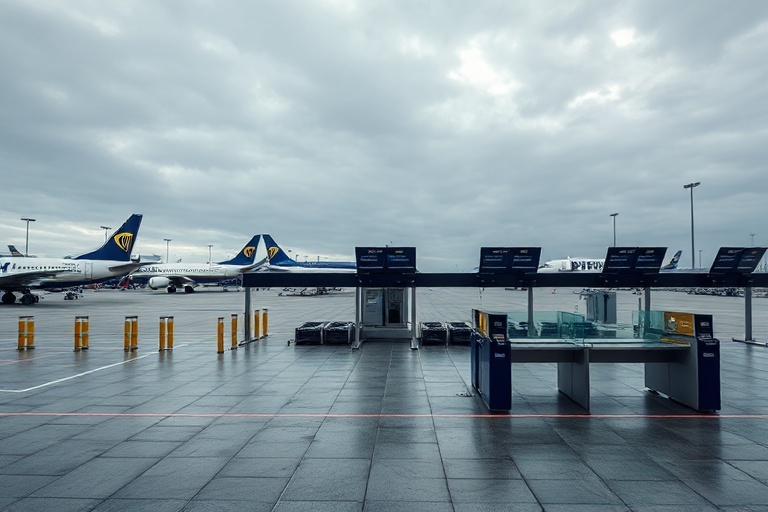
Ryanair Closes Thessaloniki Base: What Travelers Need to Know
Ryanair’s decision to shutter its base at Thessaloniki Airport has sent ripples through Greece’s aviation sector. The closure, effective from late October 2024, marks the end of a six-year operation that once positioned the city as a key regional hub for the budget airline. While Ryanair frames the move as part of a broader optimization of its European network, the impact on travelers, local tourism, and the regional economy is undeniable.
The Background: Ryanair’s Thessaloniki Operations
Ryanair launched its Thessaloniki base in 2018, initially deploying two aircraft and a team of over 100 staff. At its peak, the base supported more than 30 routes, connecting northern Greece to destinations across Europe, including Berlin, Rome, and Warsaw. The expansion aligned with a period of aggressive growth for Ryanair in the Balkans, as the airline sought to capitalize on Greece’s booming tourism industry and strong demand for affordable travel.
However, the airline’s strategy has shifted in recent years. Ryanair has increasingly focused on larger, more profitable airports, often reducing operations in secondary markets where competition from other low-cost carriers has intensified. Thessaloniki, despite its strategic importance, has faced challenges in maintaining consistent profitability due to fluctuating demand and rising operational costs.
Why Now? Analyzing the Decision
Several factors likely influenced Ryanair’s decision. First, the airline has been streamlining its fleet, prioritizing routes with higher load factors and revenue potential. Thessaloniki’s seasonal demand—peaking in summer and tapering off in winter—may have made it less attractive compared to year-round destinations in Western Europe. Additionally, Ryanair’s recent investments in bases like Athens and Rhodes suggest a preference for airports capable of sustaining larger aircraft and higher passenger volumes.
The closure also reflects broader trends in European aviation. As fuel costs remain volatile and labor shortages persist, airlines are reassessing their networks to ensure resilience. Ryanair’s move could also be a response to shifting travel patterns, with more Greeks opting for domestic or intra-European trips rather than long-haul flights from Thessaloniki.
- Fleet Optimization: Ryanair is focusing on routes with higher profitability and year-round demand.
- Seasonal Demand: Thessaloniki’s tourism-driven peaks may no longer justify the base’s operational costs.
- Competitive Pressures: Rival airlines like Wizz Air and Aegean have expanded their presence in northern Greece.
- Strategic Reallocation: Resources are being redirected to larger, more lucrative airports like Athens.
Immediate Impact on Travelers
Passengers based in Thessaloniki or traveling through the city will feel the most immediate effects. Several routes, including those to Germany, Italy, and Poland, are set to be discontinued or transferred to other airports. Travelers will need to adjust their plans, either by booking alternative flights or exploring other transportation options. For those reliant on Ryanair’s budget fares, the closure could mean higher costs, as replacement airlines may not offer the same pricing.
The timing of the closure is particularly challenging. With winter approaching, many travelers had likely already booked flights for the off-season. Ryanair has stated it will honor existing bookings until their scheduled travel dates, but the loss of direct connections could complicate future travel plans, especially for those without flexibility in their itineraries.
Long-Term Effects on Thessaloniki’s Economy
The closure’s economic impact extends beyond the aviation sector. Thessaloniki’s tourism industry, which contributes significantly to the local economy, could see a decline in visitors who rely on Ryanair’s affordable flights. The city’s hospitality sector, including hotels and restaurants, may experience a drop in demand during the winter months, traditionally a slower period for tourism.
Local businesses that cater to Ryanair’s staff and passengers—such as travel agencies, ground transportation services, and airport-related vendors—will also feel the pinch. The loss of 100+ direct and indirect jobs at the base further exacerbates the economic strain, particularly in a region where unemployment remains a persistent issue.
However, there may be opportunities for other airlines to fill the void. Aegean Airlines, Greece’s largest carrier, could expand its operations in Thessaloniki, while international carriers like Lufthansa or Turkish Airlines might increase their presence to capture the displaced traffic. The Greek government could also play a role by incentivizing new carriers to establish bases in Thessaloniki, though such measures would require careful planning and investment.
What’s Next for Ryanair in Greece?
Despite the Thessaloniki closure, Ryanair remains committed to Greece as a market. The airline continues to operate bases in Athens, Rhodes, and Corfu, with plans to add more routes in the coming years. Thessaloniki may not be entirely abandoned, as Ryanair could reintroduce seasonal services during peak travel periods if demand justifies the return.
For now, travelers and industry stakeholders will need to adapt. The closure serves as a reminder of the volatility in the low-cost airline sector, where profitability often trumps loyalty to specific markets. For Thessaloniki, the challenge will be to diversify its tourism strategy and attract alternative carriers to maintain its connectivity and economic vitality.
As Greece’s aviation landscape evolves, the closure of Ryanair’s Thessaloniki base underscores the delicate balance between corporate strategy and regional development. While the short-term disruptions are clear, the long-term implications will depend on how quickly other players step in to fill the gap.
Resources for Affected Travelers
For those looking to adjust their travel plans, consider exploring alternative airlines or transportation options. Websites like Dave’s Locker Travel Tips offer guidance on navigating flight disruptions and finding the best deals. Additionally, monitoring updates from aviation news sources can help travelers stay informed about new routes and services.