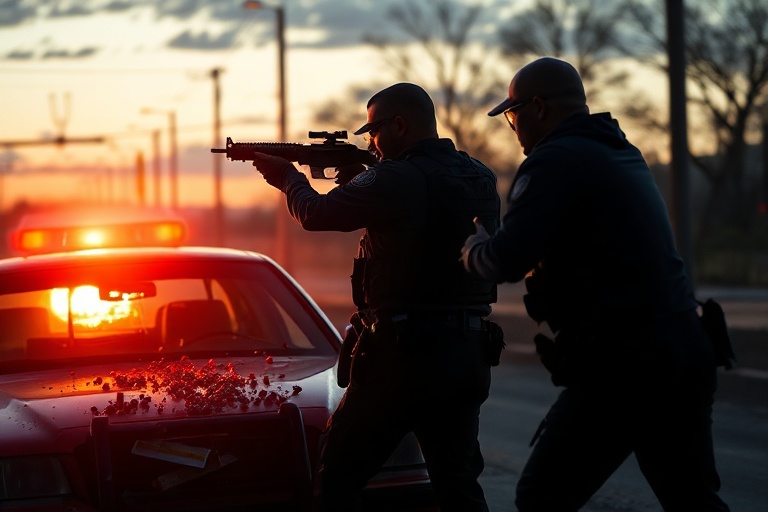
Shootouts Explained: From Real-World Conflict to Cultural Phenomena
What Defines a Shootout in Modern Conflict
The term shootout carries different meanings depending on context—historical battles, organized crime confrontations, or even competitive sports. In its most common usage, a shootout refers to a violent confrontation involving firearms, often between opposing groups. These clashes can unfold in urban streets, rural landscapes, or even virtual spaces in digital warfare. Shootouts are not confined to a single era or region; they have shaped conflicts from the Wild West to contemporary urban warfare.
Historically, shootouts were often romanticized in Western films, where duels at high noon symbolized justice and honor. Reality, however, paints a far grimmer picture. Shootouts in early American history frequently occurred between lawmen and outlaws, settlers and Indigenous tribes, or rival gangs vying for control. These confrontations were brutal, swift, and often ended in death. The legacy of such violence persists in modern gang-related shootouts in cities like Los Angeles, Chicago, and Rio de Janeiro, where territorial disputes and drug trafficking fuel ongoing bloodshed.
The Cultural Impact of Shootouts in Media and Myth
Shootouts have transcended reality to become a staple of popular culture. Films, television shows, and video games frequently depict shootouts as climactic moments of tension and heroism. Iconic scenes—such as the Mexican standoff in The Good, the Bad and the Ugly or the slow-motion bullet time in The Matrix—have cemented shootouts as cinematic tropes. These portrayals often glorify gunfights, transforming them into narratives of triumph rather than tragedy.
In literature, shootouts serve as pivotal moments that reveal character motivations and societal tensions. Western novels like those by Louis L’Amour or Cormac McCarthy depict shootouts as tests of morality and survival. Meanwhile, in crime fiction, shootouts underscore the brutality of organized crime, as seen in the works of Elmore Leonard or Don Winslow. These stories shape public perception, often blurring the line between fiction and reality.
Video games have further amplified the allure of shootouts. Titles like Call of Duty and Grand Theft Auto allow players to engage in virtual firefights, offering a sanitized, adrenaline-fueled experience. The rise of battle royale games such as Fortnite and Apex Legends has redefined the concept of shootouts, turning them into digital spectacles where strategy and reflexes determine survival. This virtualization of violence raises questions about its desensitizing effects on real-world conflict.
Shootouts Beyond Crime: From Sports to Digital Battles
Shootouts are not exclusively tied to crime or warfare. In sports, particularly hockey and basketball, a shootout refers to a decisive tiebreaker. In hockey, a shootout occurs when a game remains tied after overtime, with players taking penalty shots to determine the winner. This high-pressure scenario tests skill, composure, and mental fortitude. The NHL’s shootout format has become a defining feature of modern hockey, drawing both praise and criticism for its sudden-death nature.
Similarly, basketball features a shootout element in the form of the three-point contest during All-Star Weekend. Players compete in a timed round, attempting to score as many three-pointers as possible. This event highlights precision and consistency, contrasting the chaotic nature of real-world shootouts. These sporting shootouts, while non-violent, share a common thread with their real-world counterparts: high stakes and a single moment that determines victory or defeat.
In the digital realm, shootouts have taken on new meanings. Cyber warfare often involves “shootout” scenarios where hackers and security teams engage in digital firefights. These battles can disrupt infrastructure, steal sensitive data, or cripple entire networks. The 2016 U.S. presidential election, for example, saw allegations of foreign interference through cyber attacks, effectively a digital shootout. As technology advances, the nature of shootouts continues to evolve, blending physical and virtual dimensions.
Global Perspectives: Shootouts in Urban Warfare and Social Unrest
Around the world, shootouts reflect the unique challenges of urban warfare and social conflict. In cities like Baghdad, Mogadishu, and Kabul, gunfights between military forces, insurgents, and civilians are tragically common. These shootouts are often asymmetrical, with poorly armed militants facing off against heavily equipped armies. The collateral damage in such conflicts is devastating, with civilians frequently caught in the crossfire.
In Latin America, shootouts are closely tied to gang violence and drug cartels. Cities like Rio de Janeiro and Medellín have become synonymous with armed clashes between police and drug factions. These confrontations are fueled by poverty, weak governance, and the global demand for narcotics. The favelas of Rio, for instance, are often described as “urban war zones,” where shootouts erupt with alarming frequency. The Brazilian government has deployed military police to these areas, but the cycle of violence persists.
In the United States, shootouts have become a grim symbol of the nation’s gun culture and racial tensions. High-profile incidents, such as the 2020 protests following the murder of George Floyd, saw armed confrontations between law enforcement, protesters, and armed civilians. These shootouts are not just about crime; they reflect deeper societal fractures. The proliferation of firearms in America has made shootouts a persistent threat, whether in mass shootings or police-involved incidents.
To illustrate the global nature of shootouts, consider the following regions and their unique contexts:
- Middle East: Shootouts are often part of insurgency warfare, with groups like ISIS and Al-Qaeda clashing with government forces and international coalitions.
- Central America: Gang-related shootouts, particularly involving MS-13 and Barrio 18, have turned cities like San Salvador and Tegucigalpa into battlegrounds.
- South Asia: In countries like Pakistan and India, shootouts occur during political protests, separatist movements, and counterterrorism operations.
- Europe: While less frequent, shootouts still occur in cities with high organized crime activity, such as Naples and Marseille.
Addressing the Root Causes of Shootouts
The persistence of shootouts across different contexts raises critical questions about prevention and intervention. In urban settings, community policing and social programs can reduce gun violence by addressing underlying issues like poverty and lack of education. Cities like Boston and Medellín have implemented initiatives that combine law enforcement with outreach to at-risk youth, yielding measurable reductions in shootouts.
On a global scale, international cooperation is essential to combat transnational crime and insurgency. Organizations like Interpol and the United Nations play a role in disrupting arms trafficking networks and supporting conflict resolution. However, long-term solutions require addressing the root causes of violence, including economic inequality, political instability, and social marginalization.
In the digital realm, cybersecurity measures must evolve to counter the growing threat of cyber shootouts. Governments and private entities invest heavily in cyber defense, but the cat-and-mouse game between hackers and security experts continues. Public awareness and education are crucial to mitigating the risks of digital shootouts, which can have real-world consequences.
Ultimately, the phenomenon of shootouts—whether in real-world conflict or virtual spaces—demands a multifaceted response. While law enforcement and military strategies can provide temporary relief, sustainable change requires addressing the societal conditions that perpetuate violence. Only then can the cycle of shootouts be broken.
Conclusion: The Enduring Legacy of Shootouts
Shootouts are more than just moments of violence; they are symptoms of deeper societal issues. From the Wild West to modern urban warfare, from Hollywood blockbusters to cyber battlefields, shootouts have left an indelible mark on human history and culture. Their persistence underscores the need for comprehensive solutions that go beyond mere suppression. By understanding the contexts in which shootouts occur, we can begin to address the root causes of conflict and work toward a more peaceful future.
For those interested in exploring the cultural and historical dimensions of violence in media, Entertainment offers a wealth of analysis on how storytelling shapes our perception of conflict. Meanwhile, Sports enthusiasts can delve into the strategic and competitive aspects of shootout formats in games like hockey and basketball.