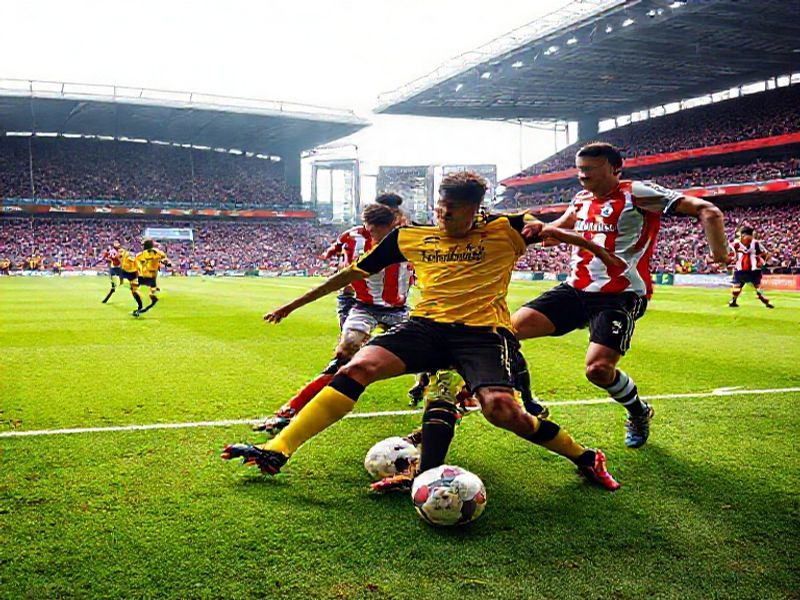
The Süper Lig, Turkey’s top-tier professional football division, has emerged as one of Europe’s most dynamic leagues in recent years. With a rich history dating back to 1959, the league has evolved from a regional competition into a global spectacle, attracting international talent and investment. Clubs like Galatasaray, Fenerbahçe, and Beşiktaş have become household names beyond Turkey’s borders, while emerging talents continue to showcase their skills on this competitive stage.
The Rise of Süper Lig in European Football
Once considered a secondary league in European football, the Süper Lig has steadily climbed the UEFA coefficient rankings. In the 2022-23 season, it secured the sixth spot, placing it ahead of traditional powerhouses like the Dutch Eredivisie and the Portuguese Primeira Liga. This upward trajectory reflects the league’s growing competitiveness and financial investments in infrastructure and player development.
Several factors contribute to this rise. The league’s clubs have significantly increased their spending on both domestic and international transfers. For example, players like Mauro Icardi at Galatasaray and Dusan Tadic at Fenerbahçe have brought star power and tactical sophistication to the league. Additionally, improved youth academies, such as Fenerbahçe’s Can Bartu Academy, are producing homegrown talents who can compete at the highest levels.
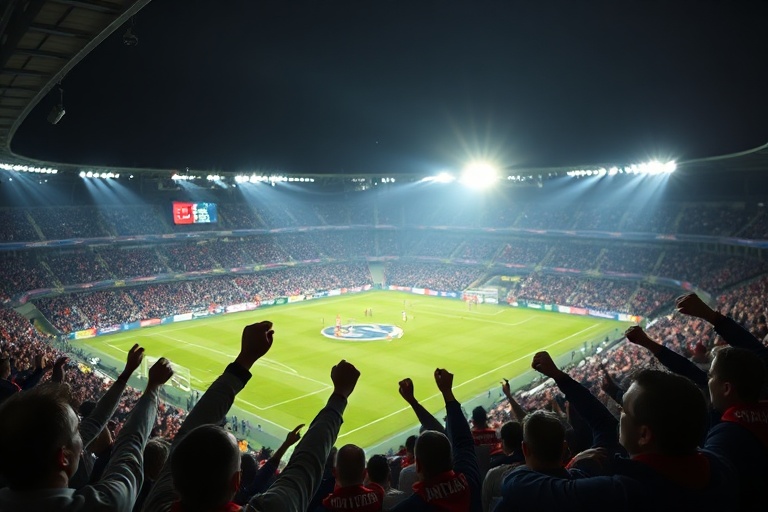
The Süper Lig’s appeal extends beyond the pitch. The electrifying atmosphere in stadiums like Istanbul’s Şükrü Saracoğlu Stadium (Fenerbahçe) and Vodafone Park (Beşiktaş) has drawn comparisons to South American football culture. The passionate fan bases, known for their vocal support and colorful choreography, create an unparalleled matchday experience that rivals some of Europe’s most iconic venues.
Key Clubs and Their Rivalries
The Süper Lig is defined by its intense rivalries, which add layers of drama and unpredictability to the season. The Istanbul derby between Galatasaray and Fenerbahçe is one of the most heated fixtures in world football, often referred to as the “Kıtalararası Derbi” (Intercontinental Derby) due to the historic rivalry between Europe and Asia. Matches between these two clubs are not just about points; they represent pride, history, and regional dominance.
Here are some of the league’s most prominent clubs and their defining characteristics:
- Galatasaray: The most successful club in Süper Lig history with 23 league titles. Known for its yellow and red colors, the club has a strong European pedigree, including a UEFA Cup and UEFA Super Cup triumph in 2000.
- Fenerbahçe: One of the most popular clubs globally, Fenerbahçe has won the Süper Lig 19 times. The club’s Şükrü Saracoğlu Stadium is renowned for its intimidating atmosphere, particularly during derby matches.
- Beşiktaş: The third member of Istanbul’s “Big Three,” Beşiktaş has claimed 16 league titles. The club is known for its loyal fan base, the “Çarşı,” which is famous for its political activism and vibrant tifos.
- Trabzonspor: The only club outside Istanbul to consistently challenge for the title, Trabzonspor has won the Süper Lig seven times. The club’s passionate fan base, known as “1461 Trabzon,” creates a fortress-like atmosphere at their Şenol Güneş Sports Complex.
These rivalries extend beyond the pitch, often reflecting social and cultural divides within Turkish society. The matches are not just sporting events but cultural phenomena that unite and divide communities across the country.
Financial Growth and Commercial Expansion
The Süper Lig’s financial growth has been remarkable over the past decade. According to Deloitte’s Football Money League report, Galatasaray became the first Turkish club to break into the top 20 in 2022, with revenues exceeding €200 million. This growth is driven by several revenue streams, including broadcasting rights, sponsorship deals, and commercial partnerships.
Broadcasting rights have played a pivotal role in the league’s financial ascent. In 2020, the Süper Lig secured a record-breaking deal with the digital platform N Sport+, worth approximately €1.1 billion over five years. This agreement not only increased revenue for clubs but also expanded the league’s global reach, with matches now broadcast in over 180 countries.
Sponsorship deals have also contributed to the league’s financial health. Major brands like Ülker, Turkcell, and Beko have partnered with Süper Lig clubs, providing substantial funding for player transfers, stadium improvements, and youth development programs. For instance, Galatasaray’s partnership with Ülker has been instrumental in funding high-profile signings like Mauro Icardi.
The commercial expansion of the Süper Lig is not limited to Turkey. Clubs like Fenerbahçe and Beşiktaş have established international academies and partnerships with global brands to enhance their brand value. These initiatives aim to grow the league’s fan base beyond Turkey’s borders, particularly in Europe, the Middle East, and Asia.
The Future of Süper Lig: Challenges and Opportunities
Despite its progress, the Süper Lig faces several challenges that could hinder its long-term growth. One of the most pressing issues is financial fair play compliance. UEFA’s regulations have forced many Turkish clubs to reassess their spending habits, leading to more sustainable financial models. However, the temptation to overspend for short-term success remains a risk.
Another challenge is the league’s infrastructure. While clubs like Galatasaray and Fenerbahçe have modern stadiums, others lag behind in terms of facilities and fan experience. Investments in stadium renovations and training grounds are essential to maintain competitiveness and attract top talent.
Despite these challenges, the Süper Lig has significant opportunities for growth. The league’s strategic location between Europe and Asia provides a unique advantage for attracting international players and fans. Additionally, the Süper Lig’s youth academies are beginning to produce world-class talent, reducing the reliance on expensive imports.
For example, the emergence of players like Yusuf Demir at Galatasaray and Emre Demir at Fenerbahçe highlights the potential of Turkey’s youth development programs. These young talents not only strengthen domestic clubs but also attract the attention of European giants, providing a potential revenue stream through transfers.
The Süper Lig’s future also hinges on its ability to maintain its competitive balance. The dominance of Istanbul’s “Big Three” has been a recurring theme in the league’s history, but clubs like Trabzonspor and Başakşehir have shown that they can challenge for titles. A more balanced league will not only enhance the quality of football but also increase fan engagement and commercial appeal.
The Süper Lig’s journey from a regional competition to a global spectacle is a testament to the passion and dedication of its clubs, players, and fans. As the league continues to evolve, it has the potential to become a permanent fixture in European football’s upper echelons. For football enthusiasts, the Süper Lig offers a unique blend of intensity, drama, and unpredictability that is hard to find elsewhere in the world.
For those looking to explore more about football leagues and their impact, check out our Sports and News categories on Dave’s Locker.