Tenerife: A Year-Round Global Destination Beyond Sun and Sand
Tenerife: A Year-Round Global Destination Beyond Sun and Sand
Tenerife is often overshadowed in travel conversations by its flashier Canary Islands neighbors, yet this island holds a unique position on the global tourism map. Unlike destinations that rely solely on seasonal appeal, Tenerife attracts visitors throughout the year with its diverse landscapes, cultural depth, and an infrastructure that balances mass tourism with authentic experiences. From the snow-dusted peak of Mount Teide to the colonial charm of La Laguna, the island offers layers of discovery that extend far beyond the typical resort experience.
The island’s global reputation has evolved significantly over the past few decades. Once primarily a winter escape for Europeans seeking respite from colder climates, Tenerife now draws travelers from North America, Asia, and beyond. Its transformation reflects broader trends in tourism, where authenticity and accessibility increasingly matter as much as leisure. The island’s ability to reinvent itself while preserving its cultural identity makes it a compelling case study in sustainable destination development.
The Geography of Diversity: More Than a Beach Destination
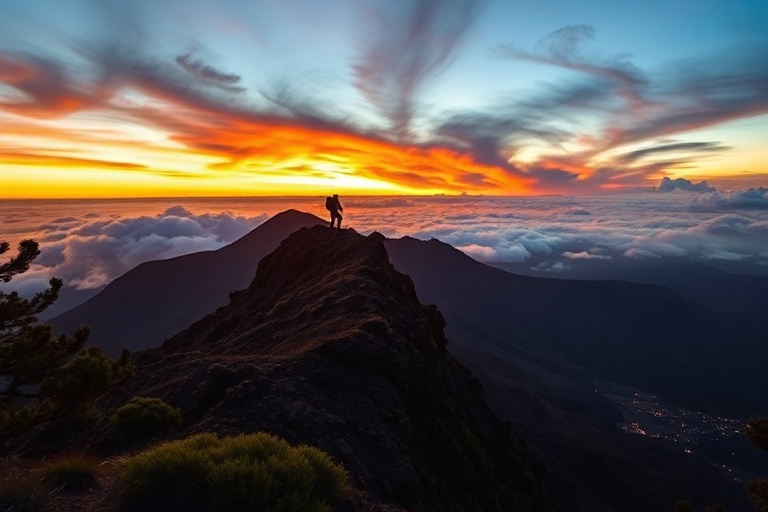
Tenerife’s physical geography is one of its most defining assets. Dominated by Mount Teide—Spain’s highest peak and a UNESCO World Heritage Site—the island presents a dramatic contrast of volcanic landscapes and lush valleys. The Teide National Park alone draws over three million visitors annually, not just for its lunar-like terrain but for its accessibility and year-round visibility.
Yet, the island is far from monolithic. Its northern coast, influenced by trade winds, is verdant and misty, home to the capital, Santa Cruz de Tenerife, and the historic university city of San Cristóbal de La Laguna. This region offers cooler temperatures, a thriving arts scene, and a slower pace of life. In contrast, the southern coast, particularly around Playa de las Américas and Los Cristianos, is characterized by golden beaches, high-rise resorts, and a vibrant nightlife that pulses with international energy.
The island’s microclimates are so distinct that travelers can experience multiple weather zones in a single day. This diversity allows for varied activities: hiking in Anaga Rural Park, surfing in El Médano, or stargazing on Teide’s slopes. Such geographic versatility is rare and contributes to Tenerife’s appeal as a destination that can satisfy both relaxation seekers and adventure enthusiasts.
Cultural Crossroads: Where History Meets Modernity
Tenerife’s cultural scene is a blend of indigenous Guanche heritage, Spanish colonial influence, and contemporary global connectivity. The island’s history is deeply rooted in its indigenous past. The Guanches, the original inhabitants, left behind cave dwellings, pottery, and a legacy that is celebrated in museums like the Museum of Nature and Man in Santa Cruz. This pre-Hispanic history adds a layer of intrigue to the island’s identity, making it more than just a sun-and-fun destination.
Colonial architecture is another defining feature. The historic center of La Laguna, a UNESCO site, showcases 16th-century buildings, cobblestone streets, and churches that reflect the island’s role in transatlantic trade. The island’s festivals, such as Carnival of Santa Cruz de Tenerife—one of the world’s largest and most vibrant—highlight its European flair mixed with local traditions. The Carnival, with its elaborate floats, music, and dance, attracts visitors from across the globe and has been recognized by UNESCO as an Intangible Cultural Heritage of Humanity.
Modern Tenerife is also a hub for cultural exchange. The island hosts international music festivals, art exhibitions, and film screenings, drawing artists and audiences from around the world. Venues like the Auditorio de Tenerife, designed by Calatrava, symbolize the island’s embrace of contemporary design and global culture. This fusion of old and new creates a dynamic environment where tradition and innovation coexist.
Tourism on Its Own Terms: Balancing Mass Appeal and Sustainability
Tenerife’s tourism model has long been a topic of debate. On one hand, the island’s economy relies heavily on tourism, which accounts for nearly 35% of its GDP. The southern resorts are a testament to mass tourism, with high-density accommodations and entertainment complexes catering to international crowds. On the other hand, local authorities and businesses are increasingly focused on diversifying the island’s appeal to attract higher-spending, longer-staying visitors.
Efforts toward sustainability are visible in initiatives like the Travel Association of Tenerife’s “Quality Tourism” program, which encourages responsible practices among hotels and tour operators. The island has also invested in eco-tourism, promoting activities such as whale watching in Los Gigantes, cycling tours through rural villages, and conservation projects in its natural parks. These efforts aim to reduce the environmental impact of tourism while enhancing the visitor experience.
Yet, challenges remain. Overtourism in peak seasons, particularly around Christmas and Easter, puts pressure on infrastructure and local communities. The debate over how to manage growth while preserving authenticity is ongoing. Some argue for stricter regulations on new developments, while others advocate for promoting lesser-known areas of the island to distribute tourist traffic more evenly.
Despite these challenges, Tenerife’s tourism sector remains resilient. The island’s ability to adapt—whether through promoting niche markets like gastronomy tourism or leveraging its UNESCO sites—demonstrates a strategic approach to long-term sustainability. For travelers, this means more options than ever to explore the island in a way that aligns with their values and interests.
The Global Gaze: How Tenerife Connects the World
Tenerife’s appeal is not confined to its shores. The island serves as a microcosm of global tourism trends, reflecting broader shifts in how people travel. Its international airport, one of the busiest in Spain, connects Tenerife to over 70 destinations worldwide, making it a gateway for travelers exploring the Atlantic or linking Europe with Africa and the Americas.
The island’s cultural and economic ties extend far beyond tourism. Tenerife is home to a diverse expatriate community, including retirees from Northern Europe, digital nomads working from co-working spaces in Puerto de la Cruz, and students attending the University of La Laguna. This multicultural environment enriches the island’s social fabric and creates opportunities for cross-cultural exchange.
Tenerife also plays a role in global conservation efforts. The island’s unique ecosystems, including its laurel forests and marine life, are protected under various international programs. Organizations like Wildlife Trusts and marine research initiatives collaborate with local authorities to monitor and preserve Tenerife’s biodiversity. These efforts not only protect the environment but also enhance the island’s appeal to eco-conscious travelers.
For businesses, Tenerife offers a strategic location for investment, particularly in sectors like renewable energy, technology, and hospitality. The island’s stable climate and skilled workforce make it an attractive destination for companies looking to establish a presence in the Canary Islands. This economic diversity helps cushion the island from the volatility of tourism alone.
Conclusion: Why Tenerife Matters Now More Than Ever
Tenerife is more than a holiday destination; it is a dynamic entity shaped by geography, history, and global forces. Its ability to reinvent itself while staying true to its roots makes it a model for other destinations facing similar challenges. Whether you’re drawn by the allure of Mount Teide, the rhythm of the Carnival, or the promise of a year-round escape, Tenerife offers something for everyone.
The island’s future will depend on its ability to balance growth with sustainability, tradition with innovation, and accessibility with exclusivity. For travelers, this means opportunities to explore Tenerife in ways that go beyond the ordinary—whether through immersive cultural experiences, eco-friendly adventures, or simply savoring the island’s diverse landscapes. In a world where travel is increasingly about connection and authenticity, Tenerife stands out as a destination that delivers on both fronts.
As global tourism continues to evolve, Tenerife’s story offers valuable lessons. It reminds us that the most compelling destinations are those that embrace change while honoring their heritage. For those willing to look beyond the surface, Tenerife reveals itself as a place of depth, diversity, and enduring appeal.