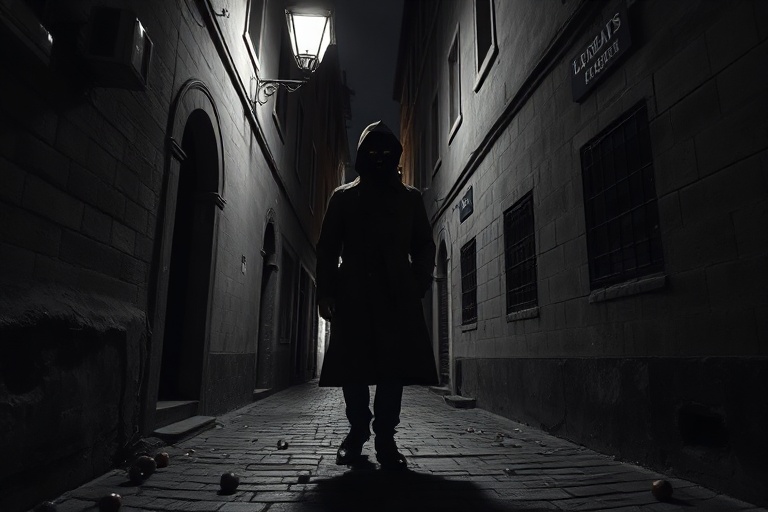
The Chestnut Man: How a Danish Crime Drama Challenges Global Audiences
The Chestnut Man, a gripping Danish crime thriller, has quietly carved out a space in the crowded Nordic Noir genre. Since its debut in 2019, the series has amassed a dedicated following across Europe and beyond, proving that compelling storytelling knows no language barriers. Based on the novel by Søren Sveistrup and produced by the team behind The Killing, the show blends meticulous police procedure with psychological depth, creating a narrative that lingers long after the credits roll.
What sets The Chestnut Man apart is its refusal to simplify the moral grayness of its characters. Detective Naia Thulin and her partner Mark Hess navigate a case that forces them to confront their own biases, while the antagonist’s motives remain disturbingly plausible. The series’ ability to balance procedural tension with character-driven drama has drawn comparisons to Scandinavian predecessors like The Bridge and Wallander, yet it carves its own identity through a focus on systemic failures in law enforcement.
The Story Behind the Chestnut Man
The premise of The Chestnut Man is deceptively simple yet chilling. A young girl is found murdered in a Copenhagen park, her body posed with a handmade chestnut doll clutched in her hand. The doll, a seemingly innocent childhood toy, becomes the symbol of a killer who leaves no other trace. As the investigation unfolds, the series delves into Denmark’s social and political undercurrents, exposing corruption in high places and the personal toll of institutional neglect.
The first season’s narrative hinges on a dual timeline structure. Flashbacks reveal the victim’s final days, while the present-day investigation exposes the fragility of the justice system. The Chestnut Man himself—referred to as such due to his signature doll—isn’t just a killer but a manifestation of societal rot. His victims are often overlooked figures, their disappearances met with bureaucratic indifference until it’s too late.
Søren Sveistrup, the series’ co-creator and showrunner, drew inspiration from real-life cases where marginalized individuals fell through the cracks. “We wanted to ask what happens when the system fails those who need it most,” Sveistrup explained in an interview. The result is a story that feels uncomfortably real, a rarity in crime dramas that often rely on exaggerated villains or implausible twists.
Why the Series Resonates Globally
The Chestnut Man’s international appeal lies in its universality. While rooted in Danish culture, the themes of institutional failure, media sensationalism, and the dehumanization of victims transcend borders. The series has been particularly well-received in countries with similar social structures, such as the Netherlands, Germany, and the UK, where audiences recognize the parallels in their own systems.
The show’s success also reflects a broader trend in Nordic Noir: the shift from isolated, small-town crimes to narratives that tackle systemic issues. Unlike earlier Scandinavian crime dramas that focused on the quirks of local communities, The Chestnut Man positions itself as a critique of modern governance. The chestnut doll, a symbol of childhood innocence, becomes a stark contrast to the cynicism of adults in power.
Critics and viewers alike have praised the series for its unflinching portrayal of bureaucracy. The police force in The Chestnut Man is neither infallible nor irredeemable but a flawed institution staffed by people struggling to do the right thing amid red tape and political pressure. This nuance elevates the series beyond typical crime fiction, offering a mirror to society’s own contradictions.
Key Themes Explored in The Chestnut Man
- Systemic Failure: The series highlights how institutions fail the vulnerable, from the police to child protective services.
- Media Sensationalism: News outlets in the show prioritize ratings over truth, distorting public perception.
- Moral Ambiguity: Characters like Naia Thulin and Mark Hess are neither heroes nor villains but products of their environment.
- Symbolism of the Chestnut Doll: Represents both innocence and the corruption that preys on it.
The Broader Implications of Nordic Noir’s Evolution
The Chestnut Man is part of a larger movement within Nordic Noir that prioritizes realism over escapism. While earlier series like Forbrydelsen (The Killing) focused on the emotional toll of crime on individuals, contemporary shows like The Chestnut Man and Beforeigners examine the societal rot beneath the surface. This shift reflects a growing demand for stories that challenge audiences to think critically about the world around them.
The genre’s international success has also paved the way for non-Scandinavian adaptations. The American remake of The Chestnut Man, currently in development at Netflix, is expected to transplant the story to an American setting while retaining its core themes. If executed well, this adaptation could introduce the narrative to an even wider audience, proving that the genre’s appeal is not limited by geography.
Moreover, the series’ focus on procedural realism has influenced other crime dramas, encouraging writers to prioritize authenticity over clichés. Shows like Mare of Easttown and Unforgotten have adopted a similar approach, blending meticulous detective work with deep character studies. This trend suggests that audiences are increasingly hungry for stories that feel grounded in reality, even when they involve fictional crimes.
Where to Go from Here
With two seasons under its belt and a third confirmed, The Chestnut Man shows no signs of slowing down. The second season expands the scope of the investigation, introducing new layers of conspiracy and political intrigue. Fans of the series can expect even darker themes in future installments, as the show continues to push the boundaries of Nordic Noir.
For those new to the series, the first season remains the best entry point, offering a self-contained story that doesn’t rely on prior knowledge. The pacing is methodical, rewarding patience with a payoff that feels both inevitable and shocking. The performances by Danica Curcic as Naia Thulin and Mikkel Boe Følsgaard as Mark Hess anchor the series, grounding the high-stakes drama in emotional authenticity.
If you’re looking for more Nordic Noir after finishing The Chestnut Man, consider diving into Søren Sveistrup’s other work, such as The Killing or The Rain. For a broader exploration of crime dramas that tackle systemic issues, check out Dave’s Locker’s News section for curated recommendations.
The Chestnut Man may be a fictional creation, but its impact is undeniably real. In an era where distrust in institutions is at an all-time high, the series serves as both a warning and a mirror. It reminds us that the line between good and evil is often blurred by the systems we’ve built—and that the most terrifying villains are not monsters, but the people who fail to protect us.
The final season of The Chestnut Man promises to deliver even more twists, but its greatest strength lies in its unflinching honesty. In a genre often defined by bleakness, this series stands out for its refusal to look away from the truth—no matter how uncomfortable.