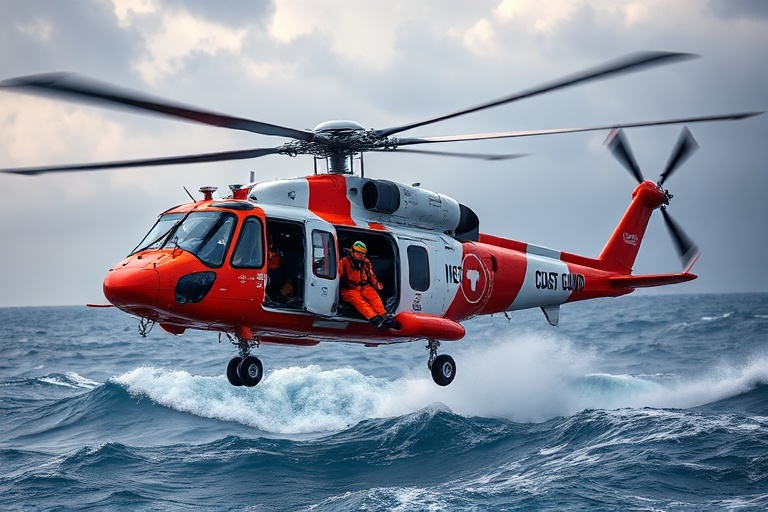
US Coast Guard: America’s Maritime Protectors and Their Global Impact
The United States Coast Guard stands as one of the nation’s most versatile and vital maritime services. Established in 1790 as the Revenue Cutter Service, it has evolved into a multi-mission agency tasked with protecting the public, the environment, and U.S. economic interests in the maritime domain. Unlike other branches of the armed forces, the Coast Guard operates under the Department of Homeland Security during peacetime but can be transferred to the Department of the Navy during wartime. This dual role underscores its unique position in American defense and civilian life.
The Coast Guard’s responsibilities are vast and varied. They include maritime law enforcement, search and rescue operations, environmental protection, icebreaking, and port security. Its jurisdiction spans more than 95,000 miles of coastline, navigable waters, and international waters where U.S. interests are at stake. With a fleet of cutters, aircraft, and specialized teams, the Coast Guard ensures safety and security across America’s maritime domains, often serving as the first line of defense against threats both natural and man-made.
The Coast Guard’s Core Missions: A Multifaceted Approach to Maritime Security
The Coast Guard’s work is defined by five primary missions, each critical to the nation’s well-being. These missions are not isolated; they often overlap, requiring seamless coordination and adaptability. Below is a breakdown of these core functions:
- Maritime Law Enforcement: The Coast Guard enforces federal laws on the high seas, territorial waters, and the contiguous zone. This includes combating drug trafficking, intercepting illegal migrants, and preventing smuggling operations. In 2023 alone, the Coast Guard seized over 350,000 pounds of cocaine and disrupted numerous human trafficking rings.
- Search and Rescue (SAR): One of the Coast Guard’s most visible roles is its SAR operations. The service conducts thousands of rescues annually, saving lives in some of the most treacherous conditions imaginable. From hurricane-stricken coastlines to icy Arctic waters, Coast Guard crews are often the difference between life and death.
- Maritime Safety: Ensuring the safe navigation of vessels is a cornerstone of the Coast Guard’s mission. This includes inspecting commercial ships, maintaining aids to navigation (such as lighthouses and buoys), and responding to maritime casualties. The service also collaborates with international partners to harmonize safety standards worldwide.
- Ports, Waterways, and Coastal Security: Given the critical role of ports in global trade, the Coast Guard plays a pivotal role in securing them. This mission involves monitoring vessel traffic, conducting security assessments, and responding to threats such as terrorism or cyberattacks on maritime infrastructure.
- Marine Environmental Protection: The Coast Guard is on the front lines of environmental stewardship, responding to oil spills, hazardous material incidents, and other threats to marine ecosystems. Its work ensures compliance with environmental laws and treaties, such as the Oil Pollution Act and the International Convention for the Prevention of Pollution from Ships (MARPOL).
Each of these missions is supported by a workforce of approximately 41,000 active-duty members, 8,500 reservists, and 31,000 civilian employees. Their expertise spans engineering, aviation, cybersecurity, and law enforcement, reflecting the diverse challenges the Coast Guard faces. The service’s ability to integrate these disciplines is a testament to its operational effectiveness.
Technological Innovation and the Future of the Coast Guard
The Coast Guard is not just a guardian of the present; it is also a pioneer in maritime technology. In an era of rapid technological advancement, the service is investing in cutting-edge tools to enhance its capabilities. One of the most significant initiatives is the modernization of its cutter fleet. The Offshore Patrol Cutter (OPC) program, for example, aims to replace aging vessels with 25 new ships designed for multi-mission operations. These cutters will feature advanced sensors, automation, and improved habitability for crews.
Aviation also plays a crucial role in the Coast Guard’s future. The service operates a fleet of helicopters and fixed-wing aircraft, including the MH-60 Jayhawk and the HC-144 Ocean Sentry. These platforms are being upgraded with modern avionics, radar systems, and mission-specific equipment to extend their operational lifespan and enhance their effectiveness. Additionally, the Coast Guard is exploring the use of unmanned aerial systems (UAS) for surveillance and reconnaissance, particularly in remote or hazardous environments.
Cybersecurity is another area of growing importance. As maritime infrastructure becomes increasingly connected, the risk of cyber threats rises. The Coast Guard is working to bolster its cyber defenses, ensuring the resilience of its networks and the critical systems it relies on. This includes partnerships with other federal agencies, private sector entities, and international organizations to share threat intelligence and best practices.
The Coast Guard’s focus on technology extends to its workforce as well. The service is investing in training programs to equip personnel with the skills needed to operate and maintain advanced systems. This includes partnerships with universities and technical schools to develop specialized curricula in fields such as maritime robotics, data analytics, and cybersecurity. By fostering a culture of innovation, the Coast Guard ensures it remains prepared for the challenges of tomorrow.
Broader Implications: The Coast Guard’s Role in National and Global Contexts
The Coast Guard’s impact extends far beyond its immediate missions. Its work has profound implications for national security, economic stability, and environmental sustainability. Domestically, the Coast Guard is a cornerstone of homeland security. Its ability to respond rapidly to threats, whether natural or man-made, provides a critical layer of protection for American citizens and infrastructure. In an era of increasing climate-related disasters, the Coast Guard’s search and rescue and environmental response capabilities are more vital than ever.
Globally, the Coast Guard represents American leadership in maritime governance. The service collaborates with allies and partners to combat transnational threats such as piracy, illegal fishing, and drug trafficking. Through initiatives like the Southeast Asia Maritime Security Initiative and joint exercises with NATO partners, the Coast Guard strengthens international maritime security and promotes adherence to rules-based order on the high seas. Its role in enforcing sanctions, such as those against North Korea, further underscores its importance in global security frameworks.
The Coast Guard also plays a key role in supporting American economic interests. The U.S. maritime industry contributes trillions of dollars to the national economy, and the Coast Guard’s efforts to secure ports and waterways ensure the smooth flow of commerce. By preventing disruptions caused by security incidents or environmental disasters, the service helps maintain the stability and competitiveness of American trade.
Environmentally, the Coast Guard is a leader in conservation and pollution response. Its work in combating marine debris, protecting endangered species, and responding to oil spills aligns with broader U.S. and international environmental goals. For example, the Coast Guard’s Arctic initiatives are crucial in addressing the challenges posed by melting ice and increased shipping activity in the region. By enforcing environmental laws and promoting sustainable practices, the service contributes to the preservation of marine ecosystems for future generations.
Conclusion: A Service Unmatched in Versatility and Dedication
The United States Coast Guard is a testament to the power of adaptability and dedication. From its humble beginnings as a small fleet of revenue cutters to its current status as a global leader in maritime security, the service has continually evolved to meet the challenges of its time. Its five core missions—maritime law enforcement, search and rescue, maritime safety, ports and waterways security, and marine environmental protection—demonstrate its multifaceted role in safeguarding the nation.
As technology advances and global threats evolve, the Coast Guard remains at the forefront of innovation. Its investments in new cutters, aircraft, and cybersecurity tools ensure it is prepared for the future. Meanwhile, its commitment to international collaboration and environmental stewardship underscores its role as a responsible global actor. In an era of increasing complexity, the Coast Guard stands as a beacon of reliability, resilience, and resolve.
For those who serve in its ranks or benefit from its mission, the Coast Guard is more than just a military service or law enforcement agency. It is a guardian of America’s shores, a protector of its waters, and a steward of its future. In a world where maritime challenges are only growing in scope and significance, the United States Coast Guard remains indispensable.
To learn more about maritime security and related topics, visit Dave’s Locker Trending or explore our News section for the latest updates.