Victory Day is more than a historical observance—it is a moment of reflection, gratitude, and collective memory. Across nations, this day marks the end of significant conflicts, serving as a reminder of sacrifice, resilience, and the cost of peace. While the specific events and dates vary by country, the underlying themes of remembrance and unity remain universal. This observance invites people to pause and consider the broader implications of war, victory, and the enduring struggle for freedom.
The Historical Roots of Victory Day
Victory Day traces its origins to the mid-20th century, emerging from the conclusion of World War II in Europe and Asia. In Europe, May 8 is widely recognized as VE Day (Victory in Europe Day), commemorating the formal acceptance of Nazi Germany’s unconditional surrender in 1945. The war had raged for nearly six years, leaving behind a trail of devastation that reshaped global politics, economies, and societies. The Allied victory represented not only military triumph but also the survival of democratic values against oppressive ideologies.
In the Pacific, August 15 is observed as VJ Day (Victory over Japan Day), marking Japan’s surrender following the atomic bombings of Hiroshima and Nagasaki. This event brought an end to the Pacific Theater and, with it, the deadliest conflict in human history. The dual observances of VE Day and VJ Day underscore the global scale of the war and the varied paths to peace across continents.
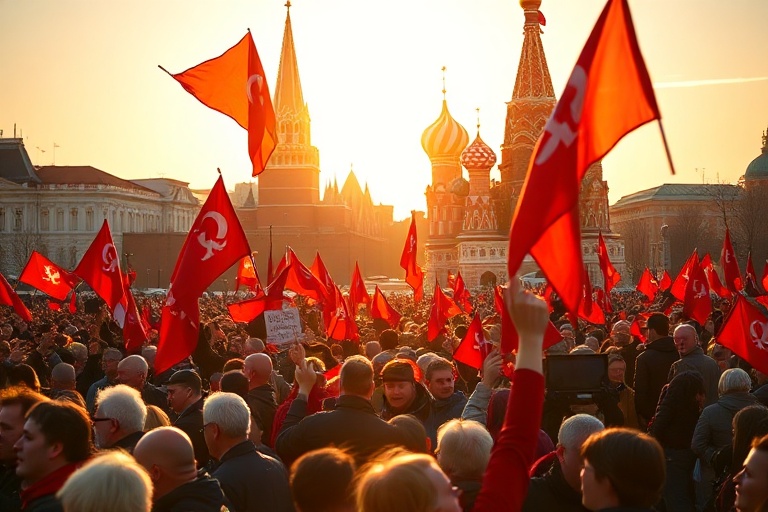
Beyond World War II, other nations observe Victory Day on different dates to commemorate pivotal moments in their own struggles for independence or liberation. For instance, Russia and several former Soviet states mark May 9 as the anniversary of Nazi Germany’s defeat, a day known as Den Pobedy (Day of Victory). The observance includes military parades, wreath-laying ceremonies, and public tributes to veterans, reflecting the deep cultural significance of this milestone.
Why Victory Day Matters Today
The relevance of Victory Day extends far beyond its historical context. In an era where global tensions and geopolitical conflicts persist, this day serves as a critical reminder of the human cost of war. It challenges contemporary societies to prioritize diplomacy, cooperation, and the preservation of peace. The lessons of the past—particularly the dangers of unchecked aggression and the importance of international alliances—remain as pertinent as ever.
Moreover, Victory Day plays a vital role in preserving collective memory. As time passes and the number of living veterans dwindles, the responsibility of passing down these stories falls increasingly to younger generations. Educational initiatives, public ceremonies, and digital archives ensure that the sacrifices of those who fought for freedom are not forgotten. These efforts foster a deeper understanding of history and encourage active citizenship.
Another key aspect of Victory Day is its ability to unite diverse communities. Parades, memorial services, and cultural events bring people together, transcending differences in background or belief. This shared experience reinforces social cohesion and highlights the values of unity and resilience that define a nation’s character.
Key Observances and Traditions
Victory Day is marked by a variety of traditions, each carrying its own symbolic meaning:
- Military Parades: Large-scale parades featuring service members, veterans, and military hardware are common in many countries. These events honor the armed forces and showcase national pride.
- Wreath-Laying Ceremonies: At memorials and cemeteries, wreaths are laid to pay respects to fallen soldiers. These solemn rituals emphasize remembrance and gratitude.
- Public Speeches: Leaders and dignitaries often deliver addresses highlighting the importance of peace, the lessons of history, and the ongoing need for vigilance against tyranny.
- Cultural Performances: Concerts, theatrical productions, and art exhibitions celebrate the cultural resilience of nations during wartime and their contributions to victory.
- Educational Programs: Schools and museums host events to educate younger generations about the historical context of Victory Day and its relevance today.
The Broader Implications of Victory Day
The legacy of Victory Day extends into modern geopolitics and international relations. The alliances forged during World War II laid the groundwork for institutions like the United Nations, which continue to promote global stability. The post-war order, while imperfect, established frameworks for conflict resolution, human rights, and economic cooperation. Observing Victory Day thus becomes a way to reaffirm commitment to these ideals.
Yet, the day also prompts reflection on the complexities of victory. While triumph is celebrated, the losses incurred—human lives, cultural heritage, and societal upheaval—cannot be overlooked. Victory Day invites a balanced perspective, acknowledging both the achievements and the sacrifices that define these historical moments.
For many veterans and their families, Victory Day is deeply personal. It is a time to honor loved ones who served, to share stories of courage, and to find solace in the knowledge that their efforts contributed to a more peaceful world. For younger generations, it is an opportunity to connect with history in a meaningful way, bridging the gap between past and present.
A Call to Remember and Act
Victory Day is not merely a relic of the past; it is a living observance that shapes how societies understand conflict, peace, and progress. By commemorating this day, communities reaffirm their dedication to preserving freedom and preventing the recurrence of such widespread devastation. The rituals and traditions associated with Victory Day serve as a bridge between generations, ensuring that the stories of those who fought for a better world are never silenced.
As we reflect on the significance of Victory Day, it is also a moment to consider the ongoing challenges to global peace. Conflicts persist in various regions, and the specter of war looms large in many parts of the world. In this context, Victory Day becomes a call to action—a reminder of the importance of diplomacy, international cooperation, and the protection of human rights.
Ultimately, Victory Day is about more than celebrating a military triumph. It is about honoring the values that make peace possible: courage, sacrifice, unity, and resilience. By keeping these values alive, societies ensure that the lessons of history continue to guide their path forward.