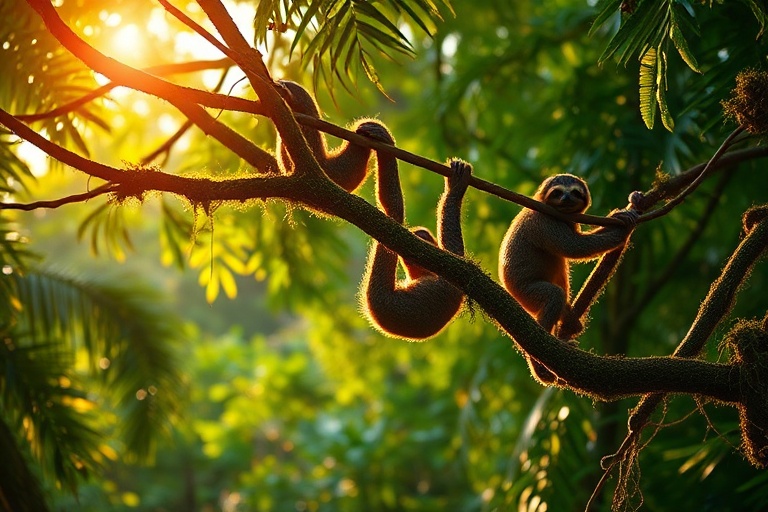
Sloth World: The Global Rise of a Sleepy Superstar
The three-toed sloth has evolved over 64 million years to move at a glacial pace, but in the digital age, it has become one of the fastest-rising stars of the internet. What began as niche wildlife fascination has exploded into a full-blown cultural phenomenon—one that spans memes, merchandise, and even scientific research. From viral videos in Tokyo to conservation programs in Costa Rica, the sloth’s slow charm has captured attention worldwide.
This isn’t just about cute animals. The rise of “Sloth World” reflects deeper shifts in how we consume content, value mindfulness, and even rethink productivity. In a time when digital life moves at lightning speed, the sloth offers a meditative counterbalance—a reminder that not everything needs to happen immediately. Its popularity also intersects with growing environmental awareness, as sloths become ambassadors for rainforest conservation.
The Science Behind the Sloth’s Sudden Stardom
Sloths are native to Central and South America, with two main families: the two-toed sloth and the three-toed sloth. Despite their sluggish reputation, they are highly adapted to their arboreal lifestyle. Their slow metabolism allows them to survive on low-energy diets like leaves, and their algae-covered fur supports entire ecosystems of insects and fungi.
Research has shown that sloths sleep up to 20 hours a day—not out of laziness, but due to evolutionary efficiency. This extreme restfulness, once seen as a weakness, is now celebrated online as a model of sustainable living. The contrast between their biology and modern fast-paced culture has made them unlikely icons of intentional slowness.
- Metabolism: Sloths digest food slowly, sometimes taking up to a month to process a single leaf.
- Movement: They descend trees only once a week to relieve themselves, risking predator exposure for a ritual that takes less than 30 seconds.
- Symbiosis: Their fur hosts algae that turns green, providing camouflage and additional nutrients when licked.
Scientists studying sloth behavior have noted that their calm demeanor may help them survive in fragmented habitats. As deforestation increases, sloths are often found clinging to isolated trees—an image that resonates with environmentalists and urban dwellers alike. Their resilience has made them symbols of quiet endurance in a rapidly changing world.
From Rainforests to Reels: The Digital Migration of Sloths
The sloth’s journey from forest floor to social media feed began quietly. Early YouTube videos in the 2010s featured rescued sloths in sanctuaries, their slow blinking and deliberate movements drawing curious viewers. One clip of a sloth “smiling” while being fed went semi-viral in 2012, amassing millions of views.
By 2016, sloths had fully entered the meme economy. The “Sloth Life” template emerged on Reddit and Twitter, pairing images of sloths with ironic captions about procrastination or burnout culture. Brands like Entertainment Weekly and BuzzFeed began using sloths to illustrate articles about work-life balance. Even sports teams adopted sloth mascots, playing on the idea of “slow and steady wins the race.”
TikTok accelerated the trend in 2020, when a video of a sloth stretching its arms toward a camera went viral. The clip, titled “When you finally wake up for your 9 a.m. class,” accumulated over 100 million views. Since then, sloth content has diversified: time-lapse videos of sloths waking up, ASMR-style recordings of their gentle breathing, and even “sloth cams” in zoos and rescues.
The digital economy has monetized the sloth in unexpected ways. Etsy shops sell sloth-themed candles, planners, and even slow cooker cozies. Apps like “Sloth Life” gamify relaxation, rewarding users for taking breaks. The sloth is no longer just an animal—it’s a lifestyle brand.
Cultural Symbolism: What Sloths Really Represent in Society
Across cultures, slowness is often stigmatized as laziness, but the sloth challenges that narrative. In Japanese culture, the concept of “ma” (間) values the space between things—silence, stillness, and patience. Sloths embody this idea, becoming symbols of mindfulness in a hyper-connected society. Their popularity in Japan has led to collaborations with wellness brands and even sloth cafes where visitors can interact with the animals in serene settings.
In Latin America, where many sloth species are native, the animals carry both ecological and spiritual significance. Indigenous traditions sometimes view sloths as guardians of the forest, their deliberate movements reflecting a deep connection to the rhythms of nature. As deforestation threatens their habitats, sloth conservation has become intertwined with Indigenous land rights and eco-tourism.
In the West, the sloth has been co-opted by both productivity gurus and burnout advocates. Some use sloth imagery to critique hustle culture, while others invoke them as examples of “optimal laziness”—doing just enough to survive. This duality speaks to a cultural tension: we celebrate speed and efficiency, yet we crave the sloth’s unhurried presence.
“The sloth doesn’t rush, but it never misses its moment. In a world obsessed with speed, it reminds us that timing is everything.”
— Environmental psychologist Dr. Elena Vasquez, 2023
The Future of Sloth World: Conservation and Commercialization
Despite their newfound fame, sloths face real threats. Habitat loss, road strikes, and the illegal pet trade are pushing species like the pygmy three-toed sloth toward extinction. Conservationists warn that viral fame doesn’t always translate to real-world protection. Many sloth sanctuaries in Costa Rica and Brazil rely on tourism and donations to fund rescues, but demand for sloth selfies has led to ethical concerns about animal welfare.
Organizations like the Sloth Conservation Foundation work to rehabilitate injured sloths and reintroduce them to the wild. They’ve partnered with social media influencers to spread awareness, using viral reach for conservation rather than just entertainment. The challenge lies in balancing the sloth’s commercial appeal with its ecological needs.
Meanwhile, the commercial side of Sloth World shows no signs of slowing. From sloth yoga retreats in Bali to sloth-themed NFTs, the animal’s image is being stretched into new forms. Some critics argue that this commodification risks trivializing the sloth’s real struggles. Others see it as an opportunity to fund research and habitat protection.
What’s clear is that Sloth World is more than a passing trend. It reflects a global yearning for balance—between speed and stillness, consumption and conservation, digital life and natural rhythms. Whether as a meme, a mascot, or a symbol of mindfulness, the sloth has clawed its way into the cultural mainstream.
A Call to Slow Down
The sloth’s rise isn’t just about cute animals or internet trends. It’s a cultural reset in disguise—a gentle nudge to reconsider how we live, work, and connect with the planet. In a world that often rewards speed above all else, the sloth offers an alternative: patience, presence, and perspective.
Perhaps the most radical thing about Sloth World isn’t its popularity, but what it represents. It’s a reminder that sometimes, the most revolutionary act is to do nothing at all.