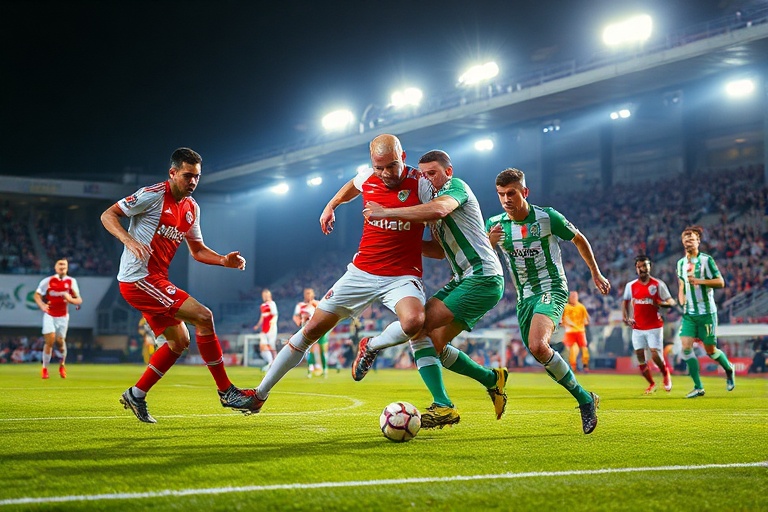
Polish football is known for its passionate fans and intense rivalries, none more so than the clash between Widzew Łódź and Lechia Gdańsk. These two clubs, separated by hundreds of miles, share a history that extends beyond the pitch. Their encounters are not just matches; they are cultural events that bring together communities with deep-rooted traditions. The rivalry between Widzew Łódź and Lechia Gdańsk is one of Poland’s most compelling, blending sportsmanship with the raw emotion of local pride.
The origins of both clubs trace back to the mid-20th century, a time when post-war Poland was rebuilding both its cities and its sporting identity. Widzew Łódź was founded in 1910 but gained prominence in the 1970s and 1980s as a dominant force in Polish football. Lechia Gdańsk, established in 1945, emerged from the ashes of war and quickly became a symbol of resilience for the people of Gdańsk. Their paths have crossed numerous times in the Ekstraklasa, Poland’s top football division, creating moments that have etched themselves into the annals of Polish sporting history.
The Historical Context: Two Clubs, Two Cities
Widzew Łódź, based in the industrial heart of central Poland, has long been associated with working-class values and a blue-collar ethos. The club’s golden era spanned the late 1970s to the early 1990s, when it won four league titles and reached the quarter-finals of the European Cup in 1983. That team, featuring legends like Zbigniew Boniek and Włodzimierz Smolarek, remains a benchmark for Polish football excellence.
Lechia Gdańsk, on the other hand, represents the maritime spirit of northern Poland. Founded by workers at the Gdańsk Shipyard, the club’s identity is intertwined with the city’s industrial heritage and its role in the Solidarity movement. While Lechia has historically been overshadowed by the dominance of clubs like Legia Warsaw or Górnik Zabrze, its resilience and loyal fanbase have kept it relevant in Polish football’s consciousness.
The first official meeting between Widzew Łódź and Lechia Gdańsk took place in 1949, a match that set the tone for decades of competitive and often heated encounters. Since then, the two teams have faced each other over 60 times in league and cup competitions, with Widzew holding a slight edge in terms of victories. However, the significance of these matches transcends statistics. For supporters, a Widzew vs Lechia game is a chance to assert local pride and honor their club’s legacy.
Key Moments in the Rivalry
One of the most memorable clashes occurred in the 1982-83 season, when Widzew, led by Boniek, secured a crucial 2-1 victory over Lechia in Łódź. That win was part of a campaign that saw Widzew finish as league runners-up, a testament to the intensity of their rivalry with Lechia. Another standout match took place in 2010, when Lechia stunned Widzew with a 3-1 home victory, a result that sparked celebrations in Gdańsk and frustration in Łódź.
The cultural divide between the two cities adds another layer to the rivalry. Łódź, once Poland’s industrial powerhouse, has a grittier, more industrial aesthetic. Gdańsk, with its historic port and Hanseatic architecture, exudes a maritime charm. These differences are reflected in the fan cultures of both clubs. Widzew’s supporters are known for their vocal and passionate displays, often filling the stands of the Stadion Widzewa with chants and drums. Lechia’s fans, while fewer in number, are equally fervent, creating an atmosphere that can be electric even in less high-stakes matches.
The Modern Era: Rivalry in the Ekstraklasa and Beyond
In recent years, the rivalry has taken on new dimensions as both clubs have navigated the challenges of Polish football’s evolving landscape. Widzew Łódź, once a powerhouse, has faced financial difficulties and relegation battles, while Lechia Gdańsk has enjoyed periods of stability and even continental competition. Despite these changes, the matches between the two teams remain highly anticipated events on the Polish football calendar.
In the 2021-22 Ekstraklasa season, Widzew and Lechia met in a tightly contested match that ended 1-1. The draw was a reflection of both teams’ struggles that season, but it also highlighted the enduring competitiveness of the rivalry. For fans, such results are less about points and more about pride. A draw against a historic rival is often seen as a moral victory, especially when the opposition is in better form.
The rivalry has also extended beyond the league, with both clubs meeting in the Polish Cup. These knockout encounters add an extra layer of drama, as the stakes are higher and the margin for error smaller. In 2019, Lechia eliminated Widzew in the round of 16, a result that was met with jubilation in Gdańsk and disappointment in Łódź. These cup clashes often produce some of the most dramatic moments in the rivalry, from last-minute goals to contentious refereeing decisions.
Fan Culture and the Atmosphere
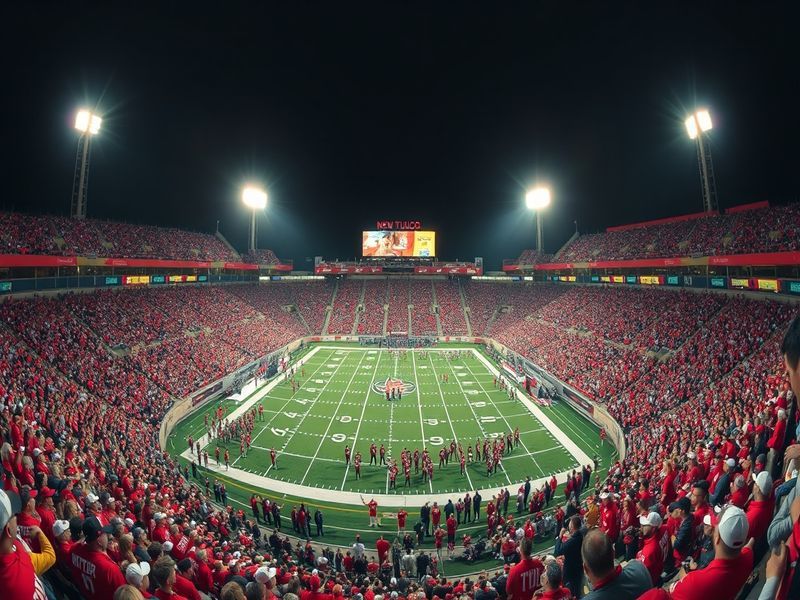
The atmosphere during a Widzew Łódź vs Lechia match is a spectacle in itself. Widzew’s Stadion Widzewa, with its capacity of over 18,000, becomes a cauldron of blue and white as fans create a wall of noise from the opening whistle. Chants like “Widzew! Widzew!” echo through the stadium, while flares and smoke add to the visual drama. Lechia’s supporters, though fewer in number, bring their own unique energy to the match, often traveling en masse to away games in Łódź.
One of the most striking aspects of the rivalry is the mutual respect between the two sets of fans. Despite the intensity on the pitch, there is a shared understanding of the historical significance of these matches. This respect is evident in the way fans interact before and after games, often engaging in friendly banter rather than outright hostility. It’s a rivalry that thrives on passion rather than animosity, a rare balance in modern football.
Why This Rivalry Matters in Polish Football
The Widzew Łódź vs Lechia Gdańsk rivalry is more than just a series of football matches. It is a reflection of Poland’s regional diversity, its sporting history, and the enduring power of local identity. In an era where football is increasingly dominated by globalized brands and commercial interests, this rivalry remains a bastion of authenticity. For the fans, it is a chance to celebrate their heritage and assert their place in Polish football’s rich tapestry.
The rivalry also serves as a reminder of the importance of community in football. Widzew Łódź and Lechia Gdańsk are not just clubs; they are institutions that represent the hopes, dreams, and struggles of their respective cities. Their matches are a celebration of local pride, a chance for fans to come together and share in the collective experience of supporting their team.
For younger fans, the rivalry offers a connection to the past. Many supporters of both clubs have family ties that stretch back generations, with parents and grandparents passing down their allegiances. This intergenerational bond ensures that the rivalry will endure, even as the players and coaches change over the years.
The Future of the Rivalry
As both clubs look to the future, the rivalry shows no signs of fading. Widzew Łódź, now competing in the I liga, is working to rebuild its squad and regain its place in the Ekstraklasa. Lechia Gdańsk, meanwhile, continues to strive for consistency and success in domestic and European competitions. Whenever the two teams meet, it will be with the same intensity and passion that has defined their encounters for decades.
For fans of Polish football, the Widzew Łódź vs Lechia Gdańsk rivalry is a reminder of why the sport is so beloved. It is not just about the goals, the tactics, or the points. It is about the stories, the traditions, and the communities that come together to celebrate the beautiful game. Whether in the top flight or the lower divisions, this rivalry will always hold a special place in the hearts of Polish football enthusiasts.
For those looking to explore more about Polish football’s rich history and rivalries, check out our Sports section for in-depth analysis and features. You can also dive into our News category for the latest updates on Polish football and beyond.