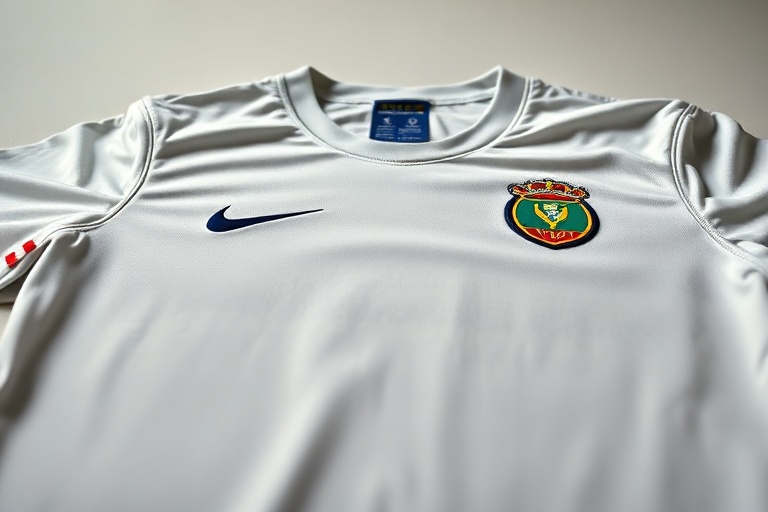
World Cup Debutant Kit Badges: A New Football Tradition Explained
The FIFA World Cup has long been a stage where football’s greatest talents emerge, but in recent tournaments, a subtle yet significant trend has taken root—the debutant kit badge. Worn by players making their first appearance at the tournament, these small embroidered emblems represent more than just a player’s debut; they symbolize ambition, national pride, and the fleeting nature of elite sporting careers.
Unlike permanent squad numbers or classic crest designs, these badges are temporary fixtures, sewn onto the jersey for the duration of the World Cup. Their introduction reflects FIFA’s evolving approach to player narratives, blending tradition with modern storytelling. As debutants step onto the global stage, these badges serve as a visual reminder of their moment in the spotlight.
The Origins of Debutant Kit Badges
The concept of debutant badges at the World Cup is not an official FIFA regulation but rather a tradition adopted by kit manufacturers and national federations. It gained noticeable traction during the 2014 World Cup in Brazil, where several teams, including France and Belgium, incorporated small star-shaped or circular badges to denote first-time participants.
While not universally applied—some teams opt for subtle embroidery or contrasting fabric instead of a badge—these emblems have become increasingly popular. They offer fans and collectors a tangible link to emerging talent, much like the coveted “World Cup debut” pins or stickers that once adorned school notebooks in football-crazy nations.
Manufacturers like Nike, Adidas, and Puma have embraced the trend, often designing these badges to complement the jersey’s aesthetic. Some feature the player’s name or squad number, while others keep it minimal, using abstract shapes or national colors to maintain visual harmony.
Why Teams Choose to Add Debutant Badges
For national teams, debutant badges serve multiple purposes. First, they create a sense of occasion for young players stepping into the World Cup arena. The badge acts as a visual cue for fans, signaling that a player is experiencing their first major international tournament—a milestone in any footballer’s career.
Second, these badges can enhance the commercial appeal of jerseys, particularly for collectors and memorabilia enthusiasts. Limited-edition World Cup kits already hold significant value, but adding a debutant badge makes them even more unique. Some fans prioritize purchasing jerseys of players making their first appearance, knowing the piece represents a singular moment in football history.
Lastly, debutant badges help national federations market their squads as dynamic and forward-thinking. In an era where youth development is a key focus, highlighting debutants aligns with broader narratives of renewal and ambition. It’s no coincidence that teams with strong youth academies, such as Belgium or Portugal, have been early adopters of this trend.
The Design Evolution: From Subtle to Statement
The design of debutant badges has evolved from understated embroidery to more elaborate and sometimes bold additions. Early versions were often small, monochromatic, and placed discreetly near the shoulder or collar. However, as the trend has grown, so has the creativity behind these designs.
For the 2018 World Cup in Russia, France’s kit featured a small golden star on the left chest of players making their debut. The star, a subtle nod to the team’s World Cup-winning history, also served as a personal milestone marker. Meanwhile, Argentina’s 2022 kit included a minimalist circular badge with the player’s name and “Qatar 2022” engraved on the inside—a small but meaningful touch for fans.
Some kits have taken a more artistic approach. Morocco’s 2022 World Cup jersey included a triangular badge with intricate geometric patterns, blending the badge seamlessly into the jersey’s design. The badge was not just a marker of debut but also a celebration of Moroccan craftsmanship and cultural motifs.
As kits become more personalized, debutant badges may evolve further. Some designers are experimenting with glow-in-the-dark threads or metallic finishes, ensuring these symbols stand out under stadium lights. Others are incorporating QR codes or NFC chips, linking the badge to exclusive digital content—such as player interviews or behind-the-scenes footage.
The Fan Perspective: Collectibility and Sentiment
For football fans, debutant kit badges add a layer of emotional resonance to World Cup jerseys. Owning a jersey worn by a debutant player is akin to holding a piece of tournament history. Collectors often seek out jerseys from players who later become stars, making the debutant badge a prized possession.
Social media has amplified this trend, with fans showcasing their jerseys online and sharing stories of why they chose to buy them. Platforms like Instagram and eBay have become hubs for trading and selling rare World Cup memorabilia, where debutant badges can significantly increase a jersey’s value.
However, the trend also raises questions about sustainability. With football’s growing focus on eco-friendly practices, some critics argue that temporary badges contribute to waste, particularly if they are sewn onto jerseys that will not be reused. As a result, manufacturers are exploring removable or recyclable alternatives, ensuring the tradition does not come at the expense of the environment.
Will Debutant Badges Become Permanent?
While debutant badges are not yet an official FIFA requirement, their growing popularity suggests they could become a staple of World Cup kits. The 2026 World Cup, co-hosted by the United States, Canada, and Mexico, may see even more teams adopting the tradition, particularly as kits become more personalized and fan-focused.
For now, these badges remain a voluntary addition, driven by national federations and manufacturers. Their future may depend on fan demand and the commercial success of limited-edition jerseys. If the trend continues, we could see debutant badges become as iconic as the World Cup crest itself—a small but meaningful symbol of football’s ever-changing landscape.
As the 2026 tournament approaches, one thing is clear: debutant kit badges are more than just a fashion statement. They are a celebration of football’s past, present, and future, woven into the fabric of the game itself.
For those looking to explore more about World Cup trends and memorabilia, check out our Collectibles and Sports categories for in-depth guides and exclusive finds.