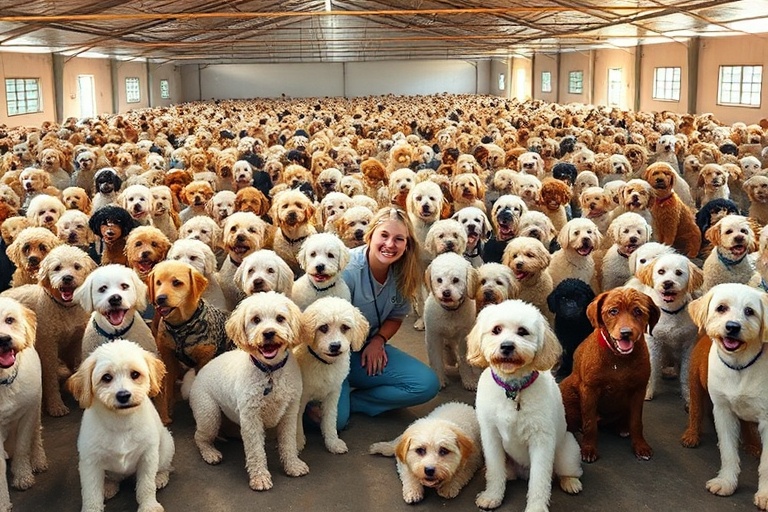
250 Poodle Cross Dogs Rescued: A Community’s Fight for Survival
The rescue of 250 poodle cross dogs from a single facility in rural Ohio has become one of the most complex animal welfare operations in recent memory. These dogs, ranging from tiny toy crosses to larger standard mixes, were discovered in deplorable conditions—overcrowded, malnourished, and suffering from untreated medical conditions. The scale of the rescue highlights systemic issues in the pet breeding industry and the critical role of grassroots organizations in saving vulnerable animals.
The Discovery: From Neglect to Rescue
The operation began when an anonymous tip reached the Ohio Department of Agriculture. Investigators found a breeding facility operating without proper licenses, where dogs were confined in stacked cages with no access to sunlight or fresh air. Many showed signs of severe neglect, including matted fur, dental disease, and parasitic infections. Veterinarians who arrived on scene described the conditions as “one of the worst cases of animal hoarding” they had ever encountered.
Among the rescued dogs were poodle crosses—primarily Labradoodles, Goldendoodles, and Bernedoodles—breeds in high demand due to their hypoallergenic coats and family-friendly reputations. However, their suffering at the facility starkly contrasted with the image promoted by commercial breeders. The Ohio Society for the Prevention of Cruelty to Animals (SPCA) coordinated with local shelters and rescue groups to transport the dogs to temporary care facilities.
Timeline of the Rescue
- Day 1: Authorities raid the facility after receiving the tip. Dogs are seized and transported to emergency shelters.
- Day 3: Initial medical assessments begin. Over 60% of the dogs require immediate treatment for infections, malnutrition, or injuries.
- Day 7: Social media campaigns launch to find foster homes and adopters. Volunteers organize donation drives for supplies.
- Day 14: Foster networks expand as rescue groups step in to provide long-term care.
The Role of Rescue Organizations in Large-Scale Operations
Large-scale rescues like this one rely on the coordination of multiple organizations, each bringing unique expertise. The Ohio SPCA handled the legal and logistical aspects, while smaller rescues focused on medical triage and rehabilitation. National groups like the Humane Society of the United States provided funding and advocacy to prevent similar incidents in the future.
Volunteers played a crucial role in the operation. From transporting dogs to fostering, their efforts ensured that no animal was left behind. Many had experience with poodle crosses, recognizing their intelligence and adaptability. These dogs, once seen as status symbols by irresponsible breeders, were now given a second chance at life.
Challenges Faced During the Rescue
- Medical Overload: The sheer number of dogs overwhelmed local veterinarians. Many required surgeries, dental work, or long-term medication.
- Behavioral Issues: Some dogs exhibited fear aggression due to prolonged confinement. Rehabilitation specialists were brought in to help them recover.
- Space Constraints: Temporary shelters struggled to accommodate the influx. Some dogs were moved to neighboring states for care.
What Happens Next? Adoption and Advocacy
As of this writing, over 150 dogs have been adopted, with the rest in foster care or rehabilitation. Rescue groups emphasize that adoption is not just about giving a dog a home—it’s about breaking the cycle of exploitation. Prospective adopters are screened to ensure they can meet the dogs’ needs, especially those with ongoing medical conditions.
The case has also sparked conversations about regulating the breeding industry. Advocates are pushing for stricter laws on licensing, inspections, and breeding limits. Some states, including Ohio, are considering new legislation to prevent future abuses. Meanwhile, the rescued dogs serve as a reminder of the importance of adoption over purchasing from breeders.
How to Help
Even now, the dogs still in care need support. Here’s how the public can contribute:
- Adopt or Foster: Many rescues are still looking for permanent or temporary homes. Check local shelters or organizations like Petfinder.
- Donate Supplies: Items like food, leashes, and cleaning supplies are always needed. Monetary donations help cover medical costs.
- Advocate for Change: Contact local representatives to support stronger animal welfare laws. Share information on social media to raise awareness.
The Bigger Picture: Ending Breed Exploitation
This rescue is more than a story of survival—it’s a call to action. The demand for “designer” dog breeds has fueled a lucrative industry where profit often outweighs animal welfare. Many breeders operate puppy mills disguised as reputable businesses, prioritizing quantity over the health of their animals.
Poodle crosses, in particular, have been marketed as ideal family pets due to their low-shedding coats. However, the reality for many of these dogs is far from ideal. They are frequently abandoned when they don’t meet buyers’ expectations or develop health problems. The Ohio rescue exposes the dark side of this trend and underscores the need for ethical pet ownership.
For the 250 dogs saved, the road to recovery will be long. But their resilience offers hope—not just for their futures, but for the future of animal welfare. Their story is a testament to what can happen when communities come together, proving that even the most dire situations can be turned around with compassion and determination.
As one volunteer put it, “These dogs didn’t choose this life. But we can choose to give them another one.”