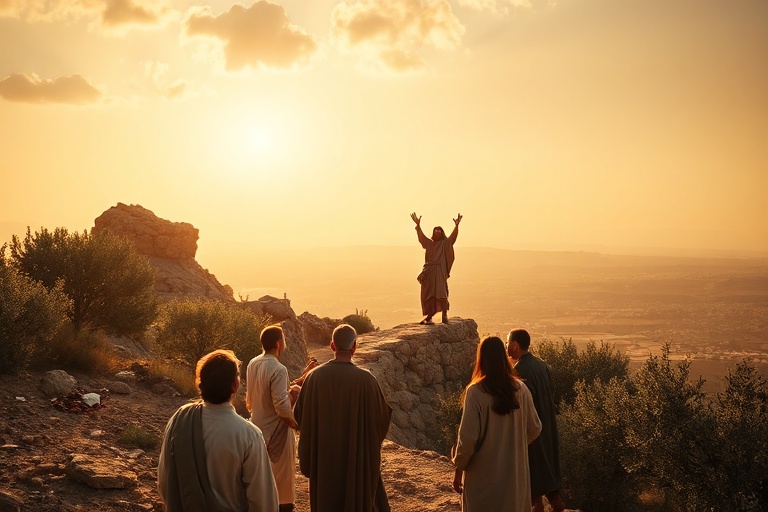
ascension day
Ascension Day marks the fortieth day after Easter when Christians commemorate Jesus Christ’s ascension into heaven. This solemn observance holds deep theological significance across multiple denominations, blending ancient tradition with contemporary practice. While often overshadowed by Easter celebrations, Ascension Day represents a pivotal moment in Christian narrative and liturgical calendar.
The Biblical Foundation of Ascension Day
The event traces its origins to the New Testament accounts found in Luke 24:50-53 and Acts 1:6-11. According to Luke’s Gospel, Jesus led his disciples to Bethany before blessing them and ascending to heaven. The Acts of the Apostles provides additional detail about the visible nature of this event, describing it as witnessed by the disciples who stood gazing upward as a cloud obscured Jesus from view.
This ascension serves as the culmination of Christ’s earthly ministry and the beginning of the Church’s mission. The forty-day period between Resurrection and Ascension carries particular significance in biblical numerology, representing completeness and preparation. During this time, according to Acts 1:3, Jesus appeared to his followers and spoke about the kingdom of God, providing final teachings before his departure.
Key Theological Implications
The ascension carries several profound theological implications that shape Christian belief:
- Exaltation of Christ: The event demonstrates Jesus’ return to his pre-existent glory with the Father, fulfilling his messianic mission.
- Pneumatology: The ascension creates space for the Holy Spirit’s coming at Pentecost, as Jesus promised to send another Advocate.
- Eschatology: It anticipates Christ’s future return in glory, with angels promising his second coming in like manner.
- Ecclesiology: The ascension commissions believers for mission, establishing the Church’s role in continuing Christ’s work.
Historical Development and Liturgical Practices
The observance of Ascension Day developed gradually in early Christianity. By the fourth century, evidence suggests its recognition as a distinct feast day separate from Easter. The Council of Elvira in 300 AD and the Apostolic Constitutions from the fourth century both reference this observance, indicating its early establishment in Christian tradition.
Different Christian traditions observe Ascension Day with varying emphases. In Western Christianity, it typically falls on the fortieth day after Easter Sunday, always landing on a Thursday. Eastern Orthodox churches calculate this date differently using the Julian calendar, often resulting in a later observance that sometimes coincides with Pentecost in Western traditions.
Regional Variations in Celebration
Cultural expressions of Ascension Day vary significantly across Christian communities:
- Germany: Known as Christi Himmelfahrt, it’s a public holiday with traditional processions and the blessing of fields.
- Netherlands: The Feast of the Ascension includes special church services and family gatherings.
- Ethiopia: Celebrated with colorful processions and traditional music in the Ethiopian Orthodox tradition.
- United States: Less prominently observed but recognized in many mainline Protestant and Catholic churches.
In some regions, Ascension Day has taken on additional cultural significance beyond its religious roots. In Germany, for example, the holiday coincides with Father’s Day celebrations, creating a unique blend of religious and secular observances.
Ascension Day in Contemporary Context
Modern observance of Ascension Day faces both challenges and opportunities in contemporary society. Declining church attendance in Western contexts has reduced its public visibility, though many denominations continue to emphasize its theological importance. The COVID-19 pandemic particularly disrupted traditional Ascension Day observances, forcing many churches to adapt with online services and creative digital alternatives.
Despite these challenges, Ascension Day maintains relevance through several contemporary lenses:
- Interfaith Dialogue: The ascension narrative invites conversation between Christian and Muslim traditions, as both traditions affirm Jesus’ ascent to heaven.
- Artistic Expression: The ascension has inspired centuries of religious art, from Renaissance paintings to modern interpretations in film and literature.
- Personal Reflection: For individual believers, the day offers opportunity for spiritual reflection on themes of departure, hope, and divine presence.
- Ecumenical Witness: Joint observances between different Christian denominations highlight shared beliefs about Christ’s lordship and the Church’s mission.
Theological Reflection in Modern Context
Contemporary theologians often emphasize Ascension Day’s relevance for modern faith communities. The absence of Christ’s physical presence raises important questions about divine immanence and the nature of Christian hope. As theologian Jurgen Moltmann noted, “The ascension does not mean absence but a new mode of presence.” This perspective helps believers understand Christ’s continued involvement in the world despite his physical absence.
For many, the ascension narrative speaks powerfully to experiences of loss and transition. In an era marked by rapid change and uncertainty, the promise of Christ’s continued guidance and the Holy Spirit’s presence offers comfort and direction. This theological framework provides a foundation for understanding human life as oriented toward divine purposes.
Practical Ways to Observe Ascension Day
While Ascension Day may not receive the same attention as major holidays, individuals and families can engage with its themes through intentional practices. Many churches offer special services that incorporate the traditional reading of the ascension narrative and prayers for the Holy Spirit’s guidance. These services often include hymns celebrating Christ’s lordship and the Church’s mission.
For those seeking to mark the day at home, several simple practices can deepen engagement:
- Reading the ascension accounts in Luke 24:50-53 or Acts 1:6-11
- Praying for the Holy Spirit’s presence and guidance
- Discussing the theological implications of Christ’s ascension with family or friends
- Creating art or writing reflections inspired by the ascension theme
- Participating in acts of service that continue Christ’s ministry in the world
Religious observances often intersect with cultural celebrations in ways that enrich both traditions. For those interested in exploring how faith traditions manifest in popular culture, examining these intersections can provide valuable insights into the enduring power of religious narratives.
Ascension Day and the Liturgical Calendar
The placement of Ascension Day within the Christian year serves important theological purposes. It bridges the Easter season and the season of Pentecost, creating a period of anticipation for the Holy Spirit’s coming. This liturgical positioning emphasizes the continuity between Christ’s work and the Church’s mission, showing how salvation history unfolds through divine action and human response.
In many traditions, Ascension Day also marks the beginning of Rogation Days, a period of prayer for God’s blessing on the harvest. This connection between Christ’s ascension and agricultural concerns reflects the integration of faith and daily life in Christian practice.
Conclusion: The Enduring Significance of Ascension Day
Ascension Day represents more than a historical event from antiquity; it embodies enduring truths about Christian faith and the nature of divine action in the world. The ascension narrative challenges believers to live with hope in God’s promises while actively participating in Christ’s ongoing mission. In an era of increasing secularization, this theological framework offers profound resources for understanding human purpose and destiny.
As Christian communities continue to adapt to changing cultural contexts, the observance of Ascension Day provides an opportunity to reflect on the essential elements of faith: Christ’s lordship, the Spirit’s presence, and the Church’s mission. Whether through traditional worship or contemporary expressions, the themes of Ascension Day continue to resonate with believers seeking meaning in a complex world.
For those exploring Christian traditions or seeking to deepen their spiritual practice, Ascension Day offers a valuable moment of reflection on the nature of divine presence and human vocation. Its enduring significance lies not in spectacular displays but in the quiet power of its theological claims about God’s continuing work in the world.