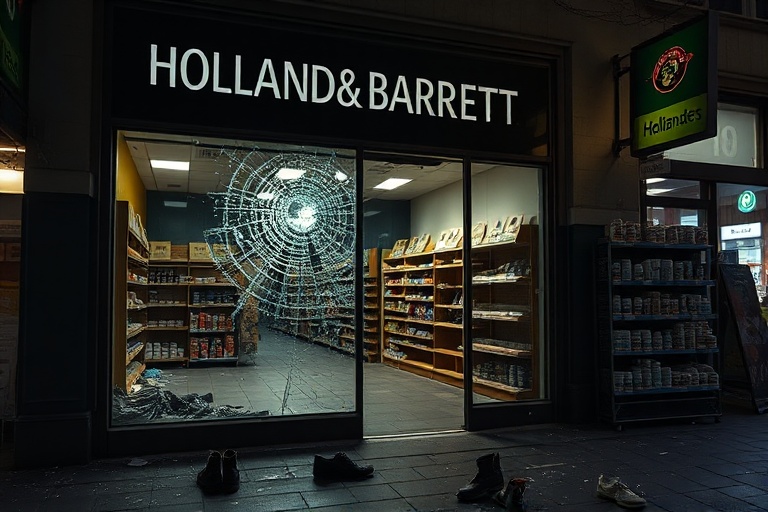
Boots and Holland & Barrett Thefts: The UK Retail Crime Surge
Retail theft has surged across the UK, with high-profile chains like Boots and Holland & Barrett becoming frequent targets. Thefts are no longer isolated incidents but part of a broader pattern of organized retail crime that threatens both businesses and consumers.
In recent months, reports of brazen shoplifting incidents have escalated. Vandals smash display cases, grab high-value merchandise, and flee before staff can intervene. Some thieves operate in groups, overwhelming security measures with sheer numbers.
How Thefts Are Escalating in Boots and Holland & Barrett Stores
Both Boots and Holland & Barrett have acknowledged the growing problem. Boots, a household name for pharmacy and beauty products, has seen repeated thefts of premium skincare lines and high-end fragrances. Meanwhile, Holland & Barrett, known for supplements and wellness products, has lost stock of high-cost vitamins and alternative health remedies.
The thefts follow a disturbingly similar pattern:
- Timing: Most incidents occur during peak shopping hours when stores are busiest.
- Method: Thieves often target items that are easy to conceal or resell online.
- Consequences: Staff face increasing stress and safety concerns, while customers report disrupted shopping experiences.
One Boots employee in London described a recent incident where three individuals walked in, grabbed several luxury skincare sets, and left within minutes without paying. Security footage showed them casually exiting through the front door.
The Broader Impact: Rising Crime and Its Ripple Effects
Beyond immediate financial losses, these thefts have wider implications. Retailers are forced to invest more in security—from additional staff to surveillance technology—driving up operational costs. Some stores have even reduced operating hours or closed sections entirely to mitigate risk.
Customers also feel the impact. Longtime shoppers at Boots and Holland & Barrett report frustration over empty shelves and heightened security presence, which can feel unwelcoming. The theft of high-demand products like vitamin D or pain relief medications also creates artificial shortages, affecting those who genuinely need them.
Organized retail crime is not new, but its scale has evolved. Criminal networks now exploit online marketplaces to resell stolen goods, making theft a lucrative enterprise. The ease of selling through platforms like eBay or Facebook Marketplace has emboldened thieves, knowing they can offload merchandise quickly.
What’s Being Done—and What More Can Be Done
Retailers are taking steps to combat theft. Boots has increased security patrols and installed additional surveillance cameras in high-theft areas. Holland & Barrett has partnered with local law enforcement to monitor repeat offenders and share intelligence.
However, critics argue that more systemic solutions are needed. Some propose stricter penalties for organized retail crime, while others call for better coordination between retailers, law enforcement, and online platforms to disrupt resale networks.
In response to the crisis, industry groups are pushing for legislative changes that would make it harder for criminals to profit from stolen goods. Proposals include mandatory verification for high-value resale items and harsher penalties for repeat offenders.
Looking Ahead: Can Retail Theft Be Stopped?
The challenge is daunting. As long as demand exists for stolen goods—whether for personal use or resale—theft will persist. But with coordinated efforts from retailers, law enforcement, and policymakers, there’s hope for meaningful change.
For now, shoppers may notice more security measures in their favorite stores. But the real solution lies in addressing the root causes of organized retail crime and disrupting the networks that enable it.
Until then, the thefts continue—leaving retailers, employees, and customers to navigate an increasingly uncertain retail landscape.
For more on retail trends and security challenges, visit Dave’s Locker Trending section or explore News updates on similar topics.