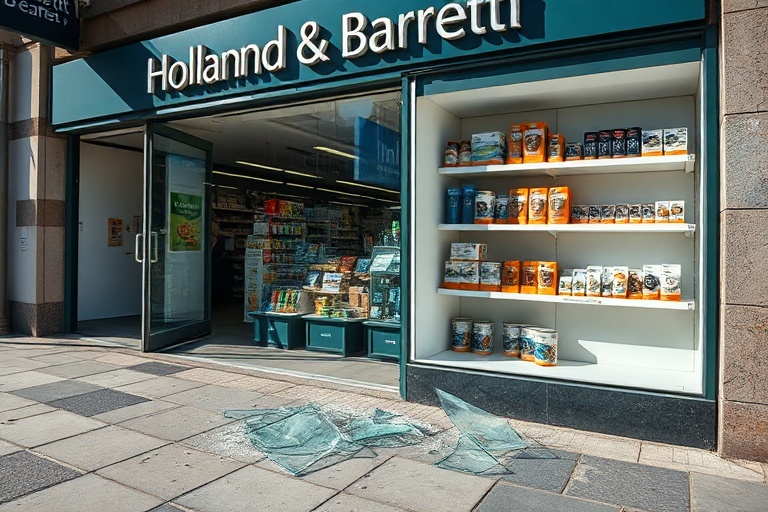
Boots, Holland & Barrett Thefts Rise: What’s Behind the Surge?
Thefts from Boots and Holland & Barrett stores have surged across the UK, prompting retailers to voice concerns over organized crime and the impact on staff and customers. Recent data shows a sharp increase in shoplifting incidents, with some locations reporting daily thefts of high-value items such as skincare products, vitamins, and beauty treatments.
While theft is not uncommon in retail, the scale and frequency of these incidents have raised alarms. Industry analysts suggest a combination of economic pressures, opportunistic theft, and the resale value of stolen goods may be driving the trend. Retailers are now calling for stronger enforcement and policy changes to address the issue.
The Numbers Behind the Trend
According to the British Retail Consortium (BRC), incidents of theft have risen by nearly 27% in the past year. Boots and Holland & Barrett, both owned by parent company H&B Group, have reported significant increases in shoplifting at their high street locations. In some cases, thefts have led to violent confrontations between staff and thieves, further escalating the situation.
A breakdown of reported incidents reveals that thefts are not isolated to large cities. Smaller towns and suburban areas have also seen a rise, suggesting that the problem is widespread rather than concentrated in urban centers. The BRC’s data indicates that theft accounts for over 9% of total retail losses, with beauty and health products being the most frequently targeted.
Retailers have highlighted that theft is not just about lost revenue. The emotional toll on staff, who often face aggressive thieves, has become a growing concern. Many employees report feeling unsafe at work, with some stores reducing opening hours or limiting stock to mitigate risks.
Why Are These Stores Being Targeted?
Several factors contribute to the spike in thefts at Boots and Holland & Barrett. One key reason is the high resale value of the products these stores sell. Skincare items, vitamins, and beauty treatments often fetch high prices on resale platforms, making them attractive targets for thieves.
Economic pressures, including the cost-of-living crisis, may also play a role. With household budgets tightening, some individuals may see theft as a way to obtain products they cannot afford. However, industry experts warn that this is not the sole driver, as thefts are being carried out by organized groups rather than individuals in need.
Another factor is the perceived low risk of being caught. Many thieves operate under the assumption that retailers and law enforcement will not pursue low-value thefts aggressively. This perception is reinforced by understaffed stores and reduced police presence in many areas.
Additionally, the rise of online marketplaces has made it easier for thieves to sell stolen goods quickly and anonymously. Platforms that do not thoroughly vet sellers create an environment where stolen products can be moved with minimal scrutiny.
The Retail Response: Security and Policy Changes
In response to the surge in thefts, Boots and Holland & Barrett have implemented a range of measures to protect their stores and staff. These include increased surveillance, stricter access controls, and partnerships with local law enforcement to deter criminal activity.
Some stores have also begun to limit the availability of high-risk products, either by locking them behind counters or reducing the quantity on shelves. While these steps may reduce theft, they also inconvenience customers who rely on easy access to essential products.
Retailers are also calling for stronger penalties for repeat offenders and better coordination with law enforcement. The BRC has urged the government to classify shoplifting as a priority offense and provide additional resources to combat organized retail crime.
Holland & Barrett, in particular, has emphasized the importance of community engagement. The retailer has partnered with local crime prevention initiatives to raise awareness and encourage reporting of suspicious activity. Boots, meanwhile, has invested in training for staff to handle theft situations safely and effectively.
The Broader Impact on Retail and Consumers
The rise in thefts has broader implications for the retail industry and consumers alike. For retailers, the financial losses from theft can lead to higher prices, reduced product availability, and store closures in high-risk areas. This, in turn, affects job security for employees and limits choices for shoppers.
Consumers may also feel the impact through increased security measures, such as bag checks or limited access to certain products. While these measures are intended to protect stores, they can create a sense of unease among shoppers who feel that their safety and convenience are being compromised.
There is also a psychological effect on staff, many of whom report feeling demoralized by the constant threat of theft. Some employees have chosen to leave the retail sector altogether, citing safety concerns as a major factor in their decision.
What’s Next for Boots and Holland & Barrett?
As thefts continue to rise, Boots and Holland & Barrett are exploring long-term solutions to protect their stores and staff. One approach under consideration is the use of advanced technology, such as AI-powered surveillance systems, to detect and prevent theft in real time.
The retailers are also advocating for legislative changes that would strengthen penalties for organized retail crime and improve collaboration between businesses and law enforcement. Without these measures, the cycle of theft and its consequences may continue to escalate.
For now, customers and staff alike will need to adapt to the changing retail landscape. While increased security may deter some thieves, it also underscores the challenges facing the industry in an era of rising crime and economic uncertainty.
Boots and Holland & Barrett remain committed to addressing the issue, but the road ahead will require a coordinated effort from retailers, law enforcement, and policymakers. Only time will tell whether these measures will be enough to curb the surge in thefts and restore a sense of safety to high street shopping.
For more insights into retail trends and security challenges, visit our News and Analysis sections.