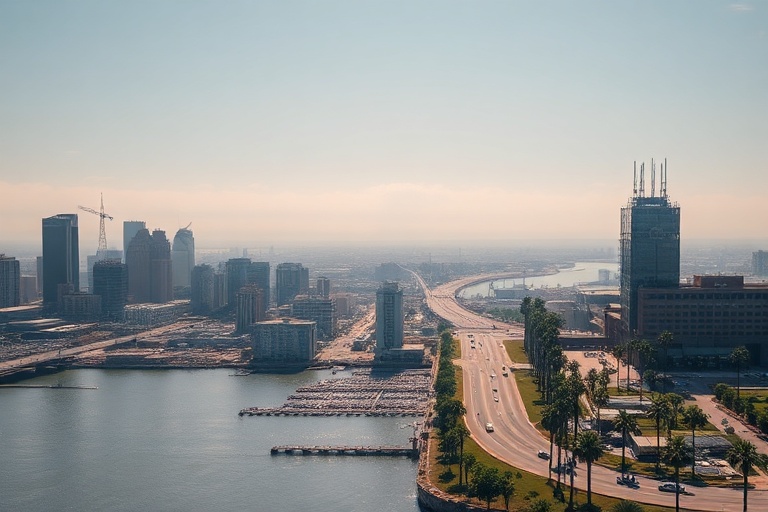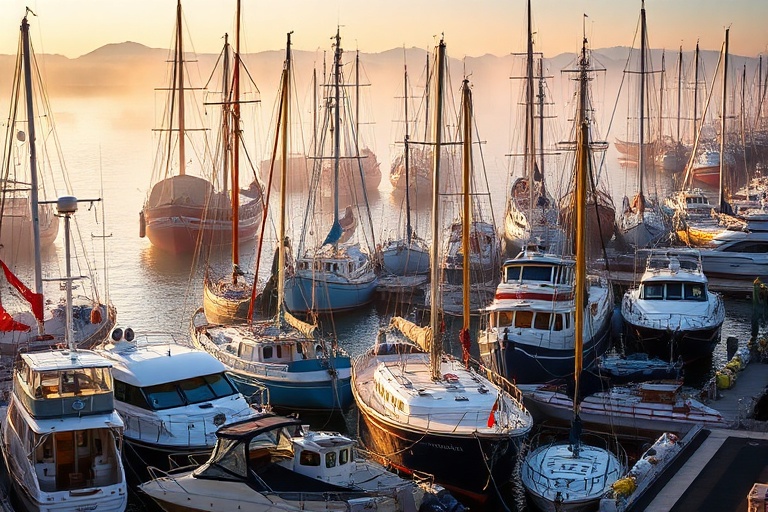
The Port of Boston has long been a vital artery for New England’s economy, connecting the region to global trade routes since the colonial era. Today, Boston’s fleet—ranging from historic schooners to modern container ships—reflects the city’s enduring relationship with the sea. While often overshadowed by larger East Coast ports like New York or Baltimore, Boston’s maritime sector remains a cornerstone of local industry, innovation, and cultural identity.
The Historical Foundations of Boston’s Maritime Trade
Boston’s identity as a seafaring city dates back to the 1600s, when the Massachusetts Bay Colony’s economy relied heavily on fishing, trade, and shipbuilding. By the 18th century, Boston was one of the busiest ports in the American colonies, with merchant fleets sailing to Europe, the Caribbean, and beyond. The city’s shipyards produced some of the most advanced vessels of the time, including the famous Baltimore Clippers, known for their speed and efficiency.
The industrial revolution transformed Boston’s fleet, shifting from wooden sailing ships to iron-hulled steamers. The 19th century saw the rise of the Boston & Maine Railroad, which further integrated the port with inland markets. By the early 20th century, Boston had become a hub for coal, grain, and later, automobiles—each era leaving its mark on the fleet’s composition.
Key Milestones in Boston’s Maritime History
- 1630s: Establishment of the first wharves and shipyards, laying the groundwork for Boston’s maritime trade.
- 1790s: The launch of the Baltimore Clipper ships, which dominated trade routes due to their speed.
- 1840s: Introduction of steam-powered vessels, revolutionizing commercial shipping.
- 1910s: The port’s expansion to accommodate larger cargo ships, including coal and grain freighters.
- 1980s: The Seaport District revitalization, positioning Boston as a modern logistics and cruise ship hub.
The Modern Boston Fleet: Diversity and Specialization
Today’s Boston fleet is a mix of commercial, industrial, and recreational vessels, each serving distinct purposes. The Massachusetts Port Authority (Massport) oversees the Port of Boston, which includes several key terminals: the Conley Terminal for container ships, the Black Falcon Cruise Terminal for passenger vessels, and the Boston Harbor Shipyard for shipbuilding and repairs.
The fleet’s diversity is evident in its operations. Container ships like those operated by Evergreen Marine and Hapag-Lloyd handle imports and exports, while tugboats and pilot boats ensure safe navigation through Boston’s busy harbor. Meanwhile, the city’s historic fleet, including the USS Constitution and the schooner Adventure, keeps maritime tradition alive for tourists and historians.
Types of Vessels in Boston’s Fleet
- Container Ships: Carry goods like electronics, apparel, and perishables, with Conley Terminal handling over 1 million TEUs annually.
- Bulk Carriers: Transport raw materials such as coal, grain, and scrap metal, crucial for regional industries.
- Tugboats: Assist larger vessels in docking and navigating tight harbor channels, often working in challenging weather.
- Passenger Vessels: Cruise ships and ferries, including MBTA’s Commuter Boats, connect Boston to nearby cities like Salem and Provincetown.
- Recreational & Historic Ships: Schooners and tall ships used for tours, charters, and educational programs.
The Economic and Environmental Impact of Boston’s Fleet
The commercial fleet at Boston Harbor contributes billions to the regional economy each year. According to Massport, the port supports over 50,000 jobs and generates $8 billion in annual economic activity. Beyond cargo, the cruise industry brings in tourists who spend heavily on hotels, dining, and attractions, further bolstering local businesses.
However, the fleet’s operations also face environmental scrutiny. Diesel-powered vessels contribute to air pollution, and dredging projects to accommodate larger ships have raised concerns about marine ecosystems. In response, the industry is exploring cleaner alternatives, such as liquefied natural gas (LNG) and electric-powered ferries. The MBTA’s new hybrid ferries, for example, aim to reduce emissions while maintaining efficiency.
“The challenge for Boston’s fleet is balancing economic growth with sustainability. The port must modernize to stay competitive, but it also has a responsibility to protect the harbor’s delicate ecosystem.” — Marine Policy Analyst, University of Massachusetts Boston
Challenges and Opportunities for Boston’s Fleet
Several factors will shape the future of Boston’s maritime industry:
- Infrastructure Upgrades: The $300 million expansion of Conley Terminal, completed in 2021, increased capacity for larger vessels and improved efficiency.
- Global Supply Chain Shifts: The Suez Canal blockage and pandemic disruptions highlighted the risks of over-reliance on certain trade routes, prompting Boston to diversify its partnerships.
- Climate Adaptation: Rising sea levels threaten port operations, leading to investments in flood barriers and resilient infrastructure.
- Workforce Development: A shortage of skilled mariners and shipyard workers has prompted collaborations between Massport, local colleges, and vocational programs.
Why Boston’s Fleet Matters Beyond the Harbor
Boston’s fleet is more than a collection of ships—it’s a symbol of the city’s resilience, adaptability, and connection to the world. The port’s ability to evolve with technological and economic changes ensures its continued relevance. For New England, the fleet is a lifeline, supplying everything from heating oil in winter to fresh seafood year-round.
Moreover, the fleet plays a role in shaping Boston’s cultural narrative. Events like the Boston Harborfest celebrate maritime heritage, while organizations like the Boston Marine Society advocate for the industry’s interests. Even the city’s skyline—dominated by the Seaport District’s cranes and waterfront—reflects the fleet’s enduring presence.
As global trade patterns shift and environmental pressures mount, Boston’s fleet stands at a crossroads. The choices made today—whether in infrastructure, technology, or policy—will determine how the port navigates the challenges of the 21st century. One thing is certain: the sea will remain central to Boston’s identity, just as it has for nearly four centuries.
Looking Ahead: The Next Chapter for Boston’s Fleet
The future of Boston’s fleet hinges on innovation and collaboration. Projects like the Boston Harbor Dredging Project and the adoption of cleaner fuels are steps in the right direction. Meanwhile, the rise of short-sea shipping—transporting goods by water to reduce road congestion—could further integrate Boston’s fleet into regional logistics networks.
For a city that has always looked outward, the sea remains the ultimate frontier. Whether through commerce, culture, or conservation, Boston’s fleet will continue to define what it means to be a maritime hub in the modern age.