Casnewydd Islwyn: A Welsh Region of Resilience and Innovation
Understanding Casnewydd Islwyn: Geography and Demographics
Casnewydd Islwyn refers collectively to two distinct but historically intertwined areas in South Wales: Casnewydd (known in English as Newport) and the Islwyn region. These areas, though administratively separate, share deep cultural, economic, and social connections that have evolved over centuries. Newport, with its coastal location on the River Usk, has long served as a vital port and industrial hub. Islwyn, on the other hand, is an inland area encompassing several communities in what was traditionally part of Monmouthshire and later Gwent.
The combined identity of Casnewydd Islwyn reflects a blend of Welsh identity and industrial heritage. Newport’s urban landscape contrasts with the more rural character of Islwyn, yet both areas have contributed to the region’s reputation for resilience and innovation. According to recent census data, the combined population of Newport and the Islwyn area exceeds 150,000 residents, with a strong sense of local pride and community cohesion.
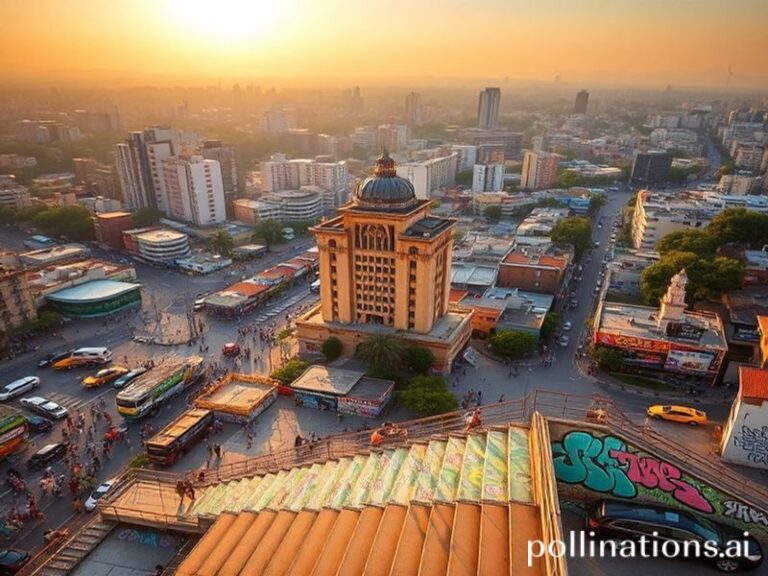
The topography of the region ranges from the docklands of Newport, once bustling with trade and shipbuilding, to the rolling hills and valleys of Islwyn. This diversity has shaped local industries—from steel and coal in the 19th century to modern technology and creative sectors today.
The Historical Evolution: From Industrial Roots to Modern Identity
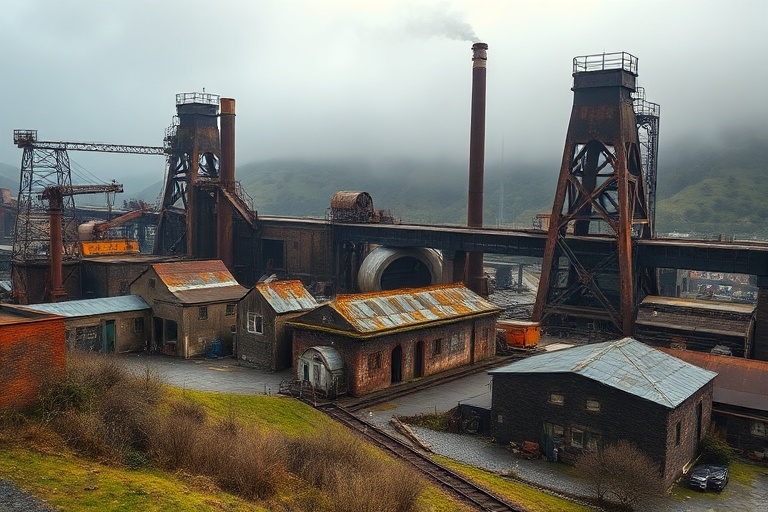
The story of Casnewydd Islwyn is deeply rooted in the Industrial Revolution. Newport, in particular, became a key player during the 18th and 19th centuries, thanks to its strategic location and the development of the Monmouthshire Canal and later the railways. The town’s docks facilitated the export of coal, iron, and steel, earning Newport the nickname “the metropolis of iron.” Meanwhile, Islwyn’s communities were shaped by coal mining, with collieries like those in Pontllanfraith and Abercarn driving the local economy for generations.
By the mid-20th century, however, the decline of traditional industries began to reshape the region. The closure of coal mines and the reduction in steel production led to significant economic challenges. Yet, this period also sparked a wave of regeneration. Newport diversified into services, retail, and digital sectors, while Islwyn communities focused on tourism, education, and small-scale manufacturing.
One of the most notable transitions occurred in the 1990s and 2000s, as Newport reinvented itself as a cultural and commercial center. The opening of the Newport Transporter Bridge—one of only a handful of its kind in the world—became a symbol of the town’s ability to preserve its heritage while embracing modernity. Similarly, areas like Risca and Newbridge in Islwyn began to attract investment in green energy and sustainable housing projects.
Economic Landscape: Challenges and Opportunities
The economic profile of Casnewydd Islwyn today is a study in contrasts. Newport’s city center thrives with shopping centers like Friars Walk and entertainment venues such as the Riverfront Arts Centre. The city is also home to the University of South Wales, which contributes to a younger, more educated workforce. In contrast, Islwyn’s economy remains more decentralized, with small businesses, light industry, and agricultural enterprises playing key roles.
Despite these strengths, the region faces ongoing challenges. Economic inequality remains an issue, particularly in some of Newport’s outer estates and in former mining communities in Islwyn. Youth unemployment and outmigration have also been persistent concerns, prompting local authorities and community groups to develop targeted initiatives.
To address these challenges, several strategic projects are underway. These include the regeneration of Newport’s docks into mixed-use developments, investment in broadband infrastructure across Islwyn, and partnerships with employers in advanced manufacturing and cybersecurity. Local leaders have also emphasized the importance of preserving Welsh language and culture as part of economic branding, particularly in tourism and education sectors.
One promising development is the growth of the creative industries. Newport has seen a rise in independent film production, digital media firms, and music studios, supported by organizations like Dave’s Locker Music. These sectors not only provide jobs but also help shape a modern identity for the region beyond its industrial past.
Culture and Community: Celebrating Welsh Heritage
Culture is the heartbeat of Casnewydd Islwyn. The region is steeped in Welsh language, music, and traditions, with a strong presence of eisteddfodau (Welsh cultural festivals) and local choirs. Newport hosts the annual Newport International Film Festival, which showcases both local and international talent, while Islwyn communities celebrate events like the Pontllanfraith Male Voice Choir concerts and the Ebbw Vale Festival.
The Welsh language remains a vital part of daily life, especially in Islwyn. According to Welsh Government statistics, over 20% of residents in some parts of the region speak Welsh daily. This linguistic heritage is supported by bilingual schools and community workshops, ensuring its transmission to younger generations.
Community organizations play a crucial role in sustaining cultural life. The Casnewydd Islwyn Heritage Forum, for example, works to preserve local history through archives, guided walks, and public talks. Meanwhile, sports clubs—particularly rugby and football—serve as social anchors. The Newport Gwent Dragons rugby team and local football clubs like Newport County AFC attract passionate followings and foster community pride.
Another key aspect of the region’s cultural identity is its culinary scene. Traditional Welsh dishes like cawl (a hearty soup), Welsh cakes, and laverbread are staples in local cafes and markets. Recent years have also seen a rise in farm-to-table dining, with producers in Islwyn supplying fresh produce to restaurants in both areas. This blend of tradition and innovation is a hallmark of Casnewydd Islwyn’s evolving identity.
Looking Ahead: The Future of Casnewydd Islwyn
The future of Casnewydd Islwyn is being written today through a combination of policy, investment, and grassroots initiative. The Welsh Government’s “Prosperity for All” economic strategy includes Newport and Islwyn as priority areas for regeneration, with a focus on skills development and infrastructure upgrades. Plans for a South Wales Metro extension could improve connectivity between Newport, Cardiff, and the Valleys, opening new opportunities for commuters and businesses alike.
In education, partnerships between schools, colleges, and employers are beginning to yield results. Apprenticeship programs in engineering and digital technologies are helping young people gain qualifications aligned with local job markets. Meanwhile, initiatives like the Islwyn Community Regeneration Fund support small businesses and social enterprises in tackling poverty and social isolation.
Yet challenges remain. The impact of Brexit on trade, the need for sustainable housing, and the ongoing effects of the COVID-19 pandemic continue to shape the region’s trajectory. However, the resilience and adaptability of Casnewydd Islwyn’s communities suggest that the area is well-positioned for renewal.
What is clear is that the identity of Casnewydd Islwyn is not static. It is a living, evolving entity shaped by its past but focused on a future where tradition and progress coexist. Whether through the restoration of historic buildings, the growth of tech startups, or the celebration of Welsh language and culture, the region is forging a new narrative—one that honors its roots while embracing change.
For visitors and residents alike, Casnewydd Islwyn offers a compelling story of transformation. It is a place where industrial heritage meets modern ambition, where community spirit thrives alongside innovation, and where the spirit of Wales is felt in every corner.