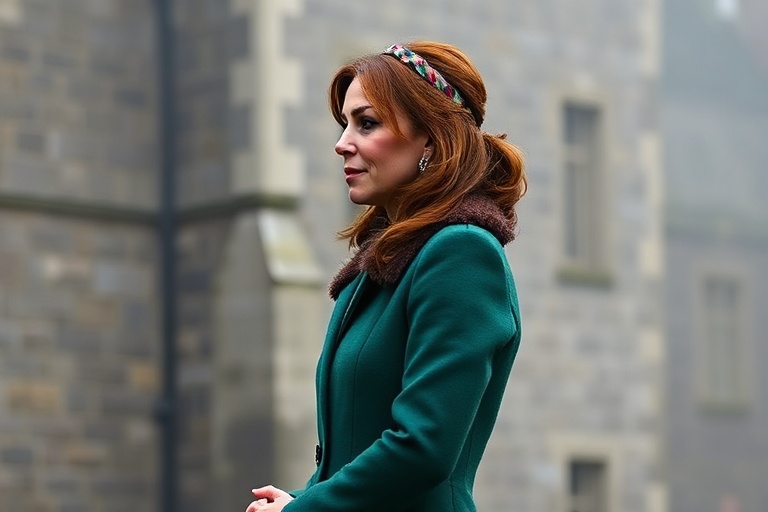
Catherine, Princess of Wales: The Modern Face of Royal Influence
From a Young Princess to a Global Symbol of Modern Monarchy
Catherine, Princess of Wales, has spent nearly two decades transitioning from a university student in art history to one of the most recognizable figures in modern royalty. Born Catherine Elizabeth Middleton on January 9, 1982, in Reading, England, she grew up in a middle-class family that valued education and community service. Her journey from a private citizen to a public figure began when she met Prince William during their time at the University of St Andrews in Scotland.
Unlike many royal figures who inherit their titles at birth, Catherine’s rise to prominence came through a deliberate and carefully curated public presence. She navigated the complexities of royal life with a balance of tradition and modernity, earning respect not just in the United Kingdom but across the globe. Her role has evolved significantly, from a duchess supporting her husband’s duties to a mother of three children and a leader in charitable initiatives that span mental health, early childhood development, and the arts.
A Royal Role Defined by Diplomacy and Cultural Influence
The Princess of Wales has carved a distinct identity within the British monarchy by focusing on issues that resonate deeply with contemporary society. Her patronage of organizations such as the Anna Freud Centre, which specializes in child mental health, reflects a commitment to causes often overlooked in traditional royal duties. Through public engagements and strategic partnerships, she has elevated conversations around parental mental health and early intervention in education.
Catherine’s influence extends beyond the United Kingdom. She has represented the Crown in international visits, including a 2022 tour of the Caribbean alongside Prince William. These trips were carefully planned to emphasize themes of sustainability, community resilience, and cultural exchange. The couple’s approach often contrasts with historical royal diplomacy, prioritizing grassroots connections over formal state functions. This strategy has helped modernize the monarchy’s image in the eyes of younger generations.
Her fashion choices, too, have become a subject of global interest. Catherine’s wardrobe is often seen as a reflection of her role—elegant yet approachable, blending classic British tailoring with nods to emerging designers. This careful curation communicates accessibility and respect for cultural diversity, particularly when she wears pieces by designers from countries visited on official tours.
Key Areas of Focus in Her Charitable Work
- Early Childhood Development: Through her work with organizations like Save the Children and the Royal Foundation’s Early Years Taskforce, she advocates for policies that support children in their formative years.
- Mental Health Advocacy: As Patron of the Anna Freud Centre, she champions early intervention programs that address anxiety and depression in young people.
- Art and Education: Her support for the National Portrait Gallery and the Cambridge Centre for Galleries and Museums highlights a lifelong passion for art and learning.
- Sports and Community Engagement: She has actively promoted grassroots sports initiatives, recognizing their role in fostering physical and mental well-being. Read more about the intersection of royalty and sports culture on Dave’s Locker.
Balancing Tradition with a Progressive Public Image
One of the most challenging aspects of Catherine’s role has been maintaining the dignity of the monarchy while adapting to the expectations of a digital-first world. Social media has played a pivotal role in shaping her public perception. The couple’s official Instagram account, managed with transparency in mind, offers glimpses into their family life and official duties. This approach humanizes the royals and counters criticisms of elitism.
However, the Princess has also faced scrutiny. The media’s intense focus on her family, particularly after the tragic death of Princess Diana, has created an environment where every public appearance is dissected. Catherine’s response has been one of quiet resilience, focusing on substance over spectacle. Her interviews and speeches are carefully crafted to emphasize empathy and professionalism, avoiding the sensationalism that often surrounds royal figures.
Her decision to delay the announcement of her third pregnancy in 2018, following a period of severe hyperemesis gravidarum, brought attention to maternal health—an issue she has since championed. This openness about personal challenges has broadened her appeal, particularly among women who see her as a relatable figure navigating the pressures of modern life.
The Future of Monarchy Through the Lens of Catherine’s Role
As the monarchy faces evolving expectations from the public and younger generations, Catherine’s approach may serve as a blueprint for its future. Her emphasis on accessibility, mental health, and education aligns with the values of millennials and Gen Z, who prioritize authenticity and social impact. Unlike her predecessors, she did not grow up in the public eye, which has allowed her to cultivate a persona that feels both aspirational and attainable.
The royal family’s role in the 21st century is increasingly tied to its ability to connect with global audiences. Catherine’s international engagements, particularly in Africa, Asia, and the Americas, demonstrate a shift from the Commonwealth-centric focus of earlier decades. These visits often highlight education, entrepreneurship, and women’s empowerment, themes that resonate across cultures and socioeconomic backgrounds.
Looking ahead, her influence may extend beyond charitable work into broader discussions about the monarchy’s relevance. With Prince William positioned as the future king, Catherine’s role as a stabilizing and modernizing force will likely grow. Her ability to communicate across cultural divides—whether through fashion, public speaking, or digital engagement—positions her as a key figure in ensuring the institution’s longevity.
Yet, challenges remain. The monarchy’s relationship with the press, public funding debates, and generational shifts in attitudes toward authority all present obstacles. Catherine’s strategy of leading through quiet authority and sustained effort may prove critical in navigating these complexities. Her story is not one of dramatic transformation but of steady evolution—a reflection of the monarchy’s own uncertain path forward.
Lessons from Catherine’s Approach to Modern Royalty
- Authenticity Over Perfection: She has managed to humanize the royal family without compromising its dignity, showing vulnerability in ways that resonate with the public.
- Cultural Adaptability: Her ability to engage with diverse communities reflects a global perspective that modern monarchies must adopt.
- Focused Advocacy: By concentrating on specific issues like early childhood education, she avoids the pitfalls of spreading herself too thin.
- Digital Savviness: Her use of social media and controlled transparency sets a standard for how royals can engage with younger audiences.
The Princess of Wales embodies a paradox: she is both a symbol of tradition and a harbinger of change. Her life and work offer a case study in how institutions evolve when they prioritize relevance over rigidity. In an era where public trust in authority figures is fragile, her example demonstrates that leadership can be both steadfast and adaptive.