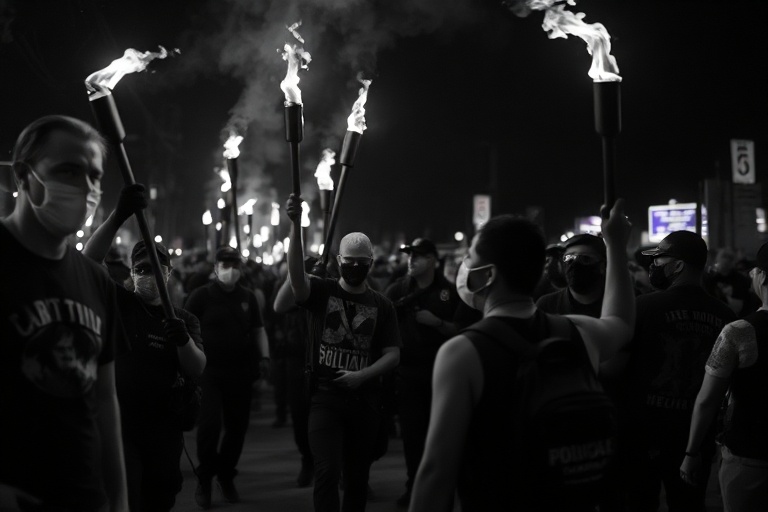
Charlottesville: A Turning Point in Modern American History
The events of August 11-12, 2017 in Charlottesville, Virginia, marked a pivotal moment not just for the United States but for global conversations about racism, free speech, and public memory. What began as a protest against the removal of a Confederate statue escalated into violent clashes between white supremacists and counter-protesters, resulting in the death of Heather Heyer and injuries to dozens more. The incident forced nations worldwide to confront uncomfortable truths about historical legacies and contemporary extremism.
The Rally and Its Immediate Aftermath
The Unite the Right rally drew white nationalist groups from across the country, united under the banner of preserving Confederate monuments. Organizers framed the protest as a defense of heritage, but critics saw it as a thinly veiled celebration of white supremacy. As tensions mounted, counter-protesters—including members of anti-fascist groups and local residents—gathered to oppose the rally. The atmosphere grew increasingly volatile, culminating in a car ramming attack that killed Heyer and injured 19 others.
In the hours that followed, images of the violence spread rapidly online, sparking outrage and condemnation. Governments from Germany to New Zealand issued statements decrying the events, while social media platforms faced scrutiny over their role in amplifying extremist rhetoric. The tragedy also reignited debates in American politics about the limits of free speech and the role of law enforcement in managing public order.
Global Reactions and the Spread of Extremism
The impact of Charlottesville extended far beyond U.S. borders. In Europe, far-right groups drew inspiration from the events, staging their own protests under the guise of defending “free speech.” Meanwhile, governments in countries like France and the UK condemned the violence while grappling with their own histories of colonialism and racial injustice. The incident became a touchstone for discussions about how nations address historical grievances and contemporary divisions.
Across the Atlantic, activists in South Africa and Australia pointed to Charlottesville as evidence of the global resurgence of white nationalism. Social media platforms, particularly Twitter and Facebook, faced renewed pressure to police hate speech more aggressively. The European Union, already struggling with rising far-right movements, cited Charlottesville as a warning of what could happen if extremist ideologies were left unchecked.
Cultural Memory and the Fight Over History
The Charlottesville rally was as much about symbols as it was about politics. The statue of Robert E. Lee at the center of the controversy became a flashpoint in a broader debate about how societies remember—and often sanitize—their pasts. In the U.S., the removal of Confederate monuments has sparked fierce resistance from those who view them as sacred symbols of heritage, while others argue they glorify a racist regime. Similar debates have played out in countries like Belgium, where statues of colonial figures like King Leopold II have faced calls for removal.
Artists and historians have responded to these tensions in diverse ways. Some have created public installations to challenge dominant narratives, while others have used social media to document lesser-known histories. The controversy has also influenced popular culture, with films, documentaries, and even video games tackling the legacy of racism and extremism. For example, the 2020 documentary Enemies of the People explored the roots of white supremacy, drawing connections to Charlottesville.
The Long Shadow of Charlottesville
Five years after the events, the repercussions of Charlottesville continue to shape American society. The city itself has become a pilgrimage site for activists, journalists, and scholars studying the intersection of race, memory, and public space. Legal battles over the Lee statue persist, while the city has invested in community programs aimed at healing divisions. Yet, the threat of far-right violence remains a persistent concern. In 2019, a gunman targeting Jews in a Pittsburgh synagogue cited Charlottesville as inspiration for his attack.
The events also left a lasting mark on digital culture. Misinformation and conspiracy theories about the rally spread rapidly online, fueled by both foreign and domestic actors. Platforms like Reddit and 4chan became breeding grounds for extremist ideologies, while mainstream social media struggled to balance free expression with safety. The fallout highlighted the challenges of regulating online spaces in an era where hate speech can inspire real-world violence.
For many, Charlottesville served as a wake-up call about the fragility of democratic norms. The rally demonstrated how quickly peaceful protests could spiral into chaos, and how easily hate could be weaponized in the digital age. Yet, it also showed the resilience of communities coming together to reject bigotry. Grassroots movements like Black Lives Matter gained momentum in the aftermath, while local governments began rethinking how they respond to extremist threats.
A Legacy of Vigilance
The lessons of Charlottesville extend beyond the U.S., serving as a reminder of the ongoing struggle against intolerance worldwide. Countries like Germany, which has grappled with its Nazi past, have implemented educational programs to combat far-right ideologies. Meanwhile, in countries like India and Myanmar, activists have drawn parallels between Charlottesville and their own battles against religious and ethnic persecution.
As societies continue to reckon with their histories, Charlottesville remains a cautionary tale. It underscores the importance of confronting uncomfortable truths, protecting vulnerable communities, and holding extremists accountable. While the violence of that weekend was a dark chapter, it also sparked conversations that are still unfolding today.
For those seeking to understand the roots of modern extremism, Charlottesville offers a sobering case study. It challenges us to ask: How do societies remember their pasts? Who gets to decide which histories are celebrated? And what steps can be taken to prevent history from repeating itself?