czechia
Nestled in the heart of Europe, Czechia—officially the Czech Republic—often flies under the radar despite its rich history, cultural contributions, and economic resilience. With a population of just over 10 million, this landlocked nation punches far above its weight on the global stage. From its medieval architecture to its thriving tech sector, Czechia remains a hidden gem worth exploring.
The Historical Tapestry of Czechia
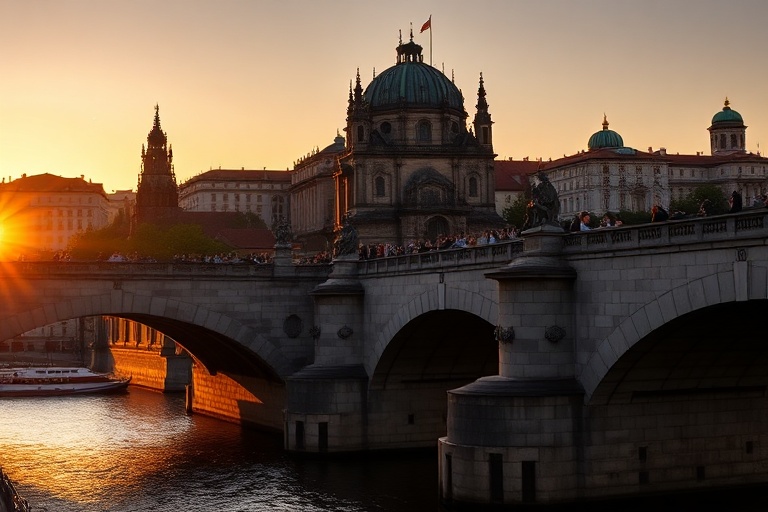
Czechia’s history is a mosaic of empires, revolutions, and artistic brilliance. The region traces its origins to the Great Moravian Empire in the 9th century, but its most defining era came with the rise of the Kingdom of Bohemia in the Middle Ages. Prague, its capital, became a cultural and political powerhouse under Charles IV in the 14th century, leaving behind architectural marvels like Charles Bridge and Prague Castle.
Fast-forward to the 20th century, Czechia weathered two world wars, a communist regime, and a peaceful Velvet Revolution in 1989. Each phase reshaped its identity, yet the country retained a fierce national pride. Today, Czechia’s historical layers are visible in its cobblestone streets, Gothic cathedrals, and Soviet-era monuments—a testament to a nation that has endured and adapted.
Key Historical Moments
- 9th Century: Formation of the Great Moravian Empire, the first major state formation in the region.
- 14th Century: Reign of Charles IV, who transformed Prague into a European cultural center.
- 1918: Establishment of Czechoslovakia after the collapse of the Austro-Hungarian Empire.
- 1989: The Velvet Revolution, a non-violent overthrow of communism led by figures like Václav Havel.
- 2004: Joined the European Union, marking a new chapter in its economic and political integration.
Czechia’s Cultural and Economic Footprint
Czechia’s influence extends beyond its borders, particularly in the realms of music, literature, and engineering. The country has produced legendary composers like Antonín Dvořák and Bedřich Smetana, whose works remain staples in classical music repertoires worldwide. Meanwhile, Czech literature, from Franz Kafka’s surrealist masterpieces to Milan Kundera’s existential novels, continues to shape global thought.
Economically, Czechia has transformed from a state-controlled economy to a dynamic market-driven powerhouse. It boasts one of the highest GDP per capita rates in Central and Eastern Europe, driven by industries like automotive manufacturing, IT, and pharmaceuticals. Companies like Škoda Auto and Avast have become household names, while Prague’s startup scene is gaining traction as a European tech hub.
Tourism is another cornerstone of Czechia’s economy. Visitors flock to Prague for its fairy-tale old town, while spa towns like Karlovy Vary attract wellness seekers. The country’s beer culture, with brands like Pilsner Urquell and Budvar, is celebrated globally, reinforcing its reputation as a destination for both history and hedonism.
Why Czechia Matters on the World Stage
In an era of geopolitical uncertainty, Czechia stands out as a stable and progressive nation. Its strategic location in Central Europe makes it a critical player in EU trade and security. The country has also become a vocal advocate for human rights, particularly during its EU presidency in 2022, where it emphasized rule of law and democratic values.
Czechia’s approach to education and innovation further solidifies its global relevance. Its universities, such as Charles University in Prague, are among the oldest in Europe, while its focus on STEM education has produced a skilled workforce that attracts multinational corporations. The government’s investment in green energy and digital infrastructure positions Czechia as a forward-thinking nation ready for the challenges of the 21st century.
Moreover, Czechia’s cultural exports continue to resonate worldwide. Films like Jan Svěrák’s Kolya and the works of animator Jiří Trnka have earned international acclaim. The country’s blend of tradition and modernity makes it a compelling case study in how smaller nations can leverage their unique assets to achieve outsized influence.
The Future of Czechia: Challenges and Opportunities
Despite its successes, Czechia faces hurdles. Demographic challenges, such as an aging population and emigration of young professionals, pose long-term risks. Housing shortages in major cities like Prague and Brno exacerbate affordability crises, while political fragmentation occasionally stalls progress. However, these challenges also present opportunities for reform and innovation.
The country’s commitment to sustainability offers a roadmap for balancing growth and environmental stewardship. Czechia has pledged to reduce carbon emissions and invest in renewable energy, aligning with EU Green Deal objectives. Meanwhile, its tech sector’s growth could mitigate brain drain by creating high-paying jobs that retain talent.
Czechia’s role in global supply chains, particularly in automotive and electronics, ensures its continued relevance. As the world shifts toward electric vehicles and smart manufacturing, Czechia’s industrial base positions it to lead these transitions. The government’s focus on digital transformation, including the expansion of 5G networks, further cements its status as a modern economy.
For travelers and investors alike, Czechia remains a land of opportunity. Its affordability compared to Western European neighbors, combined with its high quality of life, makes it an attractive destination. Whether sipping Pilsner in a Prague beer hall or exploring the Bohemian countryside, visitors leave with a sense of discovery—and perhaps a newfound appreciation for this understated European gem.
As Czechia continues to evolve, its story serves as a reminder that size does not dictate impact. In a continent often dominated by larger powers, Czechia’s resilience, creativity, and adaptability ensure its place as a nation that matters—not just in Europe, but across the globe.
Explore more travel destinations on Dave’s Locker.
Learn about global cultural trends on our platform.