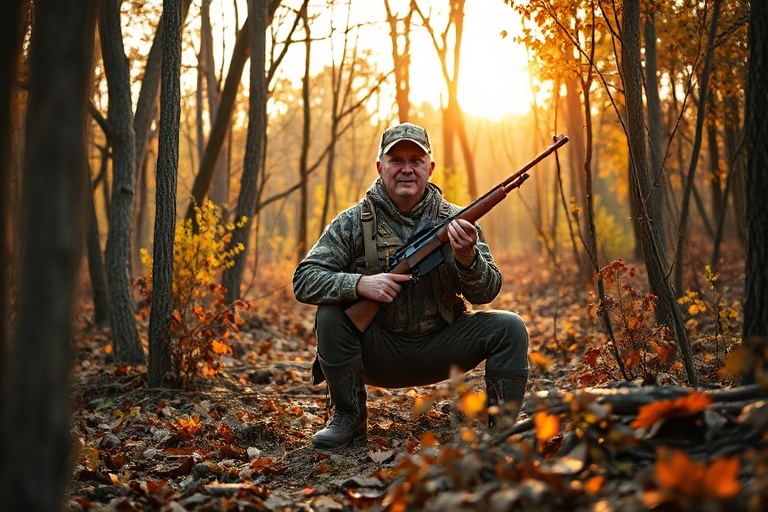
North Dakota Governor Doug Burgum signed a new executive order in early 2024 that reshaped the state’s approach to hunting regulations. The order, titled “Conservation and Sustainable Hunting Practices in North Dakota,” introduced several changes aimed at balancing wildlife conservation with recreational opportunities. These adjustments affect hunters, landowners, and conservation groups across the state.
The Key Changes in Burgum’s Hunting Order
The 2024 hunting order from Governor Burgum includes several notable modifications to existing regulations. One of the most significant changes is the expansion of antlerless deer tags. The order increased the number of available tags by 15% to help manage the state’s deer population more effectively. This decision was based on data showing overpopulation in certain regions, which was leading to habitat degradation and increased vehicle collisions.
A second major adjustment involves the implementation of a new youth hunting weekend. Scheduled for the first full weekend of September, this initiative is designed to encourage young hunters to participate in the sport while promoting conservation ethics. The order also includes provisions for mandatory hunter education courses for all first-time hunters under the age of 18.
Additionally, the order introduces stricter regulations on baiting and feeding of game animals. This change aims to reduce the spread of chronic wasting disease (CWD) and other wildlife diseases. Landowners are now required to register baiting sites with the North Dakota Game and Fish Department, and the use of natural vegetation for baiting is prohibited.
Changes to Hunting Seasons and Bag Limits
The 2024 order also revises hunting seasons and bag limits for several species. For deer, the antlered buck season has been extended by one week, while the antlerless season has been shortened by three days to align with population management goals. Turkey hunters will see an earlier start to the fall season, beginning on October 1 instead of October 10. The order also reduces the daily bag limit for pheasants from three to two birds in response to declining populations in certain areas.
These adjustments reflect a broader trend in wildlife management, where data-driven decisions are prioritized over traditional practices. The North Dakota Game and Fish Department played a crucial role in providing the scientific research that informed these changes. Their findings highlighted the need for more flexible regulations to adapt to changing environmental conditions and wildlife populations.
The Impact on Hunters and Landowners
The reaction from North Dakota’s hunting community has been mixed. While some hunters appreciate the increased tag availability and youth-focused initiatives, others express concerns about the shortened seasons and reduced bag limits. Landowners, particularly those in agricultural regions, have raised questions about the practicality of the new baiting restrictions. Many rely on baiting to manage crop damage caused by deer and elk.
To address these concerns, the North Dakota Game and Fish Department has scheduled a series of public meetings across the state. These forums provide an opportunity for hunters, landowners, and conservation groups to voice their opinions and ask questions about the new regulations. The department has also created an online portal where residents can submit feedback and track the implementation of the order.
For hunters who rely on guided trips or out-of-state clients, the changes present both challenges and opportunities. Some outfitters have reported an increase in demand for youth hunting packages, as families look to take advantage of the new weekend. However, others are concerned about the impact on non-resident hunters, who may find the reduced bag limits and altered seasons less appealing.
Conservation Groups Weigh In
Conservation organizations in North Dakota have largely supported Burgum’s order, citing its focus on sustainable practices and long-term wildlife health. The North Dakota chapter of Pheasants Forever praised the reduction in pheasant bag limits, noting that it aligns with their efforts to restore grassland habitats. Similarly, the Theodore Roosevelt Conservation Partnership highlighted the order’s emphasis on CWD management as a critical step in preserving the state’s deer herds.
However, not all conservation groups are fully satisfied. Some environmental advocates argue that the order does not go far enough in addressing habitat loss and climate change impacts on wildlife. They point to the need for more funding for habitat restoration projects and stricter enforcement of trespassing laws to protect sensitive areas.
Despite these criticisms, the order represents a significant step forward in North Dakota’s approach to wildlife management. By incorporating feedback from multiple stakeholders, the state has created a framework that balances the interests of hunters, landowners, and conservationists.
Looking Ahead: The Future of Hunting in North Dakota
The 2024 hunting order is just one part of a broader strategy to modernize wildlife management in North Dakota. Governor Burgum has indicated that additional reforms may be introduced in the coming years, particularly in response to climate change and shifting migration patterns. These could include expanded use of technology, such as trail cameras and GPS tracking, to monitor wildlife populations more accurately.
For hunters and outdoor enthusiasts, staying informed about these changes is essential. The North Dakota Game and Fish Department offers a variety of resources, including a mobile app that provides real-time updates on regulations, season dates, and harvest reports. Hunters are encouraged to download the app and subscribe to the department’s newsletters to receive the latest information.
As North Dakota continues to refine its hunting regulations, the lessons learned from this year’s order will likely influence future decisions. The state’s approach serves as a model for other regions grappling with similar challenges, demonstrating the importance of collaboration between government agencies, conservation groups, and the hunting community.
For those interested in exploring North Dakota’s hunting opportunities, the state offers a diverse range of landscapes and game species. From the prairie potholes of the east to the rugged badlands of the west, hunters can pursue everything from waterfowl to big game. For more information on hunting in North Dakota, visit the Hunting section on Dave’s Locker.
Final Thoughts
Governor Doug Burgum’s 2024 hunting order marks a pivotal moment for North Dakota’s wildlife management practices. By prioritizing sustainability, conservation, and community engagement, the order sets a new standard for how states can balance the needs of hunters with the health of ecosystems. While the changes may be met with resistance from some quarters, they represent a necessary evolution in an era of environmental change.
For hunters, the key to adapting will be staying informed and flexible. The North Dakota Game and Fish Department has made it clear that these regulations are not set in stone. As conditions change, so too will the rules. By participating in public forums, submitting feedback, and using the resources available, hunters can play an active role in shaping the future of their sport.
As North Dakota moves forward, the lessons learned from this year’s order will undoubtedly resonate beyond its borders. Other states facing similar challenges would do well to study North Dakota’s approach, which proves that thoughtful, data-driven regulation can benefit both wildlife and the communities that depend on it.