Understanding El Niño: The 2026 Phenomenon
El Niño is a complex climate pattern that occurs in the Pacific Ocean, characterized by the periodic warming of sea surface temperatures. The phenomenon has significant implications for global weather patterns, agriculture, and ecosystems. As we look ahead to 2026, understanding the expected impacts of El Niño is crucial for various sectors, including agriculture, disaster management, and climate science.
What to Expect from El Niño in 2026
Forecasts for El Niño in 2026 suggest a strong event, potentially leading to a range of weather-related challenges. These predictions are based on current ocean temperatures, atmospheric conditions, and historical patterns associated with previous El Niño occurrences.
The primary impacts of El Niño can be categorized into several key areas:
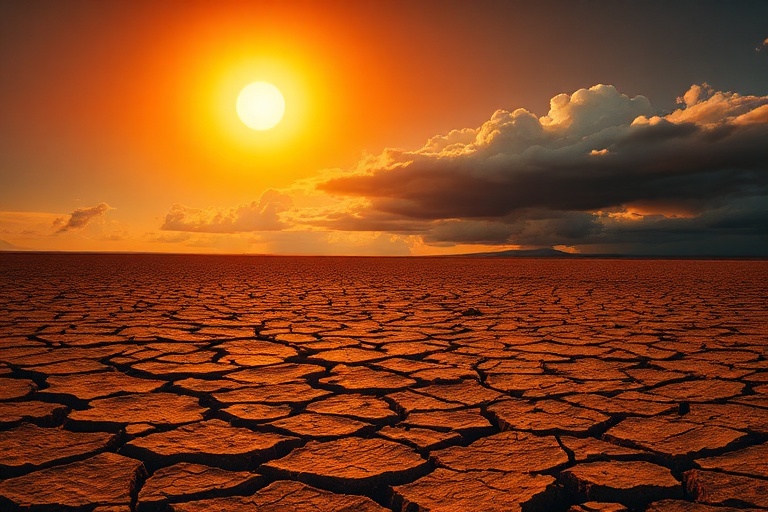
- Weather Patterns: El Niño typically leads to increased rainfall in some regions while causing droughts in others. The southern United States and parts of South America often experience wetter conditions, while Australia and Southeast Asia may face drier weather.
- Agricultural Effects: The variability in rainfall can have drastic effects on crop yields. Farmers may need to adjust planting schedules and crop choices based on anticipated weather conditions.
- Economic Implications: The changes in agriculture can lead to fluctuations in food prices, impacting both consumers and producers. Additionally, sectors such as insurance and disaster relief may see increased demand.
- Ecological Impact: Altered weather patterns can disrupt local ecosystems, affecting biodiversity. Marine life, in particular, can suffer due to changes in ocean temperatures and currents.
Regional Impacts of El Niño
The effects of El Niño are not uniform across the globe. Different regions experience varying consequences, which can complicate preparedness efforts. Here is a closer look at how different areas might be affected:
- North America: The southern U.S. is likely to see increased precipitation, while the northern regions may experience warmer and drier conditions. This could lead to both flooding and droughts, affecting agriculture and water supplies.
- South America: Countries like Peru and Ecuador may face heavy rainfall, leading to flooding and landslides. This could have dire consequences for local communities and infrastructure.
- Australia: Often, El Niño brings drier conditions to Australia, increasing the risk of drought and wildfires. Farmers may need to implement water-saving practices to cope with these challenges.
- Asia: Southeast Asian nations could experience drier conditions, impacting food security and water resources. Countries like Indonesia and the Philippines may need to prepare for agricultural challenges.
Preparing for El Niño: Strategies and Solutions
As we approach 2026, it is essential for governments, businesses, and communities to develop strategies to mitigate the impacts of El Niño. Here are some recommended approaches:
- Enhanced Monitoring: Invest in climate monitoring systems to provide real-time data on weather patterns and ocean temperatures. This can help in making informed decisions.
- Public Awareness Campaigns: Educate communities about the potential impacts of El Niño and promote preparedness strategies, such as emergency plans and water conservation techniques.
- Agricultural Adaptation: Encourage farmers to diversify crops and adopt sustainable practices that can withstand variable weather conditions.
- Infrastructure Investment: Strengthen infrastructure to withstand extreme weather events, including improved drainage systems and flood defenses.
By taking proactive measures, societies can better manage the risks associated with El Niño and protect vulnerable populations.
Conclusion
El Niño is a significant climate event that can have far-reaching effects, particularly in 2026. Understanding its potential impacts on weather patterns, agriculture, and economies is crucial for effective planning and response. By investing in monitoring, public education, and infrastructure, communities can better prepare for the challenges ahead. As we continue to study climate patterns, it becomes increasingly important to remain vigilant and adaptive to the changes that lie ahead.