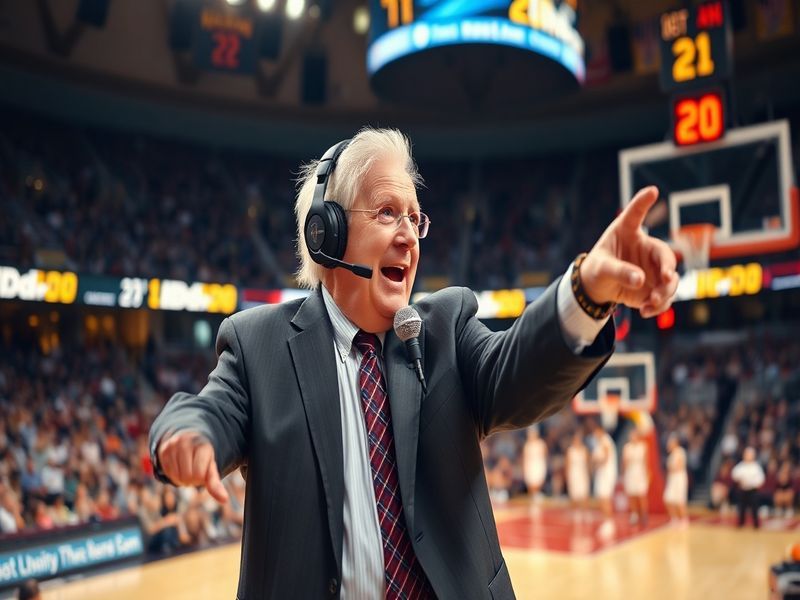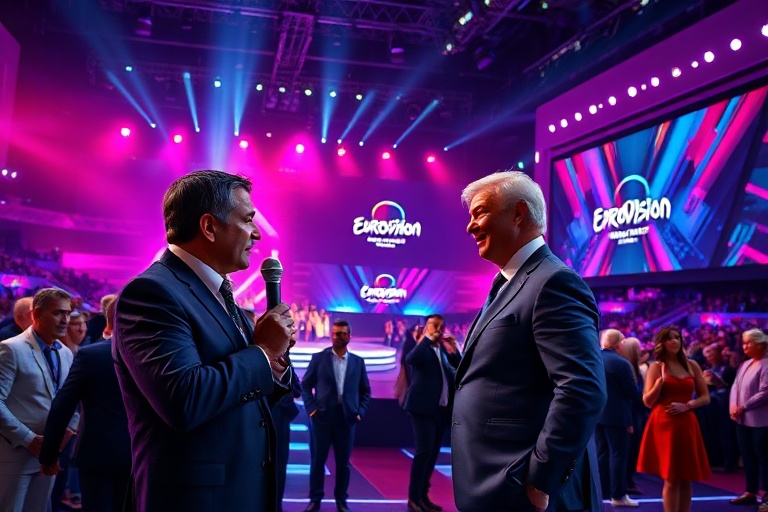
Every year, millions of viewers tune in to the Eurovision Song Contest not just for the music, but for the spectacle. The dazzling performances, elaborate stage designs, and high-energy choreography all play their part. Yet, at the heart of the event are the hosts—those who guide the audience through the evening with wit, charm, and an uncanny ability to balance multiple languages.
Eurovision hosts are more than just presenters; they are the emotional and narrative anchors of the show. They must be quick-witted enough to handle live technical mishaps, gracious enough to manage unpredictable voting results, and charismatic enough to keep the energy high for nearly four hours. Their role is a delicate dance between professionalism and spontaneity, often making or breaking the viewer’s experience.
The Evolution of Eurovision Hosting
The tradition of Eurovision hosting dates back to the contest’s inception in 1956. Early hosts were often dignified figures, typically from the hosting country’s public broadcasting service, who delivered the proceedings with a formal, almost ceremonial tone. Think of Katie Boyle, the British hostess who presided over four Eurovision contests between 1960 and 1974. Her poised demeanor set a standard for elegance that would define early Eurovision hosting.
As the contest grew in popularity and cultural significance, so too did the expectations placed on its hosts. The 1990s and 2000s saw a shift toward hosts who could blend professionalism with a more relaxed, humorous approach. This era introduced hosts like Ulrika Jonsson and Terry Wogan, whose banter and charisma made the show feel more accessible to younger audiences.
The modern era of Eurovision hosting began in earnest in 2010, when the European Broadcasting Union (EBU) started emphasizing hosts who could engage global audiences through social media and live commentary. The hosts of 2017, Oleksandr Skichko and Volodymyr Ostapchuk from Ukraine, for example, brought a fresh energy that resonated with younger viewers. Their ability to switch between Ukrainian and English seamlessly highlighted the contest’s growing international appeal.
Key Moments in Eurovision Hosting History
Some Eurovision hosting performances have transcended the event itself, becoming cultural touchstones. One of the most memorable was Graham Norton’s hosting stint during the 2023 contest in Liverpool. Norton, already a beloved figure in the UK for his sharp wit and infectious enthusiasm, brought a uniquely British flavor to the proceedings. His ability to riff on everything from the voting process to the contestants’ outfits made him an instant fan favorite.
Another standout moment came in 2018, when Italy’s Eurovision hosts, Claudia Gerini, Alessandro Borghese, and Giulia Valentina, turned the traditional host introductions into a mini-game show. They quizzed the audience on Eurovision trivia, blending education with entertainment in a way that felt fresh and interactive. This approach not only kept the audience engaged but also honored the contest’s history while looking toward its future.
The 2022 contest in Turin, hosted by Mika, Laura Pausini, and Alessandro Cattelan, was another masterclass in Eurovision hosting. Mika’s flamboyant personality and Pausini’s effortless multilingualism created a dynamic duo that balanced humor, emotion, and professionalism. Their interactions with the audience, including a surprise duet between Pausini and a contestant, showcased the hosts’ ability to elevate the show beyond its musical core.
The Challenges of Eurovision Hosting
Being an Eurovision host is no small feat. The role demands a rare combination of skills: linguistic prowess, quick thinking, and an unshakable sense of humor. Hosts must be prepared to improvise at a moment’s notice, whether it’s covering for a technical delay, reacting to a surprise performance, or delivering a heartfelt message when a contestant’s song carries personal significance.
One of the most significant challenges is language. Eurovision is a multilingual event, and hosts must navigate between English, French, and the languages of the participating countries. This requires not just fluency but also an understanding of cultural nuances. For example, the 2016 hosts, Petra Mede and Måns Zelmerlöw, seamlessly switched between Swedish and English, often incorporating playful asides that kept the audience engaged without alienating non-English speakers.
Another challenge is maintaining a consistent tone throughout the show. Eurovision is a high-energy event, but it also has emotional moments—voting segments can feel tense, and winners’ speeches often bring tears. Hosts must strike a balance between keeping the energy high and allowing space for sincerity. The 2021 hosts, Chantal Janzen, Jan Smit, and Edsilia Rombley, managed this beautifully. Their warmth and relatability made the contest feel intimate, even as millions watched from around the world.
What Makes a Great Eurovision Host?
So, what sets apart a good Eurovision host from a great one? First, authenticity is key. Viewers can spot insincerity a mile away, and Eurovision audiences crave hosts who feel genuine. This is why hosts who draw from their own personalities—like Italy’s Alessandro Cattelan, whose dry humor and self-awareness won over audiences—often succeed.
Second, adaptability is crucial. Eurovision is unpredictable by nature, and hosts must be ready to pivot at a moment’s notice. Whether it’s a last-minute change in the running order or an unexpected voting result, the best hosts remain calm, collected, and ready with a quip or a reassuring word.
Finally, connection is everything. The best Eurovision hosts make the audience feel like they’re part of the show, not just passive observers. This might mean interacting with social media in real time, as the 2019 hosts, Loreen, Janicke, and Fredrik, did by responding to fan tweets during the broadcast. Or it might mean sharing personal stories that resonate with viewers, as Mika did in 2022 when he spoke about his own journey as a musician.
Looking Ahead: The Future of Eurovision Hosting
As Eurovision continues to evolve, so too will the role of its hosts. The EBU has hinted at plans to make the contest even more interactive, which could mean hosts taking on new responsibilities, such as curating audience polls or integrating fan-generated content into the show. This shift would further blur the line between performer and viewer, making Eurovision a truly collaborative experience.
Another trend is the increasing diversity of hosts. Eurovision has long been criticized for its lack of representation, but recent years have seen progress. The 2023 Liverpool contest, for example, featured a mix of British and international hosts, reflecting the contest’s global reach. Moving forward, we can expect to see more hosts from non-traditional Eurovision countries, as well as a greater emphasis on LGBTQ+ and minority representation.
The role of the host may also expand beyond the live broadcast. With the rise of streaming and on-demand content, hosts could become more involved in behind-the-scenes documentaries, fan Q&As, and even social media takeovers. This would allow them to build deeper connections with audiences and keep the Eurovision spirit alive year-round.
How to Become an Eurovision Host
For aspiring broadcasters, Eurovision hosting might seem like an impossible dream, but it’s not entirely out of reach. The path typically begins with experience in television or radio, particularly in live or variety shows. Many Eurovision hosts have backgrounds in comedy, music, or journalism, fields that require quick thinking and strong communication skills.
Networking is also crucial. The Eurovision community is tight-knit, and many hosts are discovered through industry connections. Attending Eurovision-related events, such as the annual Eurovision Fan Days, can provide opportunities to meet key figures in the broadcasting world. Additionally, building a strong online presence—whether through a YouTube channel, a podcast, or a social media following—can help aspiring hosts showcase their personality and style.
Finally, staying informed about the contest itself is essential. Eurovision hosts are expected to know the rules, the history, and the culture of the participating countries. This means watching past contests, following Eurovision news, and engaging with fans. The more a host understands the event, the better equipped they’ll be to navigate its complexities.
For those interested in the broader world of Eurovision, check out our music coverage for more insights into the contest’s history and cultural impact.
Conclusion
Eurovision hosts are the unsung heroes of the world’s biggest music competition. They are the thread that weaves together the spectacle, the emotion, and the spontaneity of the show. From the elegant hosts of the past to the dynamic presenters of today, each has brought something unique to the contest, shaping its identity and ensuring its longevity.
As Eurovision continues to grow, so too will the expectations placed on its hosts. But one thing is certain: the best hosts will always be those who can balance professionalism with personality, spontaneity with sincerity, and tradition with innovation. In an event defined by its unpredictability, the hosts remain its steady heart.