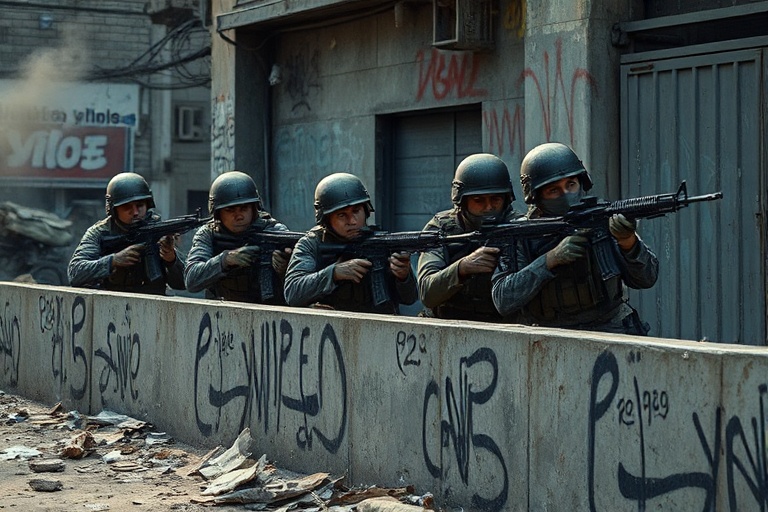
Exploring the Rise of Blindfire Games in Modern Gaming
Understanding the Blindfire Game Phenomenon
The blindfire game has emerged as a captivating trend within the gaming community. This unique genre challenges players to engage with mechanics that require skill, strategy, and a touch of luck. Players often find themselves immersed in environments where traditional aiming is abandoned in favor of instinctive shooting. This article explores the intricacies of blindfire games, their appeal, and the broader implications they hold for the gaming industry.
The Mechanics of Blindfire Gameplay
At its core, blindfire gameplay revolves around shooting without the benefit of traditional aiming techniques. This can occur in various formats, from first-person shooters to third-person action games. The mechanics often include:
- Instinctual Shooting: Players shoot from cover or while moving without a precise aim.
- Dynamic Environments: Game settings that encourage spontaneous and reactive shooting.
- Strategic Positioning: Players must choose their locations wisely to maximize their effectiveness.
- Risk vs. Reward: Engaging in blindfire can lead to both triumph and failure, depending on player choices.
This blend of mechanics creates a unique gaming experience. Players are often forced to rely on reflexes and quick decision-making, making every encounter a test of skill and adaptability.
The Appeal of Blindfire Games
Blindfire games have gained traction for several reasons. The thrill of unpredictability adds an exhilarating layer to gameplay. Players are often drawn to the challenge of engaging in combat without the confines of traditional aiming. This can lead to a more immersive experience, as the absence of a targeting reticle encourages players to fully engage with their surroundings.
Moreover, blindfire mechanics can level the playing field, making it accessible for casual gamers while still offering depth for seasoned players. This inclusivity fosters a diverse gaming community, where skill levels can vary widely. The emphasis on instinct and reflexes can also appeal to those who enjoy fast-paced action and quick decision-making.
Broader Implications for the Gaming Industry
The rise of blindfire games may signal a shift in how developers approach game design. As players increasingly seek immersive experiences that challenge traditional mechanics, developers may prioritize innovation in gameplay. This could lead to:
- Increased Experimentation: Developers might explore unconventional mechanics that diverge from established norms.
- Focus on Player Engagement: Games that prioritize player interaction with the environment may become more prevalent.
- Emerging Genres: The blending of blindfire mechanics with other genres could birth new gameplay styles.
As the gaming landscape evolves, blindfire mechanics may influence not only gameplay but also narrative structures and player engagement strategies. Developers will need to adapt and innovate to keep pace with changing player preferences.
Conclusion
The blindfire game phenomenon encapsulates a shift towards instinctual and immersive gameplay. By challenging players to engage without traditional aiming, these games offer a fresh take on combat mechanics. The appeal of blindfire gameplay lies in its unpredictability and inclusivity, fostering a diverse community of gamers. As this trend continues to grow, it is likely to influence game design and player engagement strategies across the industry.
For those interested in exploring more about gaming trends, check out our Gaming and Trending categories for the latest insights and analysis.