Extreme Heat Warnings: A Global Crisis Demanding Action
Understanding the Science Behind Extreme Heat Warnings
Extreme heat warnings are not mere weather alerts—they represent a critical intersection of meteorology, public health, and environmental policy. When temperatures soar beyond historically dangerous thresholds, meteorological agencies issue these warnings to protect populations from life-threatening conditions. Heat warnings typically activate when temperatures or heat indices (a measure combining heat and humidity) are expected to reach levels that pose serious health risks over extended periods.
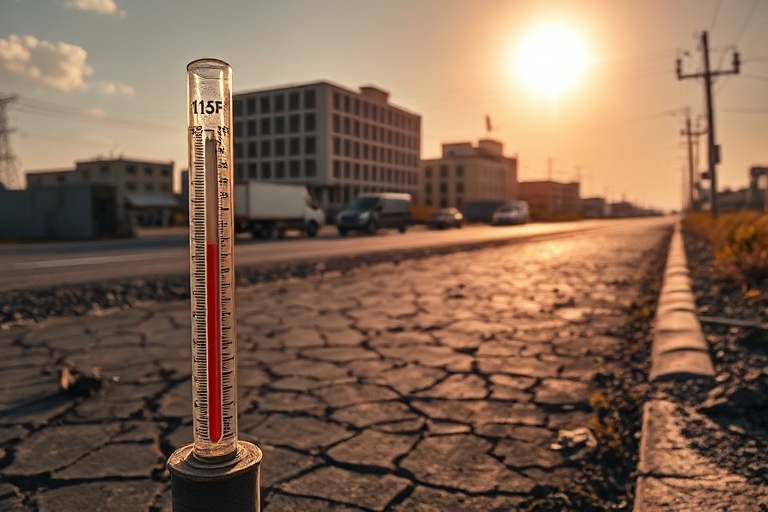
The thresholds for these warnings vary by region. In the United States, the National Weather Service issues excessive heat warnings when the heat index is forecasted to exceed 105°F for at least two consecutive days, or 110°F for any duration. Meanwhile, countries like India and Pakistan use local heat thresholds, often issuing warnings when temperatures surpass 115°F. This variability underscores how extreme heat is not a uniform global experience but a localized crisis shaped by geography, infrastructure, and human adaptation.
Climate change has intensified the frequency and severity of these warnings. According to the World Meteorological Organization, the number of people exposed to extreme heat has increased by approximately 125 million between 2000 and 2016. Rising global temperatures, driven by greenhouse gas emissions, have extended heatwaves beyond seasonal norms, turning what were once rare events into recurring threats. The consequences are stark: prolonged exposure to extreme heat exacerbates health conditions, strains energy grids, and disrupts economies.
Regional Responses to Heat Warnings: Lessons from Around the World
How different cultures and governments respond to extreme heat warnings reveals much about their priorities and preparedness. In Europe, where heatwaves have historically been less frequent, the 2003 heatwave that killed an estimated 70,000 people served as a wake-up call. France, in particular, implemented robust early warning systems, public cooling centers, and urban planning strategies to mitigate future risks. Today, cities like Paris use heat action plans that include targeted alerts for vulnerable populations, such as the elderly and outdoor workers.
In contrast, countries in the Middle East and South Asia have long adapted to extreme heat as a way of life. In Dubai, for instance, extreme heat warnings often coincide with reduced outdoor activities, increased reliance on air conditioning, and government advisories to avoid midday sun exposure. Similarly, in India, where heatwaves are a seasonal norm, local governments have experimented with low-cost solutions like distributing free water, painting roofs white to reflect sunlight, and adjusting school schedules to avoid peak heat hours.
Yet adaptation is not universal. In many developing nations, limited resources and infrastructure hinder effective responses. In parts of sub-Saharan Africa, extreme heat warnings often go unheeded due to lack of access to cooling technologies or public health education. The disparity highlights a global inequity: while wealthier nations can invest in resilience, poorer communities bear the brunt of climate-induced heat without adequate protection.
The Role of Urbanization in Amplifying Heat Risks
Cities are particularly vulnerable to extreme heat due to the “urban heat island” effect, where concrete, asphalt, and dense construction absorb and retain heat. This phenomenon can make urban areas up to 10°F hotter than their surrounding rural counterparts. The challenge is compounded in rapidly growing cities across Africa and Asia, where unplanned urbanization and inadequate green spaces exacerbate heat risks.
Some cities are turning to innovative solutions. Los Angeles’ “Cool Pavement” initiative, for example, involves coating streets with reflective materials to reduce surface temperatures. Meanwhile, Melbourne has prioritized urban greening, increasing tree canopy coverage to provide natural cooling. These efforts reflect a growing recognition that urban design must evolve to accommodate the realities of a warming planet.
However, not all solutions are scalable. High-tech interventions like smart cooling systems or AI-driven heat mapping require significant investment, leaving smaller municipalities at a disadvantage. The result is a patchwork of responses that often favors wealthier urban centers over marginalized communities.
Health Impacts: Who Is Most at Risk During Extreme Heat?
Extreme heat is a silent killer, claiming more lives annually than hurricanes, floods, or other natural disasters combined. Vulnerable populations—including the elderly, infants, outdoor workers, and individuals with preexisting health conditions—face the highest risks. Heat exhaustion and heatstroke can escalate rapidly, leading to organ failure or death if untreated.
The health impacts extend beyond immediate physical harm. Prolonged exposure to extreme heat worsens air quality by increasing ground-level ozone, which can trigger respiratory issues like asthma. It also strains healthcare systems, as hospitals see a surge in heat-related illnesses during heatwaves. In 2021, a record-breaking heatwave in the Pacific Northwest overwhelmed emergency rooms, with hospitals reporting a 50% increase in heat-related admissions.
Marginalized groups are disproportionately affected. Studies show that low-income neighborhoods, often lacking green spaces and reliable air conditioning, experience higher temperatures and greater health risks. In the United States, Black communities are 40% more likely to live in areas with the highest urban heat island intensity, according to research from the American Public Health Association. This disparity underscores the need for equitable heat mitigation strategies that prioritize at-risk populations.
Preparing for the Future: Policies and Personal Strategies
As extreme heat warnings become more frequent, governments and individuals must adopt proactive measures to mitigate risks. On a policy level, heat action plans are critical. The World Health Organization recommends a multi-pronged approach that includes early warning systems, public cooling centers, and heat health action plans tailored to local conditions. Cities like Ahmedabad in India have pioneered heat action plans that combine public awareness campaigns with targeted interventions for vulnerable groups.
For individuals, preparation starts with awareness. Monitoring local weather alerts, staying hydrated, and avoiding outdoor activities during peak heat hours are simple yet effective strategies. Wearing lightweight, breathable clothing and using fans or air conditioning can also reduce heat stress. However, these measures are only viable for those with access to resources—a stark reminder of the inequities embedded in heat resilience.
Community-driven solutions are equally important. Neighborhood cooling hubs, where residents can gather in air-conditioned spaces, have proven effective in cities like Philadelphia. Meanwhile, initiatives like “Heat Watch” programs, which train volunteers to identify and assist at-risk individuals, foster resilience at the grassroots level.
Corporate and Technological Innovations in Heat Mitigation
Businesses are also stepping up to address extreme heat challenges. Tech companies like Google and IBM are leveraging artificial intelligence to predict heatwaves and optimize energy use in cities. Google’s Environmental Insights Explorer, for instance, provides data-driven insights to help municipalities reduce urban heat island effects. Similarly, startups are developing portable cooling devices for outdoor workers, such as cooling vests embedded with phase-change materials.
In the sports and outdoor recreation industries, extreme heat has forced significant adaptations. The Sports world, in particular, has grappled with scheduling events during heatwaves, sometimes facing criticism for prioritizing competition over athlete safety. Major tournaments like the Australian Open have implemented extreme heat policies, including shade structures and medical timeouts, to protect players.
Yet technology alone cannot solve the crisis. Without systemic changes—such as reducing greenhouse gas emissions and investing in sustainable urban planning—innovations will only provide temporary relief. The challenge ahead is balancing short-term adaptation with long-term resilience.
Conclusion: A Call for Collective Action
Extreme heat warnings are no longer a seasonal anomaly; they are a persistent reminder of our changing climate. From the streets of Phoenix to the slums of Delhi, the impacts are felt differently but universally. Addressing this crisis requires more than warnings—it demands action. Governments must prioritize equitable heat mitigation strategies, businesses should innovate responsibly, and individuals must remain vigilant. The tools exist; what’s needed now is the collective will to use them.
The next time a heat warning flashes across your screen, remember: it’s not just a forecast. It’s a call to prepare, adapt, and advocate for a cooler, safer future.