Global Real Estate 2024: Trends, Challenges, and Opportunities
Global Real Estate Trends: A Shifting Landscape in 2024
The real estate market in 2024 reflects a patchwork of economic recovery, demographic shifts, and evolving buyer priorities. From the skyscrapers of Dubai to the historic brownstones of Brooklyn, property values are reacting differently depending on local factors such as interest rates, migration patterns, and government policies. This year, the market is not just about location anymore—it’s about adaptability, sustainability, and digital integration.
Inflation and central bank policies have played a significant role in shaping buyer behavior. In many Western markets, higher mortgage rates have cooled demand, particularly among first-time buyers. Meanwhile, emerging economies with younger populations and growing urbanization are seeing rapid development, creating opportunities for investors willing to look beyond traditional hubs. Understanding these contrasts is essential for anyone navigating today’s global property landscape.
The Urban Exodus and the Rise of Secondary Cities
One of the most defining trends of the past few years is the movement away from major metropolitan centers. Cities like New York, London, and Tokyo have long been magnets for investment and migration, but the pandemic accelerated a shift toward smaller cities, suburbs, and even rural areas. This trend isn’t fading in 2024—it’s evolving.
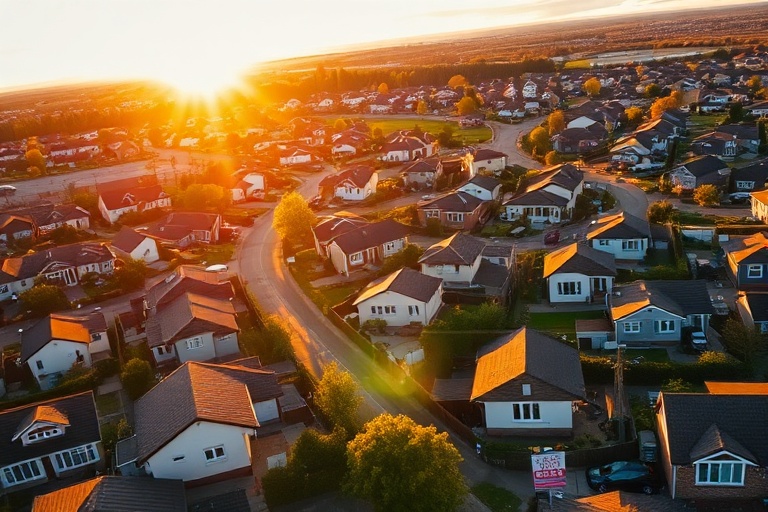
Secondary cities—places like Nashville, Portugal’s Porto, or Malaysia’s Penang—are now attracting remote workers, retirees, and digital nomads. These locations offer lower costs of living, vibrant cultural scenes, and improving infrastructure without the congestion and high prices of global capitals. Governments in places such as Canada and Australia have even introduced incentives like tax breaks and residency programs to lure newcomers.
This shift is not just about affordability. Quality of life has become a top priority. Buyers are prioritizing walkability, green spaces, and community over proximity to a downtown office. The result is a redefinition of what makes a city desirable—not just its economic output, but its livability.
Sustainability and Smart Homes: The New Luxury
Green building and energy efficiency are no longer niche preferences—they’re becoming standard expectations. In Europe, regulations like the EU’s Energy Performance Certificate are pushing developers to adopt sustainable materials and designs. In the United States, solar panels and smart thermostats are now common features in new constructions, especially in states like California and Florida.
This trend extends beyond new builds. Older properties are being retrofitted to meet modern energy standards, driven by both regulatory pressure and buyer demand. Properties with high energy ratings command premium prices, and in some markets, they sell faster than less efficient alternatives. The message is clear: sustainability is not just good for the planet—it’s good for the wallet.
Digital integration is another layer of this transformation. Smart homes—equipped with automated lighting, security systems, and AI-driven climate control—are increasingly seen as essential rather than extravagant. Buyers in markets from Singapore to São Paulo now expect properties to be connected and efficient. Developers who ignore this shift risk falling behind.
Investment Flows: Where Money Is Moving
Real estate remains a favored asset class, but the destinations for capital are shifting. While traditional markets like New York and London still attract global investors, there’s growing interest in secondary and tertiary markets where yields are higher and risks may be lower. Cities in Eastern Europe, Southeast Asia, and Latin America are seeing increased foreign investment, particularly in residential and mixed-use developments.
However, geopolitical factors continue to complicate these flows. Sanctions, trade tensions, and currency fluctuations can disrupt even the most promising markets. For example, Russian investors have increasingly looked to Dubai and Istanbul as alternatives, while Chinese buyers face stricter capital controls, prompting them to explore opportunities in Southeast Asia and Europe.
The rise of real estate crowdfunding and fractional ownership platforms has also democratized access to investment. Platforms like Fundrise and RealtyMogul allow individuals to invest in commercial and residential properties with smaller amounts of capital. This trend is particularly appealing in markets where traditional financing is expensive or inaccessible.
Challenges on the Horizon
Despite these opportunities, the market faces significant challenges. Rising construction costs, labor shortages, and supply chain disruptions continue to delay projects and inflate prices. In some regions, housing shortages are reaching crisis levels, particularly in affordable segments. Governments are under pressure to intervene, but solutions are slow to materialize.
Climate change is another growing concern. Coastal cities face rising sea levels, while wildfires and floods threaten property values in vulnerable regions. Insurance costs are rising, and in some cases, insurers are refusing to cover high-risk areas altogether. This is forcing buyers and investors to reassess long-term viability in certain locations.
Regulatory changes are also reshaping the landscape. Stricter zoning laws, rent control policies, and environmental mandates can dampen profitability and limit development. In cities like Berlin and Barcelona, rent control has led to a decline in new rental housing, exacerbating shortages. Meanwhile, countries like Portugal and Greece are tightening rules on short-term rentals to address housing affordability.
Looking Ahead: What Buyers and Investors Should Consider
For those navigating this complex market, flexibility and research are key. Whether you’re a first-time buyer, a seasoned investor, or a retiree looking for a new home, understanding local trends is essential. Here are a few considerations to keep in mind:
- Location, location, flexibility: While major cities still offer opportunities, secondary markets and emerging hubs are worth exploring. Consider factors like job growth, infrastructure, and quality of life—not just current prices.
- Sustainability as a filter: Properties with high energy efficiency ratings or green certifications are not only better for the environment—they’re likely to hold value better and attract future buyers.
- Digital readiness: Smart home features and reliable internet connectivity are no longer luxuries. They’re baseline expectations, especially for younger buyers and remote workers.
- Risk assessment: Geopolitical instability, climate risks, and regulatory changes can all impact your investment. Diversifying across markets and asset types can help mitigate these risks.
- Financing options: With traditional mortgages becoming more expensive in some markets, explore alternative financing models, such as rent-to-own agreements, shared equity, or crowdfunding platforms.
Real estate has always been a long-term game, but the rules of the game are changing. The market of 2024 rewards those who are adaptable, informed, and forward-thinking. Whether you’re buying a home, investing in rental properties, or exploring commercial real estate, the key is to look beyond the headlines and focus on the fundamentals that drive value in your chosen market.
For more insights into global investment trends, explore our coverage of Business and Finance. And if you’re curious about how these trends are playing out in specific regions, check out our deep dives into emerging markets and urban development.
The real estate market is not static—it’s a living, breathing ecosystem shaped by economic forces, cultural shifts, and technological advancements. Those who understand its complexities will be best positioned to thrive in the years ahead.